Embark on an unforgettable journey through conservation area and national parks with Nepal wildlife and cultural tour, beginning in the vibrant capital city of Kathmandu. Strolling Kathmandu reveals ancient temples, colorful markets, and bustling squares, immersing you in Nepalese culture. Discover UNESCO World Heritage Sites such as Pashupatinath temple and Durbar Square with rich history in detailed architecture and carvings.
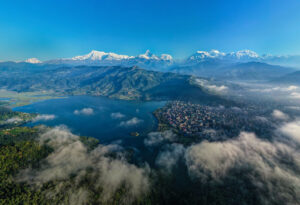
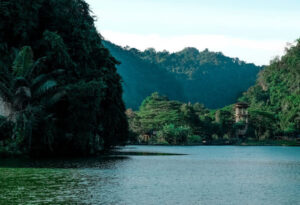
From Kathmandu, your adventure continues westward to the picturesque lakeside city of Pokhara. Pokhara, by the Annapurna range, delights adventure seekers and nature lovers. Indulge in boating, trekking, and enjoying mountain views at Phewa Lake. Next, journey to the charming village of Ghandruk, situated in the Annapurna Conservation Area. Experience Nepalese hospitality in local teahouses, immersing in Gurung cultural heritage. Hike scenic trails with terraced fields, dense forests, and snow-capped peaks views at every turn.
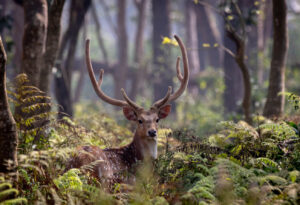
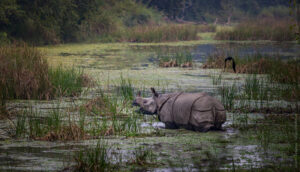
After soaking in the tranquility of Ghandruk, return to Pokhara for a brief respite before venturing south to the jungles of Chitwan National Park. Explore this UNESCO World Heritage Site on an elephant-back safari, spotting exotic wildlife such as rhinos, tigers, and elephants in their natural habitat. Canoe down the Rapti River, watching for rare birds and sunbathing crocodiles.
Finally, return to Kathmandu, where your journey comes full circle. Reflect on your adventures as you wander through the narrow streets of the city’s medieval core, savoring the sights, sounds, and smells of this vibrant cultural melting pot. Whether you’re marveling at ancient temples, sampling delicious Nepalese cuisine, or simply soaking in the atmosphere of this enchanting city, your trip to Kathmandu, Pokhara, Ghandruk, and Chitwan will leave you with memories to last a lifetime.

Nepal Wildlife and Cultural Tour Highlights
- Drive into Kathmandu’s cultural tapestry with visits to Boudhanath Stupa and Swayambhunath Temple.
- Witness the mesmerizing sunrise over the Annapurna range from Sarangkot.
- Cruise at Phewa Lake, explore Davis Falls, and visit the World Peace Pagoda in Pokhara.
- Experience the warmth of Ghandruk’s Gurung community, savor local cuisine, and learn about their traditions.
- Encounter the Bengal tiger and one-horned rhinoceroses on an adventurous safari in Chitwan National Park.
Best time for the Nepal Wildlife and Cultural Tour
The best time for the Nepal Wildlife and Cultural Tour is during the spring and autumn seasons in Nepal. These periods offer the most favorable weather conditions, clear skies, and optimal temperatures for the tour.
Spring Season (March to May)
Spring is one of Nepal’s most popular times for travel, including the Nepal Wildlife and Cultural Tour. During this season:
- Weather Conditions: The weather is generally mild and pleasant, with daytime temperatures ranging from 10°C to 30°C.
- Clear Views: The skies are often clear, providing stunning vistas of the Himalayan range, including Langtang Lirung, Ganesh Himal, Annapurna Range, Machapuchare (Fishtail Mountain), Dhaulagiri, Nilgiri, Manaslu etc.
- Crowds: Spring is a popular season for traveling in Nepal due to the pleasant weather and beautiful scenery. Therefore, expect heavy foot traffic on popular routes.
Autumn Season (September to November)
Autumn offers a rewarding tour experience in the Nepal Wildlife and Cultural Tour. During the season:
- Weather Conditions: The weather is quite pleasant and comfortable to visit, with daytime temperatures ranging from 10°C to 28°C.
- Clear Views: Autumn is known for its crisp air, providing excellent visibility of the surrounding landscapes and distant Himalayan peaks.
- Crowds: Autumn attracts many travelers to Nepal, so the Family Wildlife and Cultural Tour routes are busier than others.
Off-Season Considerations
Spring and autumn are ideal for Nepal Wildlife and Cultural Tour, yet some prefer off-season for a distinct experience. However, these periods come with challenges:
- Winter Season (December to February): Traveling in the winter provides a bright sky, superb visibility, and fewer crowds than in the fall and spring seasons. However, the cold may bring certain obstacles, such as freezing temperatures, particularly in the early morning and evening, shorter day limits, and ice and snow, which can disrupt transportation, particularly at higher elevations.
- Monsoon Season (June to August): The monsoon brings frequent and heavy rainfall, which can lead to flooding and landslides, disrupting travel plans.
Overall, spring and autumn offer the best combination of weather, views, and cultural experiences, making them the ideal times to travel on the Nepal Wildlife and Cultural Tour. If you’re planning a trip during the off-season, be prepared for additional challenges and always check weather forecasts and road conditions in advance.