Kagbeni-Muktinath Trek

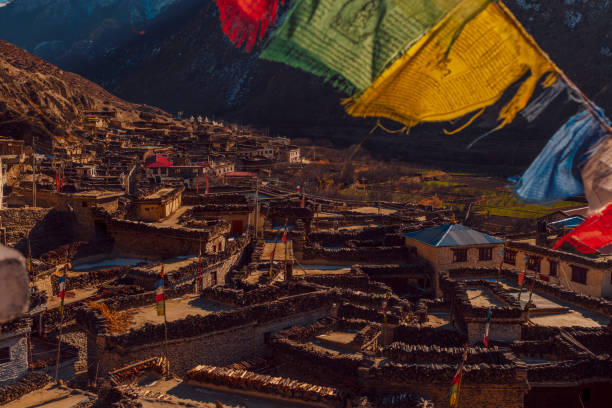
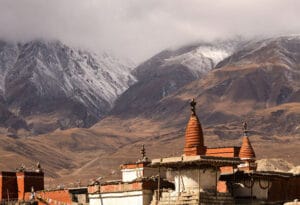
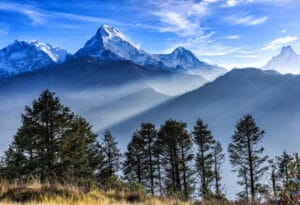
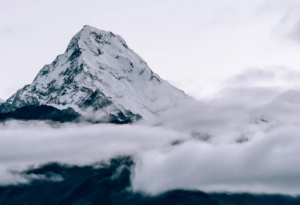
The Kagbeni-Muktinath trek is an enchanting journey through the stunning landscapes of the Annapurna Circuit in Nepal. Starting from the ancient village of Kagbeni, this trek takes you through the mystical region of Mustang, known for its rich Gurung and Thakali culture.

Good To Know

  • Duration 12 days
  • Activity Trekking
  • Difficulty Hard
  • Best Season Spring and Autumn
  • Max. Altitude 3800 m
  • Accommodation Star Hotel & Tea House
  • Meal Breakfast, Lunch, and Dinner
  • Trip Starts Kathmandu

Embark on the Kagbeni-Muktinath Trek for a captivating adventure through Nepal’s Mustang Region. This trek, which is part of the Annapurna Circuit, promises an unforgettable experience for both adventurers and nature lovers. Starting in Kagbeni, a charming village known for its traditional Tibetan architecture, you will gradually ascend through diverse terrains. Along the way, you’ll encounter breathtaking scenery that adds to the trek’s allure.

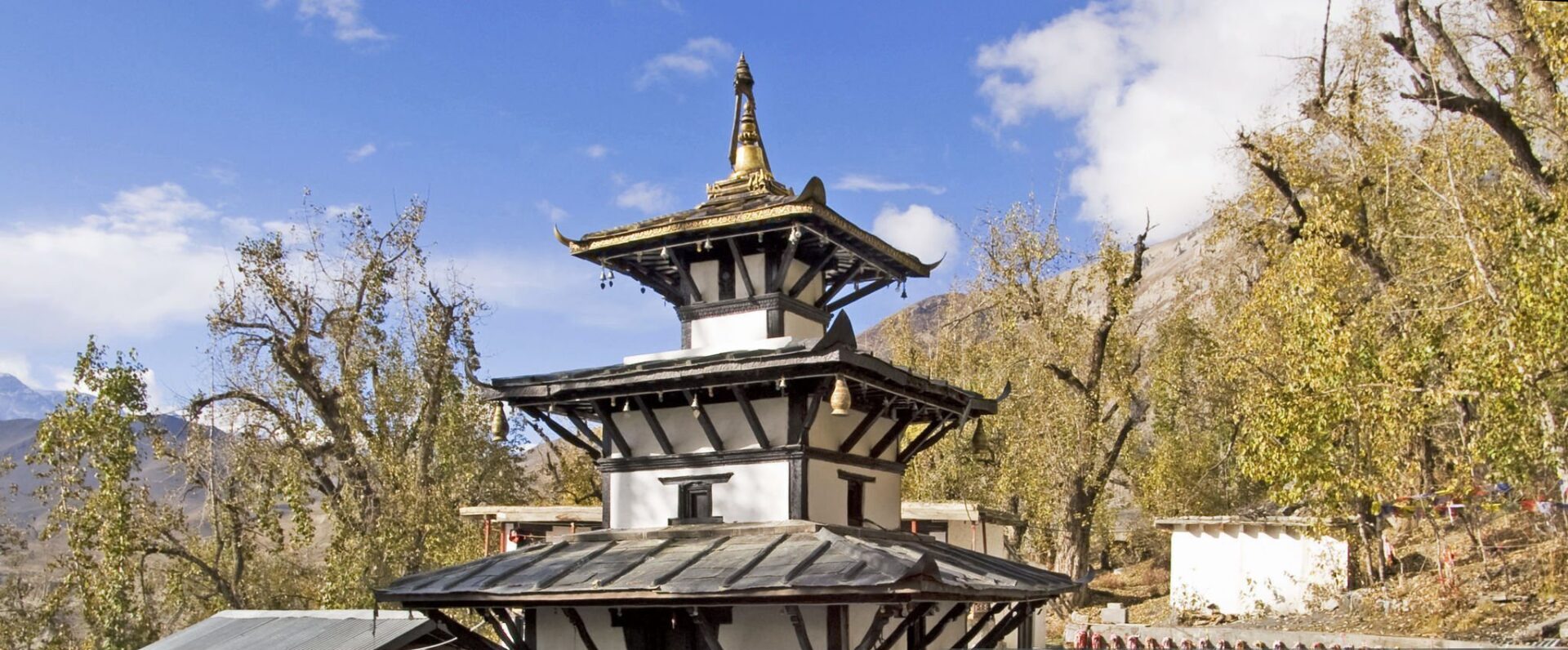
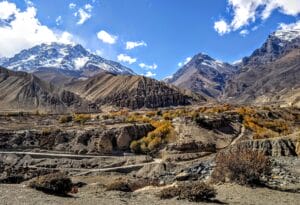
As you trek toward Muktinath, you’ll see some of the Himalayas’ most spectacular high-altitude landscapes. Muktinath, known for its significance as a Hindu pilgrimage site and its beautiful Buddhist temples, also boasts unique cultural heritage where ancient traditions and spiritual practices come to life.

The Kagbeni-Muktinath Trek is ideal for those seeking an adventure that blends natural beauty with cultural richness. Whether you’re a seasoned trekker or a first-time explorer, this journey offers a rewarding experience through some of Nepal’s most scenic and spiritually significant regions. This trek delivers a unique mix of stunning landscapes and rich cultural heritage. Ready to start your adventure? Contact us to plan your trek with expert guidance and support.

Kagbeni -Muktinath Trek Highlights

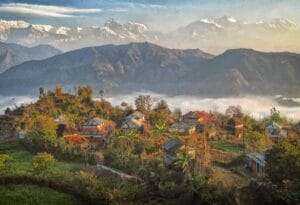
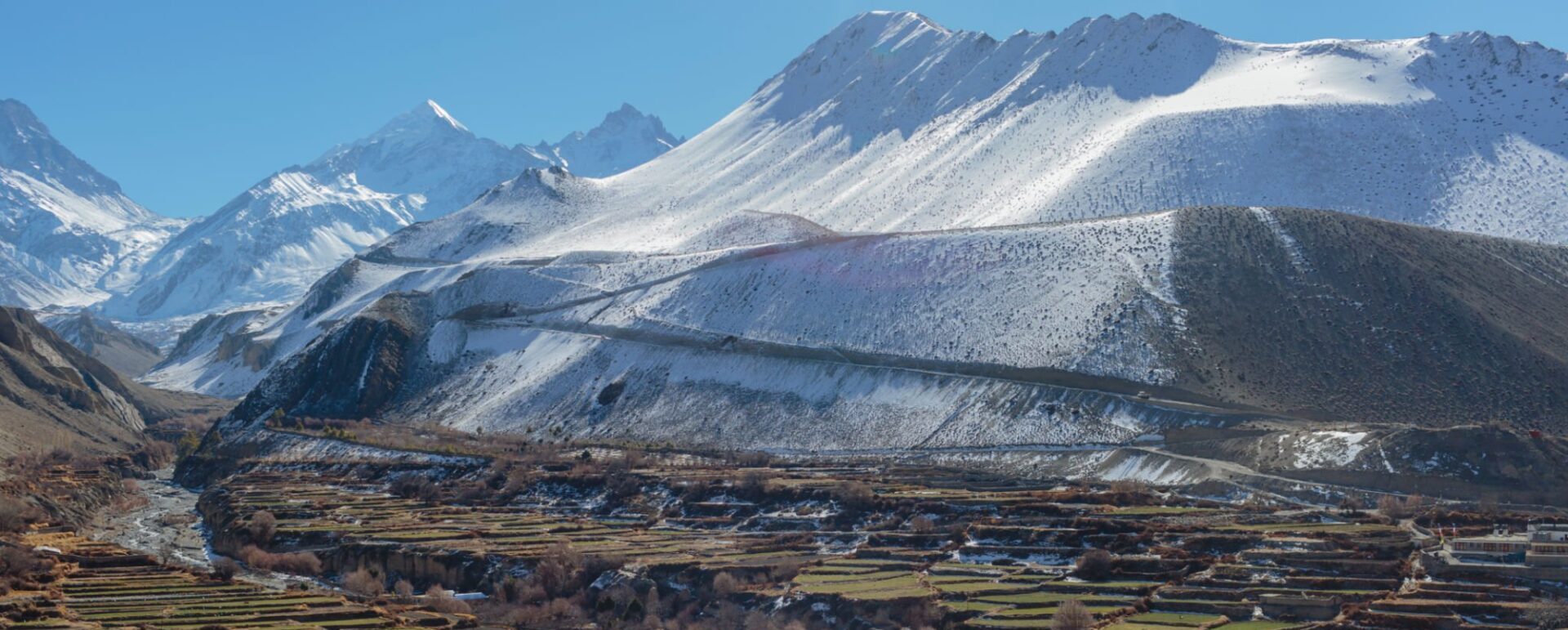
  • Witness stunning Himalayan views, arid deserts, and high-altitude valleys along the Kagbeni to Muktinath trek.
  • Immerse yourself in the vibrant culture of Khingar, Jharkot, and Jhong Villages, visiting ancient monasteries and Chortens.
  • Muktinath, revered by both Buddhists and Hindus, features a holy temple with 108 water taps, two ponds, and a serene ambiance with continuous fires.
  • Take a rewarding day trip from Kagbeni to Muktinath or explore alternative routes like Jharkot and Jhong.
Kagbeni-Muktinath

Best time for Kagbeni-Muktinath Trek

The best time to trek the Kagbeni-Muktinath is during the spring and autumn seasons in Nepal. These periods offer the most favorable weather conditions, clear skies, and optimal temperatures for trekking.

Spring Season (March to May)

Spring is one of the most popular times to trek in the Annapurna Region, which includes the Kagbeni-Muktinath Trek. During this season:

  • Weather Conditions: The weather is generally mild and pleasant, with daytime temperatures ranging from 10°C to 20°C at lower elevations, while higher elevations are cooler.
  • Clear Views: The skies are typically clear, providing stunning views of the surrounding mountains, including Annapurna I, Dhaulagiri, Nilgiri, Tilicho Peak, Thorung Peak, and Tukuche Peak.
  • Flora: The rhododendron forests are in full bloom, creating a vibrant landscape with colorful flowers and lush greenery.
  • Crowds: This is a popular trekking season, the Kagbeni-Muktinath trekking trail remains more crowded than other treks in the Annapurna Region.

Autumn Season (September to November)

Autumn is another ideal time to trek the Kagbeni-Muktinath. During this season:

  • Weather Conditions: The weather is stable with clear skies, low humidity, and pleasant temperatures, similar to spring. Daytime temperatures range from 10°C to 20°C at lower elevations, while it is cooler at higher altitudes.
  • Clear Views: Autumn is known for its crisp air, providing excellent visibility of the surrounding peaks and landscapes.
  • Festivals: This season aligns with major Nepali festivals like Dashain and Tihar, offering cultural insights and opportunities to experience local traditions.
  • Crowds: Autumn is the peak trekking season in Nepal, the Kagbeni-Muktinath Trek trail is more crowded compared to other treks.

Off-Season Considerations

While spring and autumn are the best time for the Kagbeni-Muktinath Trek, some trekkers prefer off-season trekking for a unique experience. However, these periods come with challenges:

  • Winter Season (December to February): Trekking in winter offers solitude and stunning snowy landscapes, but temperatures can drop significantly, especially at higher elevations. Trails might be icy, and some teahouses could be closed.
  • Monsoon Season (June to August): The monsoon brings heavy rain, making trails slippery and increasing the risk of landslides and leeches. The clouds and rain can also obstruct mountain views.

Spring and autumn offer the best weather, views, and cultural experiences for trekking the Kagbeni-Muktinath. Thus, these seasons are ideal for the trip. However, if you visit in the off-season, be prepared for additional challenges. Therefore, always check the weather forecasts and trail conditions beforehand.

Itinerary

  • Accommodation Star Hotel
  • Max Altitude 1400 m

Greetings and welcome to Nepal! This is a land of towering Himalayan peaks, lush greenery, rich cultural diversity, and stunning valleys. Upon your arrival at the airport, a representative from the Kalpa Holidays will meet you, aligning with your flight schedule, and they will assist in transferring you to your hotel. After you’ve checked in, a brief overview of your upcoming trip will be provided. If you wish to explore the city on foot, feel free to inquire with your guide, who will do their best to organize a suitable walking excursion based on your arrival time.

  • Accommodation Star Hotel
  • Max Altitude 822 m
  • Meal Breakfast

We have two options to reach Pokhara. A flight from Kathmandu takes about 25-30 minutes, offering stunning views of the Himalayas and rivers like Trishuli, Marsyangdi, and Madi. We’ll handle all arrangements for a hassle-free trip. Alternatively, we can take an 8-hour car/jeep ride along the scenic Prithivi Highway, with stops for meals and breaks, passing rivers, forests, fields, villages, and towns. If we fly, we’ll have time to explore Pokhara Valley and enjoy activities like boating on Phewa Lake. If we drive, we’ll arrive in the evening, with time to explore Lakeside, witness the Sandhya Aarati ceremony, and shop for trekking essentials. Our overnight stay will be in the Lakeside area.

  • Accommodation Tea House
  • Max Altitude 2804 m
  • Meal Breakfast, Lunch, and Dinner

Today we will fly from Pokhara to Jomsom, which takes approximately 20 minutes and offers stunning views of the Annapurna Region. Upon landing, we will have lunch at Jomsom and head towards Kagbeni, which takes around 4 to 5 hours, passing through a diverse landscape, charming villages, and glimpses of the Kali Gandaki River. Kagbeni is a medieval village with ancient monasteries against the Nilgiri and Dhaulagiri mountains, where we will spend a night at a comfortable tea house.

  • Accommodation Tea House
  • Max Altitude 3800 m
  • Meal Breakfast, Lunch, and Dinner

The trekking journey from Kagbeni to Muktinath Temple passes through beautiful landscapes, offering breathtaking views of the Annapurna and Dhaulagiri ranges. We will start a trek from the lovely village of Kagbeni; the trail descends gradually to Syange from Bahundada, and we will see a large waterfall. After a few hours, we will cross the Marsyangdi River through the suspension bridge, then follow the river to the stone village of Jagat. We will reach Muktinath after 6 to 7 hours of trekking. Overnight, we will stay at a comfortable lodge in Muktinath.

  • Accommodation Tea House
  • Max Altitude 2566 m
  • Meal Breakfast, Lunch, and Dinner

Today we will descend through the Kali Gandaki Valley to Marpha. Marpha is known for its apple farm and whitewashed houses. After 5 to 6 hours of trekking, we will reach Marpha.

  • Accommodation Tea House
  • Max Altitude 2000 m
  • Meal Breakfast, Lunch, and Dinner

After breakfast, we will trek from Marpha to Ghasa. This trek is moderately challenging and takes 6 to 7 hours. As we leave Marpha, the trail ascends through juniper and rhododendron forests, with views of Nilgiri and Annapurna South. Along the way, we will discover Gurung villages, yak pastures, and teahouses. After an hour of trekking, we will reach Ghasa. Overnight, we will spend a night in a comfortable tea house.

  • Accommodation Tea House
  • Max Altitude 1190 m
  • Meal Breakfast, Lunch, and Dinner

Today we will say farewell to the beautiful village of Ghasa and embark on Tatopani, known for its hot springs. After 3 to 4 hours of descent, we will reach Tatopani. Throughout the journey, we will pass through dense forests and captivating landscapes. We will spend a night at a comfortable tea house.

  • Accommodation Tea House
  • Max Altitude 2874 m
  • Meal Breakfast, Lunch, and Dinner

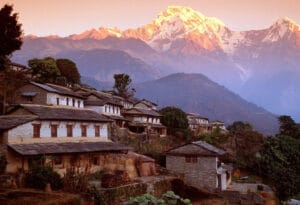
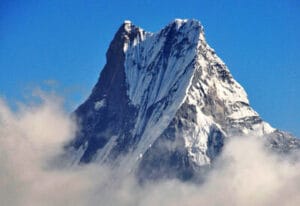
This is day 8 of our Kgabeni-Muktinath Trek. It takes 4 to 5 hours to reach Ghorepani. As we descend, we will pass through rhododendron forests, traditional villages, and terraced fields, providing a glimpse of the rural life of the Annapurna Region. This trek also offers breathtaking views of the Himalayas, such as Dhaulagiri, Anapurna South, Machhapuchhre, Nilgiri, etc. Overnight, we will spend a night at a comfortable tea house.

  • Accommodation Tea House
  • Max Altitude 3210 m
  • Meal Breakfast, Lunch, and Dinner

Today, early in the morning, we will have breakfast and begin an hour of hiking to Poon Hill, located at 3195 meters. After a 4 to 5-hour climb, we will reach Poon Hill, where we will spend about 45 minutes on the hillside, taking pictures and videos, before descending back to Ghorepani. Spend a night in Ghorepani at a comfortable tea house.

  • Accommodation Star Hotel
  • Max Altitude 1070 m
  • Meal Breakfast, Lunch, and Dinner

Today we will trek from Ghorepani to Nayapul, which will take about 5 to 6 hours. The trail passes through rhododendron forests and beautiful Gurung villages. Upon reaching Nayapul, we will have lunch and drive back to Pokhara. Overnight, we will spend a night at a tea house.

  • Accommodation Star Hotel
  • Max Altitude 1400 m
  • Meal Breakfast

After enjoying breakfast in the morning, we’ll start our journey back to Kathmandu. Our return trip offers the same two options as your journey from Kathmandu to Pokhara. Upon arrival, you will be transported to your hotel for an overnight stay.

With the remaining time, you can explore the exquisite Kathmandu Durbar Square or other culturally significant sites within the city, which boast a wealth of heritage. Your night will be spent in Kathmandu.

  • Max Altitude 1400 m
  • Meal Breakfast

As our wonderful Kagbeni-Muktinath Trek in Nepal concludes, we’ll arrange for your transfer to the airport, ensuring you arrive approximately 3 hours before your flight. It has been our privilege to be a part of your enriching cultural and natural journey, and we look forward to the opportunity to serve you again in the future.

Inclusions

What’s Included

  • Airport Transfers: Arrival and departure transfers to and from Kathmandu’s Tribhuvan International Airport.
  • Accommodation: Accommodation in standard hotels in Kathmandu and Pokhara with breakfast included. Lodging in teahouses or trekking lodges during the trek.
  • Transportation: All necessary transportation during the trek, including the drive from Kathmandu to Pokhara and Nayapool.
  • Domestic Flights (optional): If you choose to fly from Kathmandu to Pokhara, the cost of the flight is included in the package.
  • Meals: All meals (breakfast, lunch, and dinner) during the trek. Meals are typically from a set menu at the teahouses.
  • Experienced Guide: An experienced trekking guide with a good knowledge of the local culture, history, and trekking routes.
  • Porters: Porters to carry your main luggage (up to 10-15 kg per person) during the trek, allowing you to hike with a lighter daypack.
  • Trekking Permits: All necessary trekking permits, including the Annapurna Conservation Area Permit (ACAP) and Trekkers’ Information Management System (TIMS) card.
  • Hot Springs: Entry to the natural hot springs in Jhinu Danda.
  • First Aid: Basic first aid kit and emergency oxygen supply.

What’s Excluded

  • International Flights: The cost of international flights to and from Nepal is not included in the package.
  • Nepal Visa: The cost of obtaining a tourist visa for Nepal upon arrival at the airport is not included.
  • Travel Insurance: It is highly recommended to have travel insurance that covers trekking activities, medical emergencies, and evacuation.
  • Meals in Kathmandu and Pokhara: Lunch and dinner in Kathmandu and Pokhara are not included in the package.
  • Personal Expenses: Expenses such as additional snacks, beverages, souvenirs, and tips for guides and porters are not included.
  • Additional Activities: Any optional activities, such as paragliding or extra sightseeing in Kathmandu or Pokhara, are not included.
  • Sleeping Bag and Trekking Gear: You may need to rent or purchase trekking gear and a sleeping bag if you do not have your own.
  • Extra Nights: Any additional nights of accommodation in Kathmandu or Pokhara outside the trek itinerary are not included.
  • Extra Costs Due to Delays: Costs incurred due to flight delays, road closures, or other unforeseen circumstances are not covered.
  • Personal Medications: Any personal medications or medical expenses are not included.

Essential Info

Essential Accessories:

Packing for trekking in nepal

Essential Information:

Altitude Sickness Information

Altitude sickness, also known as Acute Mountain Sickness (AMS), can occur when ascending to higher altitudes too rapidly.

Symptoms include headache, nausea, dizziness, fatigue, and shortness of breath.

We prioritize your safety: our guides are trained to monitor symptoms, and our itineraries allow for proper acclimatization.

Fitness & Experience Required
  1. The Mardi Himal Trek is graded as moderate to strenuous.
  2. Good physical fitness is crucial. Regular cardiovascular exercises are recommended for optimal preparation.
  3. While prior trekking experience is beneficial, many trekkers with determination and fitness successfully complete the trek with us.
Visas & International Flights
  1. Upon arrival in Kathmandu, most nationalities can obtain a Nepalese visa.
  2. Ensure your passport is valid for at least six months from your travel dates.
  3. Anyone from anywhere in the world can reach Nepal using various modes of transportation, including air and land. Waterways, although the last option is less common due to Nepal being a landlocked country.
  4. Visa and Immigration: Upon arrival at TIA, travelers are required to go through immigration procedures. Depending on your nationality, you might need a visa to enter Nepal. Some nationalities can obtain a visa on arrival. Also if you do not want any hassle in the airport then you can also apply before your arrival online from https://nepaliport.immigration.gov.np/online
  5. Customs: After clearing immigration, travelers proceed to the customs area. It’s important to declare any items that need to be declared and adhere to the customs regulations of Nepal.
  6. By Air: Tribhuvan International Airport (TIA) in Kathmandu is the main international airport in Nepal, in the near future two more international Airports; Pokhara International Airport and Gautam Buddha International Airport will also be at your service. Make sure to inquire before your travel date. It serves as the primary gateway for travelers from around the world.

Here’s how reaching Nepal by air typically works:

  • Flights: Various international airlines operate flights to Tribhuvan International Airport (TIA) from major cities across the globe. These flights connect major hubs like Dubai, Doha, Delhi, Bangkok, Singapore, Kuala Lumpur, Istanbul, and more to Kathmandu. Travelers can book direct flights or connect through one of these hubs.
  • Our team can assist in arranging international flights to and from Tribhuvan International Airport (TIA) in Kathmandu.
Medical Information
  1. We strongly recommend a pre-trek health checkup with your doctor.
  2. Discuss any pre-existing medical conditions and medications you may be taking.
  3. Carry necessary prescriptions and medications during the trek.
  4. Safety standards in Nepal are not always equal to what you might be used to in your home country. Stomach issues that often bother travelers in this part of the world can cause dehydration. Rehydration treatment sachets may count as the most important part of your first aid kit when trekking or hiking through places like Nepal.
  5. It would also be a great idea to carry mosquito and insect repellents to safeguard against possible insect bites, rashes, or allergies. However, risks are minimal during winter, even in national parks and other areas with hot/humid climates. Still, being well-prepared is always the best option.
  6. The air quality in urban areas can be very poor due to carbon emissions. In suburbs or rural areas too, dusty roads can lead to poor air quality at times. Wearing a mask in such areas and while in local markets is a good way to safeguard from breathing difficulties and possible illness.

Should there be any necessity, our team is capable to get you the necessary medical attention, including first aid and further assistance. The areas we go through are well facilitated with adequate drug stores, pharmacies, and even private clinics and hospitals. General service hours are as follows:

Drug Stores and Pharmacies   : 09:00 hrs – 17:00 hrs

Government Health Clinics    : 09:00 hrs – 17:00 hrs

Private Health Clinics             : 09:00 hrs – 17:00 hrs

Major Private Health Clinics : 09:00 hrs – 17:00 hrs

Government Hospitals            : 24 hrs (including emergency services)

Private Hospitals                     : 24 hrs (including emergency and rescue services)

Travel Insurance
  1. Comprehensive travel insurance covering trekking at high altitudes is mandatory.
  2. Travel insurance is a crucial safeguard for travelers. It provides protection against unforeseen events like trip cancellations, delays or interruptions, medical emergencies, emergency evacuation, lost luggage, and more.
  3. It is essential to choose a policy that suits your needs. Understand coverage, and be aware of exclusions.
  4. Travel insurance can be purchased for single or multiple trips and should be an integral part of your travel planning for a worry-free journey.
  5. Our trekking insurance partners offer policies that include emergency evacuation and cover all potential trek-related risks.
Trekking Crews

The Himalayan Trek ensures that our guides are well-qualified and experienced. Guides typically undergo training that includes:

  1. First aid and wilderness medical training.
  2. Navigation and map reading.
  3. Altitude sickness recognition and management.
  4. Emergency response and evacuation procedures.
  5. Cultural sensitivity and local customs.

Our porters are well-trained and carry your main luggage, allowing you to hike comfortably.

Currency Exchange
  1. The local currency is Nepalese Rupees (NPR).
  2. Currency exchange services are widely available in Nepal, especially in major cities and tourist areas. You can exchange foreign currency at banks, exchange offices, and even some hotels.
  3. Exchange rates can vary, so it is recommended to shop around for the best rates before making a transaction.
  4. It is also important to note that using credit and debit cards is becoming more common, especially in urban areas.
Weather Condition
  1. Weather conditions vary based on altitude and time of year.
  2. Lower altitudes experience warm days and cold nights, while higher altitudes can be considerably colder.
  3. Be prepared for sudden weather changes, especially in higher regions.
Food and Nutrition Care
  1. While trekking, we provide meals and care for your nutritional needs. The main local dish for lunch or dinner is Daal Bhat – rice and lentils served with various curries. Breakfasts can vary depending on trip routes and regions.
  2. As you ascend to higher altitudes, food prices may increase due to the challenges of transportation. Special meals to try on this trek include Gurung Bread – a deep-fried bread, and Rosti – a hearty potato cake. You can order Rosti with two eggs on top for a filling meal.
  3. We strongly encourage minimizing the use of plastic during the trek. This includes using boiled water and carrying a refillable water bottle instead of buying water in disposable plastic bottles.
Accommodation
  1. Nepal offers a wide range of accommodations to cater to the needs of various travelers. From budget options for backpackers to luxurious hotels for those seeking a splendor indulgence, Nepal has something to offer for everyone.
  2. Accommodation options range from basic to comfortable lodges and tea houses along the route. Rooms are typically twin-sharing with basic amenities.
  3. Given the limited availability, our team ensures advance bookings for your comfort.
  4. It is important to note that accommodation options and standards can vary significantly depending on the location and remoteness of the area. Before traveling to Nepal, it is recommended to research and book accommodations in advance, especially during peak tourist seasons, to ensure a comfortable and enjoyable stay.
Vehicle
  1. Domestic flights from Kathmandu to airport nearest to your trekking route or region are the common mode of transport to start the trek.
  2. Local transportation might include occasional use of four-wheeler, local shuttle-busses, mules, yaks, etc. for shorter or easier transfers.
Communication Access
  1. Mobile network coverage is limited in remote areas along the trekking route.
  2. Wi-Fi and charging facilities are available at selected lodges for a nominal fee.
  3. Carry a portable charger or power bank to recharge devices.
  4. Charging facilities are offered at lodges for a fee to keep your devices powered.
Safety & Security
  1. Your safety is the top-most priority for us. We ensure that our trekking team is equipped with necessary gear, equipment, and comprehensive first-aid kits.
  2. Our experienced leaders and guides possess extensive knowledge and are trained in first-aid to handle any health emergencies that may arise. If a trekker falls ill due to altitude, they can decide whether to continue or descend, with their well-being as the primary concern.
  3. Always follow their guidance for safety protocols and route adjustments.
  4. Staying hydrated, well-rested and attentive, contributes to a secure trekking experience.
  5. In case of emergencies, we have access to rescue helicopters for evacuations.
Extra Personal Cash
  1. We recommend that all our clients carry personal spending money to cover visa fees, insurance, beverages, snacks, other incidental spending, and souvenirs.
Group or Single Trip
  1. Choose between group treks with set departure dates or opt for a private trip tailored to your preferences.
  2. Group treks provide the opportunity to bond with fellow trekkers and share experiences while private treks ensure that you get more time and ease that suit your requirements the best
Responsible Travel
  1. We emphasize responsible travel, respecting local culture, people, traditions, and the environment.
  2. Minimize waste, avoid single-use plastics, and adhere to Leave No Trace principles.
Trip Extensions
  1. Extend your adventure with cultural tours in Kathmandu or explore other trekking routes in Nepal.
  2. Take advantage of your free time with activities such as city sightseeing, jungle safaris, paragliding, white-water rafting, or others that are popular and exciting near your trek regions.
  3. Adding sub-destinations of interest is also an option.
Secure Payment Mode
  1. In Nepal, secure payment methods are essential for safe and reliable financial transactions, especially in the travel and trekking context. Travelers have various options for secure payments, including cash, credit and debit cards, mobile payment apps, swift bank transfers, online payment portals, and cash-on-delivery.
  2. Bank transfers are suitable for more extensive transactions, and online payment portals are offered by Kalpa Holidays. Mobile payment apps is available for online payments, and swift bank transfers can be used for international money transfers.
  3. Always exercise caution and use reputable businesses to avoid fraud and scams. Keep transaction records and receipts for security. Before traveling to Nepal, check with your bank to ensure your cards are suitable for international use and inform them of your travel plans to prevent card blocks.

Trips notes:

This trip is ideal for those who want to witness the beauty of the mountains and explore typical Nepalese villages, locals, and how they live a traditional life in the Himalayas.

This trek consists of the following categories of activities:

Nature Trails

This trek will take you through remote areas and nearby forests filled with trees, native flora, and even wildlife. Changes in topography, physical activity, height, temperature, and air quality can all be found on this type of trails. You will be able to become accustomed to all of these things on this particular trail at a steady and comfortable pace.

Village Trails

Village excursions are usually enjoyable since you may observe and learn about the way of life of the locals. Even though one of the reasons people travel is to experience other cultures, some of these differences may come as a surprise to many people given the drastic changes even in basic aspects like food, hygiene, socio-cultural aspects, and communal ethics and manners. The trail crosses through semi-rural and rural communities, enabling you to adjust to these variations tolerably.

Panoramic Trails

On various parts of the route, panoramic trails frequently include community paths and nature trails. Destinations or paths as such need to be situated atop hills or forests in order to provide the best viewpoint of the surrounding beauties and one that is panoramic. As a result, these pathways will lead you to higher locations with fewer people and more natural scenery. The likelihood of seeing nicer panoramas grows along with height, as does the difficulty. The air is constantly thinner and more difficult to reach higher altitudes. However, this trail allows you to feel these things gradually because the terrain is not as challenging and the endpoint, despite being higher up, is easily accessible.

Cultural and heritage trails

Nepal offers an infinite number of wonders to be amazed at within the limited confines of geographical boundaries. The Himalayas, glistening lakes, incredible biodiversity, and the great range of cultural practices make Nepal an ideal destination for all kinds of tourists. While the Himalayas are unquestionably the main attraction of vacations to Nepal, the beauty of the nation’s culture comes to a close second. Nepal is home to a surprising variety of ethnic groups, each of which has its own culture, language, customs, and social mores. Trekking along cultural and heritage trails is a means to explore the country’s cultural characteristics, which mix beautiful natural scenery with age-old customs.
FAQs

The Kagbeni to Muktinath Trek is a popular trekking route in the Annapurna region of Nepal. It takes you through picturesque landscapes, traditional villages, and eventually to the sacred Muktinath Temple.

The best time for the Kagbeni to Muktinath Trek is during the spring (March to May) and autumn (September to November) seasons when the weather is favorable with clear skies and moderate temperatures.

The hike is regarded as having a moderate level of difficulty. While it doesn't require advanced technical skills, some sections involve uphill and downhill walking, making it suitable for trekkers with a reasonable level of fitness.

Accommodation options vary from teahouses to basic lodges in the villages. These places provide simple yet comfortable lodging with communal dining areas.

Yes, hiring a local guide and/or porter is recommended for those unfamiliar with the region. It enhances the overall trekking experience and helps with navigation and carrying heavy loads.

Packing essentials include comfortable trekking boots, warm clothing, a hat, gloves, a good-quality backpack, a sleeping bag, and a first aid kit. It's advisable to pack layers, as weather conditions can change rapidly.

ATMs are not readily available along the trekking route, so it's essential to carry enough cash (Nepali Rupees) to cover your expenses during the trek.

While some parts of the trek route may have mobile network coverage, it's advisable to be prepared for intermittent or no signal in certain remote areas.

Given the lower altitude of this trek, the likelihood of experiencing altitude sickness is minimal, though there is a possibility of Acute Mountain Sickness. If you have a history of altitude sickness, it is advisable to carry altitude sickness medication at all times during your Jomsom Muktinath Trek. To mitigate the risk of Acute Mountain Sickness, consider the following precautions:
1. Avoid rapidly gaining altitude.
2. Reduce your walking speed and limit walking hours above 2000 meters.
3. Stay hydrated by drinking plenty of water to help prevent altitude sickness.
4. Ensure proper acclimatization by incorporating rest stops into your trek.
5. Opt for a balanced diet without meat to aid in altitude sickness prevention.
6. Refrain from consuming alcoholic beverages or smoking during the trek.

No prior trekking experience is necessary for this trek. While having previous experience can assist you in adapting to the trek's pace more effortlessly, it is not a challenging expedition that demands professional training or prior familiarity, provided you adequately prepare yourself mentally and physically. If you are a novice, it is advisable to enlist the services of a professional guide and a porter to facilitate your journey.

Yes, trekkers need to obtain the Annapurna Conservation Area Permit (ACAP) and the Trekkers' Information Management System (TIMS) card before starting the trek.