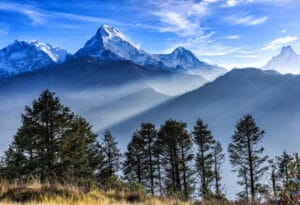
Annapurna Circuit with Tilicho Lake Trek

Good To Know

  • Duration 15 days
  • Activity Trekking
  • Difficulty Strenuous
  • Best Season Spring and Autumn
  • Max. Altitude 4919 m
  • Accommodation Star Hotel and Tea House
  • Meal Breakfast, Lunch, and Dinner
  • Trip Starts Kathmandu

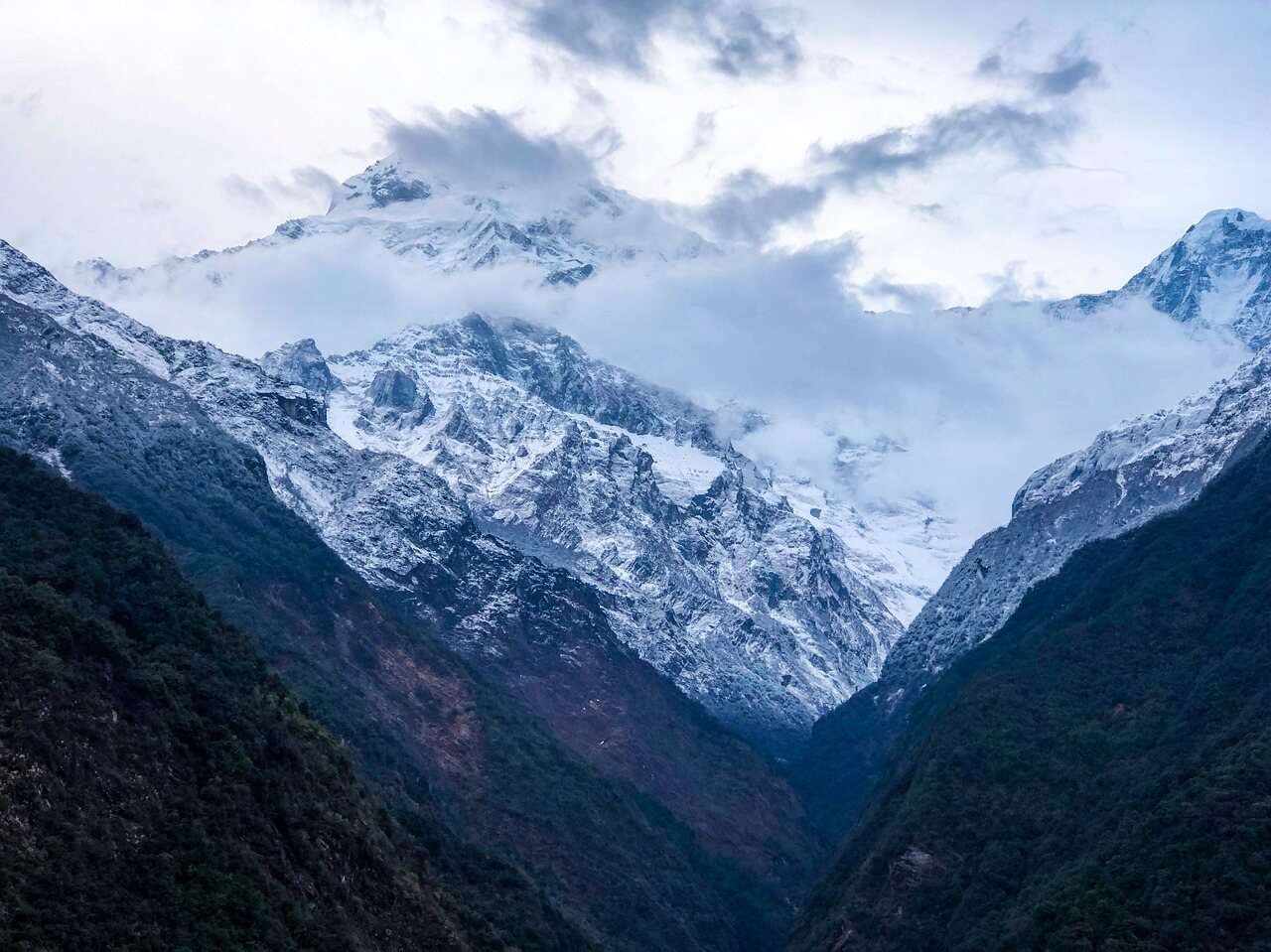
Embark on the Annapurna Circuit with Tilicho Lake Trek in the heart of Nepal’s Himalayas. This journey combines the classic Annapurna Circuit with a visit to Tilicho Lake, one of the world’s highest lakes. Starting from Besisahar, you’ll traverse diverse landscapes, from lush forests to high-altitude deserts, all within the Annapurna Conservation Area. Key stops include the charming villages of Manang and Pisang, where you can experience Nepalese culture and hospitality.

As you ascend, you’ll eventually pass through the challenging Thorong La Pass at 5,416 meters, offering breathtaking views of the Annapurna Massif. Additionally, the trek includes a detour to Tilicho Base Camp, which leads to the serene Tilicho Lake, surrounded by towering peaks. For this high-altitude adventure, you’ll also need an ACAP (Annapurna Conservation Area Permit) and a TIMS (Trekkers’ Information Management System) card, which we will prepare for you in advance.

Moreover, you’ll stay in local tea houses and lodges, enjoying both scenic views and cultural experiences. From the spiritual site of Muktinath to the bustling town of Jomsom in the Kali Gandaki Valley, this trek, therefore, promises an unforgettable experience in the heart of the Himalayas.

To experience this extraordinary adventure, explore our detailed travel packages and start planning your trek with Kalpa Holidays. Let us help you navigate every step of this remarkable journey through Nepal’s stunning landscapes and rich cultural heritage.

 Annapurna Circuit with Tilicho Lake
Experience the adventure of a lifetime on the Annapurna Circuit with Tilicho Lake Trek! From diverse landscapes to the awe-inspiring Thorong La Pass, this trek offers a perfect mix of challenge and beauty.

Annapurna Circuit with Tilicho Lake Trek Highlights

  • Visit the world’s highest lake, Tilicho Lake.
  • Traverse through the picturesque valleys of Marsyangdi and Kali Gandaki Rivers.
  • Delight in close-up vistas of some of the world’s tallest peaks, including Annapurna and Dhaulagiri. 
  • Immerse yourself in the vibrant Tibetan Buddhist cultures found in Manang and Mustang.
  • Explore the serene Gangapurna Lake.

Best time for Annapurna Circuit With Tilicho Lake Trek

The best time to trek the Annapurna Circuit with Tilicho Lake Trek is during the spring and autumn seasons in Nepal. These periods offer the most favorable weather conditions, clear skies, and optimal temperatures for trekking.

Spring Season (March to May)

Spring is one of the most popular times to trek in the Annapurna Region, including the Annapurna Circuit With Tilicho Lake Trek. During this season:

  • Weather Conditions: The weather is mild and pleasant, with lower elevations reaching 10-20°C and higher elevations being cooler.
  • Clear Views: The clear skies offer views of mountains like Annapurna range, Dhaulagiri, and Machhapuichhre.
  • Flora: The rhododendron forests are in full bloom, creating a vibrant landscape with colorful flowers and lush greenery.
  • Crowds: During this peak trekking season, the Annapurna Circuit With Tilicho Lake trail is busier than other Annapurna treks.

Autumn Season (September to November)

Autumn is another ideal time to trek the Annapurna Circuit With Tilicho Lake Trek. During this season:

  • Weather Conditions: The weather is stable with clear skies, low humidity, and pleasant temperatures, similar to spring. Daytime temperatures range from 10°C to 20°C at lower elevations, while it is cooler at higher altitudes.
  • Clear Views: Autumn is known for its crisp air, providing excellent visibility of the surrounding peaks and landscapes.
  • Festivals: This season coincides with Nepali festivals like Dashain and Tihar, providing cultural insights and chances to experience local traditions.
  • Crowds: Autumn is the busiest trekking season. The Annapurna Circuit With Tilicho Lake Trek trail is particularly crowded.

Off-Season Considerations

While spring and autumn are the best time for the Annapurna Circuit With Tilicho Lake Trek, some trekkers prefer off-season trekking for a unique experience. However, these periods come with challenges:

  • Winter Season (December to February): Trekking in winter offers solitude and stunning snowy landscapes, but temperatures can drop significantly, especially at higher elevations. Trails might be icy, and some teahouses could be closed.
  • Monsoon Season (June to August): The monsoon brings heavy rain, making trails slippery and increasing the risk of landslides and leeches. The clouds and rain can also obstruct mountain views.

Overall, spring and autumn offer the best combination of weather, views, and cultural experiences, making them the ideal times to trek the Annapurna With Tilicho Lake. If you’re planning a trip during the off-season, be prepared for additional challenges and always check weather forecasts and trail conditions in advance.

Itinerary

  • Accommodation Star Hotel
  • Max Altitude 1400 m

Greetings and welcome to Nepal! This is a land of towering Himalayan peaks, lush greenery, rich cultural diversity, and stunning valleys. Upon your arrival at the airport, a representative from the Kalpa Holidays will meet you, aligning with your flight schedule, and they will assist in transferring you to your hotel. After you’ve checked in, a brief overview of your upcoming trip will be provided. If you wish to explore the city on foot, feel free to inquire with your guide, who will do their best to organize a suitable walking excursion based on your arrival time.

  • Accommodation Star Hotel
  • Max Altitude 1400 m
  • Meal Breakfast

Today we will drive from Kathmandu to Jagat, which takes approximately 8 to 9 hours. As we depart from Kathmandu, we will leave the urban area behind and enter a peaceful world. Our trek takes us through lush green valleys with breathtaking views of the Annapurna Range and towering Mt. Manaslu. Midway, we will stop for lunch in Besisahar, and after that, we will ascend narrow, winding mountain roads that lead you to our destination for the night, the picturesque village of Jagat. This marks the official beginning of our Annapurna Circuit adventure, and we settle into our tea house in Jagat.

  • Accommodation Tea House
  • Max Altitude 3200 m
  • Meal Breakfast, Lunch, and Dinner

After breakfast, we will drive from Jagat to Pisang, a 5 to 6-hour journey. Leaving the peaceful village of Jagat, located where the Marsyangdi and Modi Khola rivers meet, we will travel through beautiful landscapes featuring green valleys, waterfalls, and snowy peaks. On the way, we will pass the charming villages of Syange and Dharapani, set against stunning mountains.

Finally, we reach Pisang, split into Lower and Upper Pisang by the Marshyangdi River. We will cross a suspension bridge to reach Upper Pisang, at 3,300 meters high. Upper Pisang is known for its Tibetan prayer wheels, inviting you to join a local tradition. From here, we will start our trek tomorrow, getting ready for the Annapurna Circuit and higher altitudes.

  • Accommodation Tea House
  • Max Altitude 3540 m
  • Meal Breakfast, Lunch, and Dinner

Today starting from Pisang, we’ll trek northwest along the Marsyangdi valley towards Tilicho Lake. Along the way, enjoy views of Annapurna II and III. Pass through villages like Ghyaru, Ngawal, Humde, and Bhraga, known for Tibetan culture and scenic beauty. Stop at Nyawal to explore the Guru Rinpoche Cave. Manang, at 3,450 meters, is our resting place for three nights to acclimatize before continuing our journey through this breathtaking region.

  • Accommodation Tea House
  • Max Altitude 3540 m
  • Meal Breakfast, Lunch, and Dinner

Today in Manang is your crucial acclimatization day on the Annapurna Circuit with Tilicho Lake Trek. It’s a day to take it slow and allow your body to adjust to the high altitude. You have plenty of options for relaxation and exploration, such as games, reading, or discovering the quaint town of Manang. Don’t miss visiting the Himalayan Rescue Association Clinic, vital for safety in the Nepali Himalayas. Short excursions to Gangapurna Lake and Bhojo Gompa are popular, requiring crossings of local suspension and wooden bridges. Gangapurna Lake, formed by avalanches from Gangapurna Himal, offers serene views. For those craving adventure, consider a day hike up the hill behind Manang to a monastery with breathtaking panoramas of the Annapurna range and cascading icefalls from Gangapurna. This day ensures you’re well-prepared for the challenges ahead, allowing you to acclimatize at your own pace.

  • Accommodation Tea House
  • Max Altitude 4050 m
  • Meal Breakfast, Lunch, and Dinner

Today, we will leave Manang and head west towards Shree Kharka on our journey to Tilicho Lake. Following white-blue markers, we will cross the Khangsar Khola and reach the Tibetan village of Khangsar for a tea break amidst stunning mountain views. The easy, picturesque trek from Khangsar to Shree Kharka, perfect for acclimatization, will take about four hours. At 4,050 meters, Shree Kharka will be our last stop before Tilicho Base Camp. There, we will enjoy a meal, marvel at the snow-capped mountains, and possibly spot Himalayan blue sheep. As the day ends, we will rest and recharge under a canopy of stars in this serene haven.

  • Accommodation Tea House
  • Max Altitude 4020 m
  • Meal Breakfast, Lunch, and Dinner

Today, after breakfast, we will start our trek from Shree Kharka. We ascend 30 minutes to cross a suspension bridge into the challenging Tilicho trail. We will cross the 1.5-hour landslide area, and after 2 to 3 hours, we will reach the Tilicho Base Camp.

  • Accommodation Tea House
  • Max Altitude 4919 m
  • Meal Breakfast, Lunch, and Dinner

We will begin our journey early in the morning after a quick breakfast, heading towards Tilicho Lake located at 4919 m. The ascent typically takes around 5 to 6 hours. Along the trail, we’ll have the opportunity to observe yaks and deer grazing. After spending a few hours at Tilicho Lake capturing pictures and videos, we will return to Shree Kharka. Overnight, we will stay at a tea house in Shree Kharka.

  • Accommodation Tea House
  • Max Altitude 4919 m
  • Meal Breakfast, Lunch, and Dinner

Today we will descend towards the remote Khangsar Village. Along the way, we will visit the ancient Tara Gumba Monastery. Continuing our journey, we follow a path alongside a rock wall that leads us out of Khangsar to Thorong Khola Valley. The trek today is relatively shorter; after 4 to 5 hours, we will reach Yak Kharka. Throughout the trek, we will enjoy breathtaking views of Annapurna II, III, and I, as well as the majestic Gangapurna. Tonight, we will stay at a tea house in Yak Kharka.

  • Accommodation Tea House
  • Max Altitude 4450 m
  • Meal Breakfast, Lunch, and Dinner

Today on our Annapurna Circuit with Tilicho Lake Trek, we proceed from the scenic Yak Kharka towards our final stop, Thorong Phedi. The path winds through challenging terrain, descending towards the Marsyangdi River. After navigating a wooden bridge, our journey continues for a few hours until we arrive at Thorong Phedi. We will spend the night at a tea house there.

  • Accommodation Tea House
  • Max Altitude 5416 m
  • Meal Breakfast, Lunch, and Dinner

We’ll begin our trek from Thorang Phedi to Muktinath. Today, we’ll reach the highest point of our journey: Thorang La Pass at 5416 meters. We’ll start with a small climb, and at the pass, we’ll be treated to an amazing view all around us, with snow-covered peaks extending towards Tibet and the majestic Annapurna range. As we go down, we’ll arrive at Muktinath. overnight we will stay at Muktinath at a tea house.

  • Accommodation Tea House
  • Max Altitude 3800 m
  • Meal Breakfast, Lunch, and Dinner

After breakfast, we will visit the Muktinath Temple, a significant pilgrimage site for both Hindus and Buddhists. The temple is surrounded by 108 stone sprouts, believed by locals to have the power to cleanse all sins when bathed in. Then we will leave Muktinath and head towards Jomsom, descending significantly in altitude. En route, we will stop at Kagbeni, an ancient farming village along the Kali Gandaki River, important for Hindu pilgrims and renowned for its scenic beauty and historic mud buildings. We will enjoy lunch in Kagbeni before continuing your drive to Jomsom. Upon arrival in Jomsom, we will check into the hotel and go on a drive to Dhumba Lake, located just 5.5 km from Jomsom amidst lush pine forest and rocky terrain. This serene spot offers you an opportunity for a scenic hike or a jeep ride. In the evening, you will explore Jomsom, visiting monasteries, shopping for organic apples, and souvenirs, and spend the night in Jomsom.

  • Accommodation Star Hotel
  • Max Altitude 2743 m
  • Meal Breakfast, Lunch, and Dinner

We will have two options for the journey to Pokhara. Opting for a flight will provide you with a swift 20-minute trip from Jomsom, alternatively, to take a car or jeep, our guide will pick us up from your hotel, and together we’ll embark on an 8-hour road trip to Pokhara. The journey from Jomsom to Pokhara by road takes you through picturesque hilly highways. We’ll make a stop for lunch and relaxation in Tatopani, where you can immerse yourself in the natural hot springs. We’ll then continue our journey to Pokhara, passing through Beni, Baglung, and Kushma, until we finally reach the beautiful city of Pokhara. Upon arrival, you can check in at your hotel overnight we will stay here.

  • Accommodation Star Hotel
  • Max Altitude 1400 m
  • Meal Breakfast

After enjoying breakfast in the morning, we’ll start our journey back to Kathmandu. Our return trip offers the same two options as your journey from Kathmandu to Pokhara. Upon arrival, you will be transported to your hotel for an overnight stay.

With the remaining time, you can explore the exquisite Kathmandu Durbar Square or other culturally significant sites within the city, which boast a wealth of heritage. Your night will be spent in Kathmandu.

  • Meal Breakfast

As our delightful Annapurna Circuit with Tilicho Lake Trek in Nepal concludes, we’ll arrange for your transfer to the airport, ensuring you arrive approximately 3 hours prior to your flight. It has been our privilege to be a part of your enriching natural and cultural journey, and we look forward to the opportunity to serve you again in the future.

Inclusions

What’s Included

  • Airport Transfers: Arrange all airport transfers, both international and domestic, using a tourist vehicle for your convenience.
  • Accommodation During the Trek: Arrange twin-sharing guesthouse accommodations for your group during the trek. Ensure that these guesthouses have attached toilets where available.
  • Hassle-Free Permits: Leave the paperwork to us. We’ll get all the permits you need, including ones for the famous Annapurna Conservation Area Permit and the Trekkers’ Information Management System (TIMS) Card.
  • Meals During the Trek: Include all standard meals throughout the trek, consisting of breakfast, lunch, and dinner. Also, provide one hot drink per meal and seasonal fruits to keep your group energized and refreshed.
  • Experienced Trekking Guide: Assign an experienced, first-aid trained, and government-licensed trekking guide who is proficient in English to accompany your group throughout the journey. They will ensure your safety and provide valuable insights into the trek.
  • Porter Support: Provide porters during the trek to carry luggage. Maintain a porter-to-client ratio of 1:2 to lighten the load for your group members.
  • Staff Well-being: Cover all expenses related to staff, including their wages, accommodation, meals, gear, insurance, and necessary medications to ensure their well-being during the trek.
  • Filtered Water: Supply filtered water along the trekking trails using reliable water filtration systems to ensure your group has access to clean and safe drinking water.
  • Airfare/Transportation: Organize round-trip airfare/vehicle between Kathmandu and the starting point of your trek.
  • Trekking Equipment: Provide essential trekking equipment, including a duffel/kit bag, trekking map, sun hat, and a trip completion certificate as souvenirs.
  • Farewell Dinner: Host a memorable farewell dinner on the last night in Nepal, allowing your group to reflect on their journey and celebrate their achievements.
  • Administrative Expenses and Taxes: Cover all administrative expenses and government taxes associated with the trek to ensure a hassle-free experience for your group.

What’s Excluded

  • International Flights: Flights to and from your home country to Kathmandu.
  • Travel Insurance: Comprehensive travel and medical insurance covering trekking at high altitudes.
  • Visa Fees: Nepalese visa fees (obtainable on arrival at Kathmandu airport).
  • Personal Expenses: Expenses for items such as personal gear, snacks, beverages, and souvenirs.
  • Additional Meals: Meals in Kathmandu (except breakfasts in hotels) and during any extended stay.
  • Tips and Gratuities: Tips for guides, porters, and support staff.
  • Emergency Evacuation: Costs associated with emergency evacuation or rescue, if needed.
  • Optional Activities: Optional activities or sightseeing outside of the trek itinerary.
  • Medical Expenses: Costs of medical treatment or medication if needed.
  • Personal Gear: Trekking clothing, footwear, and personal equipment.

Essential Info

Essential Accessories:

Packing for trekking in nepal

Essential Information:

Altitude Sickness Information

Altitude sickness, also known as Acute Mountain Sickness (AMS), can occur when ascending to higher altitudes too rapidly.

Symptoms include headache, nausea, dizziness, fatigue, and shortness of breath.

We prioritize your safety: our guides are trained to monitor symptoms, and our itineraries allow for proper acclimatization.

Fitness & Experience Required
  1. The Mardi Himal Trek is graded as moderate to strenuous.
  2. Good physical fitness is crucial. Regular cardiovascular exercises are recommended for optimal preparation.
  3. While prior trekking experience is beneficial, many trekkers with determination and fitness successfully complete the trek with us.
Visas & International Flights
  1. Upon arrival in Kathmandu, most nationalities can obtain a Nepalese visa.
  2. Ensure your passport is valid for at least six months from your travel dates.
  3. Anyone from anywhere in the world can reach Nepal using various modes of transportation, including air and land. Waterways, although the last option is less common due to Nepal being a landlocked country.
  4. Visa and Immigration: Upon arrival at TIA, travelers are required to go through immigration procedures. Depending on your nationality, you might need a visa to enter Nepal. Some nationalities can obtain a visa on arrival. Also if you do not want any hassle in the airport then you can also apply before your arrival online from https://nepaliport.immigration.gov.np/online
  5. Customs: After clearing immigration, travelers proceed to the customs area. It’s important to declare any items that need to be declared and adhere to the customs regulations of Nepal.
  6. By Air: Tribhuvan International Airport (TIA) in Kathmandu is the main international airport in Nepal, in the near future two more international Airports; Pokhara International Airport and Gautam Buddha International Airport will also be at your service. Make sure to inquire before your travel date. It serves as the primary gateway for travelers from around the world.

Here’s how reaching Nepal by air typically works:

  • Flights: Various international airlines operate flights to Tribhuvan International Airport (TIA) from major cities across the globe. These flights connect major hubs like Dubai, Doha, Delhi, Bangkok, Singapore, Kuala Lumpur, Istanbul, and more to Kathmandu. Travelers can book direct flights or connect through one of these hubs.
  • Our team can assist in arranging international flights to and from Tribhuvan International Airport (TIA) in Kathmandu.
Medical Information
  1. We strongly recommend a pre-trek health checkup with your doctor.
  2. Discuss any pre-existing medical conditions and medications you may be taking.
  3. Carry necessary prescriptions and medications during the trek.
  4. Safety standards in Nepal are not always equal to what you might be used to in your home country. Stomach issues that often bother travelers in this part of the world can cause dehydration. Rehydration treatment sachets may count as the most important part of your first aid kit when trekking or hiking through places like Nepal.
  5. It would also be a great idea to carry mosquito and insect repellents to safeguard against possible insect bites, rashes, or allergies. However, risks are minimal during winter, even in national parks and other areas with hot/humid climates. Still, being well-prepared is always the best option.
  6. The air quality in urban areas can be very poor due to carbon emissions. In suburbs or rural areas too, dusty roads can lead to poor air quality at times. Wearing a mask in such areas and while in local markets is a good way to safeguard from breathing difficulties and possible illness.

Should there be any necessity, our team is capable to get you the necessary medical attention, including first aid and further assistance. The areas we go through are well facilitated with adequate drug stores, pharmacies, and even private clinics and hospitals. General service hours are as follows:

Drug Stores and Pharmacies   : 09:00 hrs – 17:00 hrs

Government Health Clinics    : 09:00 hrs – 17:00 hrs

Private Health Clinics             : 09:00 hrs – 17:00 hrs

Major Private Health Clinics : 09:00 hrs – 17:00 hrs

Government Hospitals            : 24 hrs (including emergency services)

Private Hospitals                     : 24 hrs (including emergency and rescue services)

Travel Insurance
  1. Comprehensive travel insurance covering trekking at high altitudes is mandatory.
  2. Travel insurance is a crucial safeguard for travelers. It provides protection against unforeseen events like trip cancellations, delays or interruptions, medical emergencies, emergency evacuation, lost luggage, and more.
  3. It is essential to choose a policy that suits your needs. Understand coverage, and be aware of exclusions.
  4. Travel insurance can be purchased for single or multiple trips and should be an integral part of your travel planning for a worry-free journey.
  5. Our trekking insurance partners offer policies that include emergency evacuation and cover all potential trek-related risks.
Trekking Crews

The Himalayan Trek ensures that our guides are well-qualified and experienced. Guides typically undergo training that includes:

  1. First aid and wilderness medical training.
  2. Navigation and map reading.
  3. Altitude sickness recognition and management.
  4. Emergency response and evacuation procedures.
  5. Cultural sensitivity and local customs.

Our porters are well-trained and carry your main luggage, allowing you to hike comfortably.

Currency Exchange
  1. The local currency is Nepalese Rupees (NPR).
  2. Currency exchange services are widely available in Nepal, especially in major cities and tourist areas. You can exchange foreign currency at banks, exchange offices, and even some hotels.
  3. Exchange rates can vary, so it is recommended to shop around for the best rates before making a transaction.
  4. It is also important to note that using credit and debit cards is becoming more common, especially in urban areas.
Weather Condition
  1. Weather conditions vary based on altitude and time of year.
  2. Lower altitudes experience warm days and cold nights, while higher altitudes can be considerably colder.
  3. Be prepared for sudden weather changes, especially in higher regions.
Food and Nutrition Care
  1. While trekking, we provide meals and care for your nutritional needs. The main local dish for lunch or dinner is Daal Bhat – rice and lentils served with various curries. Breakfasts can vary depending on trip routes and regions.
  2. As you ascend to higher altitudes, food prices may increase due to the challenges of transportation. Special meals to try on this trek include Gurung Bread – a deep-fried bread, and Rosti – a hearty potato cake. You can order Rosti with two eggs on top for a filling meal.
  3. We strongly encourage minimizing the use of plastic during the trek. This includes using boiled water and carrying a refillable water bottle instead of buying water in disposable plastic bottles.
Accommodation
  1. Nepal offers a wide range of accommodations to cater to the needs of various travelers. From budget options for backpackers to luxurious hotels for those seeking a splendor indulgence, Nepal has something to offer for everyone.
  2. Accommodation options range from basic to comfortable lodges and tea houses along the route. Rooms are typically twin-sharing with basic amenities.
  3. Given the limited availability, our team ensures advance bookings for your comfort.
  4. It is important to note that accommodation options and standards can vary significantly depending on the location and remoteness of the area. Before traveling to Nepal, it is recommended to research and book accommodations in advance, especially during peak tourist seasons, to ensure a comfortable and enjoyable stay.
Vehicle
  1. Domestic flights from Kathmandu to airport nearest to your trekking route or region are the common mode of transport to start the trek.
  2. Local transportation might include occasional use of four-wheeler, local shuttle-busses, mules, yaks, etc. for shorter or easier transfers.
Communication Access
  1. Mobile network coverage is limited in remote areas along the trekking route.
  2. Wi-Fi and charging facilities are available at selected lodges for a nominal fee.
  3. Carry a portable charger or power bank to recharge devices.
  4. Charging facilities are offered at lodges for a fee to keep your devices powered.
Safety & Security
  1. Your safety is the top-most priority for us. We ensure that our trekking team is equipped with necessary gear, equipment, and comprehensive first-aid kits.
  2. Our experienced leaders and guides possess extensive knowledge and are trained in first-aid to handle any health emergencies that may arise. If a trekker falls ill due to altitude, they can decide whether to continue or descend, with their well-being as the primary concern.
  3. Always follow their guidance for safety protocols and route adjustments.
  4. Staying hydrated, well-rested and attentive, contributes to a secure trekking experience.
  5. In case of emergencies, we have access to rescue helicopters for evacuations.
Extra Personal Cash
  1. We recommend that all our clients carry personal spending money to cover visa fees, insurance, beverages, snacks, other incidental spending, and souvenirs.
Group or Single Trip
  1. Choose between group treks with set departure dates or opt for a private trip tailored to your preferences.
  2. Group treks provide the opportunity to bond with fellow trekkers and share experiences while private treks ensure that you get more time and ease that suit your requirements the best
Responsible Travel
  1. We emphasize responsible travel, respecting local culture, people, traditions, and the environment.
  2. Minimize waste, avoid single-use plastics, and adhere to Leave No Trace principles.
Trip Extensions
  1. Extend your adventure with cultural tours in Kathmandu or explore other trekking routes in Nepal.
  2. Take advantage of your free time with activities such as city sightseeing, jungle safaris, paragliding, white-water rafting, or others that are popular and exciting near your trek regions.
  3. Adding sub-destinations of interest is also an option.
Secure Payment Mode
  1. In Nepal, secure payment methods are essential for safe and reliable financial transactions, especially in the travel and trekking context. Travelers have various options for secure payments, including cash, credit and debit cards, mobile payment apps, swift bank transfers, online payment portals, and cash-on-delivery.
  2. Bank transfers are suitable for more extensive transactions, and online payment portals are offered by Kalpa Holidays. Mobile payment apps is available for online payments, and swift bank transfers can be used for international money transfers.
  3. Always exercise caution and use reputable businesses to avoid fraud and scams. Keep transaction records and receipts for security. Before traveling to Nepal, check with your bank to ensure your cards are suitable for international use and inform them of your travel plans to prevent card blocks.

Trips notes:

This trip is ideal for those who want to witness the beauty of the mountains and explore typical Nepalese villages, locals, and how they live a traditional life in the Himalayas.

This trek consists of the following categories of activities:

Nature Trails

This trek will take you through remote areas and nearby forests filled with trees, native flora, and even wildlife. Changes in topography, physical activity, height, temperature, and air quality can all be found on this type of trails. You will be able to become accustomed to all of these things on this particular trail at a steady and comfortable pace.

Village Trails

Village excursions are usually enjoyable since you may observe and learn about the way of life of the locals. Even though one of the reasons people travel is to experience other cultures, some of these differences may come as a surprise to many people given the drastic changes even in basic aspects like food, hygiene, socio-cultural aspects, and communal ethics and manners. The trail crosses through semi-rural and rural communities, enabling you to adjust to these variations tolerably.

Panoramic Trails

On various parts of the route, panoramic trails frequently include community paths and nature trails. Destinations or paths as such need to be situated atop hills or forests in order to provide the best viewpoint of the surrounding beauties and one that is panoramic. As a result, these pathways will lead you to higher locations with fewer people and more natural scenery. The likelihood of seeing nicer panoramas grows along with height, as does the difficulty. The air is constantly thinner and more difficult to reach higher altitudes. However, this trail allows you to feel these things gradually because the terrain is not as challenging and the endpoint, despite being higher up, is easily accessible.

Cultural and heritage trails

Nepal offers an infinite number of wonders to be amazed at within the limited confines of geographical boundaries. The Himalayas, glistening lakes, incredible biodiversity, and the great range of cultural practices make Nepal an ideal destination for all kinds of tourists. While the Himalayas are unquestionably the main attraction of vacations to Nepal, the beauty of the nation’s culture comes to a close second. Nepal is home to a surprising variety of ethnic groups, each of which has its own culture, language, customs, and social mores. Trekking along cultural and heritage trails is a means to explore the country’s cultural characteristics, which mix beautiful natural scenery with age-old customs.

FAQs

The optimal seasons for embarking on the Annapurna Circuit Trek with a visit to Tilicho Lake are spring (March to June) and autumn (September to November) as these times offer pleasant temperatures and unobstructed vistas.

The months from March to May typically bring temperatures ranging from 18 to 22°C during the day and 8 to 10°C at night, offering crystal clear views and colorful blossoms of rhododendron and other wildflowers. June to August sees temperatures between 20 and 25°C during the day and 10 to 12°C at night, making it favorable for trekking in the northern areas of the Annapurna trails. September emerges as the most favorable time with temperatures averaging between 18 and 22°C during the day and 8 to 12°C at night. October to November boasts temperatures around 15°C during the day and 7 to 8°C at night, characterized by clear blue skies, minimal haze, and lush vegetation. Finally, from December to February, temperatures range from 7 to 12°C during the day and 2 to 8°C at night, with fewer trekkers on the trails and presenting picturesque landscapes.

Discovery World Trekking will offer one porter for every two trekkers, tasked with transporting a total of 18 kilograms of luggage, with a maximum of 9 kilograms allocated for each trekker.

The Annapurna Circuit incorporating Tilicho Lake presents a moderately demanding trek. Yet, with a reasonable level of fitness and the ability to walk for six to seven hours each day at a steady pace, completing this journey is achievable. It's characterized more by its sense of adventure than by its level of difficulty.

The Annapurna Circuit entails some potential dangers because of its high elevations, severe weather patterns, and the risk of landslides. Therefore, it's important to be cautious. Our trekking team will take measures to ensure your safety during the journey.

The Annapurna Circuit can be found in the Annapurna area situated in west-central Nepal, nestled within the Himalayas.

The overall length of the Annapurna Circuit hike spans roughly between 160 to 230 kilometers (equivalent to 100 to 145 miles), contingent upon the particular path chosen.

The optimal period to embark on the Annapurna Circuit and Tilicho Lake trek is typically during the spring (March to May) and autumn (September to November). These seasons offer stable weather conditions and superb visibility, enhancing the trekking experience. Additionally, autumn coincides with festive celebrations in Nepal.

The Annapurna Circuit trail traverses the Thorong La Pass, situated at approximately 5,416 meters (17,769 feet) above sea level, ranking as one of the tallest trekking passes globally. Adequate acclimatization and readiness are essential for navigating these elevated terrains securely.

If you're reasonably fit, completing the Annapurna Circuit Trek including Tilicho Lake is feasible. Prior trekking experience isn't necessary, but having a positive mindset and determination greatly help. If you have any preexisting heart, lung, or blood conditions, it's essential to seek medical advice before embarking on this trek.

Yes, having travel insurance is obligatory for undertaking the Annapurna Circuit Trek including Tilicho Lake. Your insurance policy should include provisions for helicopter rescue up to the trek's highest point and should also cover treatment expenses, considering the trek's extreme altitude and isolated location.

Following the initial payment, it is required that you send the subsequent documents via email: a scanned copy of your passport, passport-size photographs, your flight itinerary, and a copy of your travel insurance policy, which should include coverage for helicopter rescue at the maximum trek altitude and medical evacuation.

Although you can't entirely avoid altitude sickness, you can reduce its chances by following certain measures. These include proper acclimatization, walking at a comfortable pace, staying well-hydrated, trekking to higher altitudes but sleeping at lower ones, and eating nutritious meals. Additional guidance on minimizing the risks of altitude sickness will be offered by our guides.

We recommend against consuming water from local sources such as taps, wells, and rivers in trekking regions due to potential contamination. Instead, you can buy bottled mineral water at hotels and stores along the way. However, for environmental reasons, we suggest using a refillable water bottle and filling it with boiled water, which is often accessible at hotels and teahouses.

If you're allergic to certain medications, it's advisable to seek advice from your doctor and ensure you have your own supply of medicines. Most medications can be obtained in Kathmandu at an affordable price.

Indeed, the company makes certain that vegetarian hikers are provided with sufficient nutritious and sanitary vegetarian meals. We carefully choose top-quality lodges and teahouses to ensure that our clients' dietary needs are met.

Certainly, it is possible to hire trekking gear in Nepal, and we can suggest suitable shops in Kathmandu for this service.

Typically, you can access Wi-Fi at most tea houses and lodges during your stay, usually for a nominal fee.