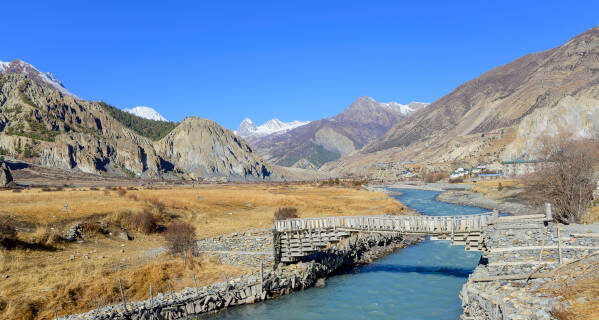
Nepal, nestled between the majestic Himalayas and the lush jungles of the Indian plains, is a treasure trove of adventures, culture, and natural beauty. Whether you are a seasoned trekker, a culture enthusiast, or a casual traveler, holidays in Nepal offer something for everyone. Let’s dive into this Himalayan wonderland and discover the best it has to offer.
Introduction to Nepal
Brief History of Nepal
Nepal, a land steeped in history, has long been a cultural crossroads. From ancient trade routes to the birthplace of Buddha, its historical tapestry is both rich and diverse. Consequently, holidays in Nepal provide a unique opportunity to delve into this heritage. Furthermore, the country transitioned from a monarchy to a federal democratic republic in 2008, ushering in a new era in its storied past.
Geographical Diversity
Nepal boasts an unparalleled range of geographical diversity. From the towering peaks of the Himalayas, including Mount Everest, to the lush Terai plains, the country’s topography is as varied as it is stunning. Consequently, this diversity offers a unique backdrop for various activities and adventures.
Cultural Richness
Nepal’s cultural landscape forms a vibrant mosaic, home to over 120 ethnic groups. Each community, with its distinct language, customs, and traditions, enriches the country’s cultural heritage. Consequently, festivals, music, dance, and art become integral parts of daily life, offering visitors a deep and immersive cultural experience.
Significance in the World
Nepal holds a significant place on the world stage, not just for its natural wonders but also for its cultural and spiritual contributions. As the birthplace of Siddhartha Gautama, who became Buddha, Nepal is a pivotal site for Buddhists worldwide. Moreover, its commitment to conservation and sustainable tourism has made it a leader in eco-friendly travel.
Holidays to Nepal: Top Trekking Adventures
Popular Trekking Routes for Unforgettable Holidays to Nepal
Holidays in Nepal are synonymous with trekking. Among the many iconic trails, the Annapurna Circuit, Everest Base Camp, and Langtang Valley stand out as some of the most sought-after routes. Each path presents its unique challenges while simultaneously offering breathtaking vistas.
Essential Gear and Preparation for Holidays to Nepal
Preparing for a trek in Nepal requires careful planning and the right gear. Essential items include sturdy hiking boots, a reliable backpack, weather-appropriate clothing, and navigation tools. Fitness preparation is also crucial to tackle the high altitudes and rugged terrain.
Holidays to Nepal: Safety Tips for Trekkers
Safety is paramount when trekking in Nepal, especially during the holidays there. Acclimatization is key to preventing altitude sickness. Trekkers should also stay hydrated, follow designated paths, and be mindful of the weather conditions. Hiring a local guide can greatly enhance safety and enrich the trekking experience.
Holidays to Nepal: Best Time for Trekking
The best time to trek in Nepal is during the pre-monsoon (March to May) and post-monsoon (September to November) seasons. These periods offer stable weather, clear skies, and optimal trekking conditions. Each season, however, brings its unique charm to the landscapes. If you’re planning holidays in Nepal, these are the ideal times to experience the best trekking conditions. Learn more about trekking in Nepal.
Must-see Destinations on Holidays to Nepal
Holiday in Kathmandu Valley
Swayambhunath (Monkey Temple)
Perched atop a hill, Swayambhunath offers panoramic views of Kathmandu and stands out for its spiritual significance. The stupa, adorned with Buddha’s eyes, is a UNESCO World Heritage Site. Additionally, it is a must-visit destination due to the playful monkeys that inhabit the area.
Pashupatinath Temple
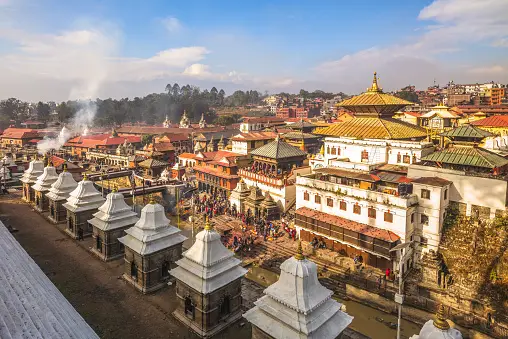
Pashupatinath, one of the holiest Hindu temples, serves as a sacred pilgrimage site. Located along the banks of the Bagmati River, the temple complex functions as a place of worship and a cremation site. Consequently, it offers a profound glimpse into Hindu rituals and beliefs.
Boudhanath Stupa Holidays Trip
Boudhanath is one of the largest stupas in the world. Its massive mandala serves as a focal point for Tibetan Buddhism in Nepal. Furthermore, the area surrounding the stupa is filled with monasteries and shops selling Tibetan artifacts.
Patan Durbar Square
A marvel of Newar architecture, Patan Durbar Square is a historic site with ancient palaces, courtyards, and temples. Each structure unveils a chapter of Nepal’s artistic and architectural prowess.
Holidays in Pokhara
Phewa Lake
Phewa Lake is the centerpiece of Pokhara. Visitors can enjoy boating on the tranquil waters and admire the reflection of the Annapurna range, which creates a mesmerizing backdrop.
Davis Falls
Davis Falls, a unique waterfall that tunnels through a cave, is a popular tourist attraction. The nearby Gupteshwor Mahadev Cave enhances the allure of this natural wonder.
World Peace Pagoda Holiday Trip
The World Peace Pagoda offers stunning views of Pokhara and the surrounding mountains and serves as a serene place for meditation and reflection. Designed to inspire peace and harmony, it provides a tranquil retreat for those seeking inner calm.
Sarangkot Viewpoint
Sarangkot is the premier spot for spectacular sunrise views. The viewpoint provides a panoramic vista of the Annapurna and Dhaulagiri ranges, making it a photographer’s paradise.
Holidays in Chitwan National Park
Jungle Safari
Chitwan National Park, a UNESCO World Heritage Site renowned for its diverse wildlife, offers an exceptional experience. Visitors can observe Bengal tigers, one-horned rhinos, and various bird species in their natural habitat by embarking on a jungle safari.
Elephant Breeding Center
The Elephant Breeding Center offers valuable insights into the lives of these majestic animals. Visitors can learn about ongoing conservation efforts and even interact with the elephants directly.
Tharu Cultural Shows
Sure! Here’s a revised version with improved transition:
The Tharu community, indigenous to the Terai region, showcases their rich culture through vibrant dance and music performances. Consequently, these shows offer a fascinating glimpse into their traditional way of life.
Canoe Rides
A canoe ride on the Rapti River is a peaceful way to explore Chitwan. It also offers an excellent opportunity to observe crocodiles, birds, and other wildlife along the riverbanks.
Holidays in Lumbini
Birthplace of Buddha
Lumbini, the birthplace of Siddhartha Gautama, is a significant pilgrimage site. Its serene gardens and temples commemorate Buddha’s life and teachings.
Maya Devi Temple
The Maya Devi Temple marks the exact spot where Buddha was born. The sacred pond and ancient ruins surrounding the temple enhance its spiritual ambiance.
Sacred Garden
The Sacred Garden in Lumbini is a tranquil area that hosts monasteries from various Buddhist countries. As a result, it serves as a serene haven for visitors from around the world, offering a space for peace and reflection.
Lumbini Museum
The Lumbini Museum provides an in-depth exploration of Buddha’s life and the history of Buddhism. Its exhibits include a diverse array of artifacts, scriptures, and artistic representations spanning various eras.
Holidays Packages
Guided Tours
Guided tours offer a hassle-free way to explore Nepal. Expert guides provide in-depth knowledge of the sites and ensure a seamless travel experience. Moreover, these tours often include transportation, accommodation, and meals, further enhancing your trip’s convenience and enjoyment.
Customized Itineraries
Customized itineraries are the way to go for those seeking a personalized experience. Travel agencies in Nepal can tailor trips to meet specific interests and preferences, whether they’re for adventure, culture, or relaxation.
Budget Travel Options
Nepal is a budget-friendly destination. Numerous affordable accommodations, eateries, and activities allow backpackers to enjoy the country’s beauty without breaking the bank.
Luxury Travel Experiences
Nepal has a growing number of high-end hotels, resorts, and exclusive tours for those who prefer luxury. These packages offer premium services, private guides, and exclusive access to certain attractions.
Culinary Experiences on Your Nepal Holiday
Traditional Nepali Dishes to Savor on Holidays to Nepal
Nepali cuisine is a delightful blend of flavors. Dishes like dal Bhat (lentil soup with rice), momo (dumplings), and gundruk (fermented leafy greens) are staples that offer a taste of local culture.
Street Foods to Try on Holidays to Nepal
Street food in Nepal is a must-try. From spicy chaat to sweet jalebi, the variety is endless. Street vendors serve up delicious snacks that are both affordable and mouth-watering.
Fine Dining Options
Nepal’s dining scene features a range of fine-dining restaurants serving international and fusion cuisine. These establishments deliver a sophisticated culinary experience enhanced by a distinct touch of Nepali flair.
Culinary Delights Await: Foodie Holidays to Nepal
Culinary tours are gaining popularity, as they offer an immersive experience in Nepali gastronomy. These tours, which include visits to local markets, cooking classes, and food tastings, seamlessly guide visitors through an engaging and comprehensive exploration of the rich and diverse flavors of Nepalese cuisine. Consequently, participants not only savor the authentic taste of Nepali dishes but also gain a deeper understanding of the cultural significance behind each culinary delight.
Nepal Holidays: Don’t Miss These Iconic Cultural Festivals
Dashain
Dashain is the longest and most significant festival in Nepal. It celebrates the victory of good over evil. It involves family gatherings, animal sacrifices, and the worship of goddess Durga.
Celebrate Tihar on Your Holidays in Nepal
Tihar, also known as the festival of lights, is enthusiastically celebrated. Homes are decorated with oil lamps and colorful rangoli, and special days are dedicated to honoring crows, dogs, cows, and siblings.
Holi
Holi, the festival of colors, is celebrated with exuberance. People throw colored powders and water at each other, symbolizing the arrival of spring and the victory of good over evil.
Buddha Jayanti
Buddha Jayanti commemorates Buddha’s birth, enlightenment, and death. As such, it holds great significance for Buddhists and is celebrated through various rituals and ceremonies in Lumbini and other Buddhist sites.
Practical Nepal Holidays Tips
Visa Information for Nepal Holidays
Travelers to Nepal require a visa, which can be obtained on arrival at the airport or through Nepalese embassies. Ensure your passport is valid for at least six months beyond your intended stay.
Health and Safety for Holidays to Nepal
It’s essential to take health precautions when traveling to Nepal. Vaccinations, safe drinking water, and avoiding street food from unhygienic places can help prevent illnesses. Travel insurance is also recommended.
Essential Etiquette Tips for Your Holidays to Nepal
Respecting local customs and traditions is important. Dress modestly, especially in religious sites, and learn a few basic phrases in Nepali to show respect. Always ask for permission before taking photos of people.
Currency and Budgeting for Holidays to Nepal
The Nepalese Rupee (NPR) is the official currency. ATMs are widely available in cities, but it’s advisable to carry cash in remote areas. Budget travelers can get by on $20-30 daily, while luxury travelers can expect to spend more.
Nepal, with its majestic landscapes, rich culture, and warm hospitality, is a destination that offers something for every traveler. Whether you’re trekking through the Himalayas, exploring ancient temples, or savoring local cuisine, the experiences are bound to leave lasting memories. Holidays in Nepal are truly magical. For personalized travel packages and expert guidance, visit https://kalpaholidays.com/ and plan your dream holiday in this enchanting Himalayan kingdom.
The Annapurna Base Camp (ABC) trek in the heart of Nepal offers an ideal mix of natural splendor, rich cultural encounters, and thrilling challenges, making it a journey packed with unforgettable moments. This trek is particularly famous for its stunning Himalayan vistas, picturesque Gurung villages, and the unique trekking experience beneath the towering peaks of the Annapurna Massif.
As you embark on the ABC trek, you must recognize that the adventure is more than just reaching the base camp. It’s about fully engaging with the diverse landscapes, from the verdant rhododendron forests to the rugged alpine terrain. The trek also offers a remarkable display of flora and fauna, visits to ancient monasteries, and the warm hospitality of the local communities. The trek typically takes between 7 to 12 days, depending on your pace and route.
Best Time to Visit Annapurna Base Camp
The best time to embark on the Annapurna Base Camp trek is during the pre-monsoon (spring) and post-monsoon (autumn) seasons.
Spring (March to May): During this period, the weather is relatively stable, and the rhododendron forests are in full bloom, offering vibrant landscapes.
Autumn (September to November): This season offers clear skies and stunning mountain views, making it the most popular time for trekking.
Essential Preparations for Annapurna Base Camp
Preparation is key to a successful and enjoyable trek. Here are some crucial steps to take before hitting the trail:
Physical Fitness: Build your stamina through regular cardio exercises, strength training, and practice hikes.
Gear and Equipment: Invest in quality trekking gear, including sturdy boots, a comfortable backpack, and weather-appropriate clothing.
Permits and Documentation: Obtain the necessary permits, including the Annapurna Conservation Area Permit (ACAP) and Trekkers’ Information Management System (TIMS) card. For more information, you can check out the Nepal Tourism Board.
Health and Safety: Consult your doctor about necessary vaccinations and medications. Carry a basic first-aid kit and familiarize yourself with altitude sickness symptoms and prevention.
Getting Started of Annapurna Trek: Reaching the Trailhead
Arriving in Kathmandu
Your journey begins in Kathmandu, the bustling capital of Nepal. You can soak in the rich cultural heritage and prepare for your trek here. Ensure all your gear is in order, purchase last-minute supplies, and meet fellow trekkers.
Journey to Pokhara
From Kathmandu, you’ll head to Pokhara, either by a 6-8-hour scenic bus ride or a quick 25-minute flight. Pokhara is a serene lakeside city that offers a tranquil respite before your trek. Spend a day here to relax, enjoy the stunning views of the Annapurna range, and finalize your trekking arrangements.
Transportation to Nayapul
The trek begins from Nayapul, a 1.5-hour drive from Pokhara. You can hire a private jeep or take a shared taxi. The drive itself is quite scenic, passing through picturesque villages and terraced fields.
Last-minute Preparations in Nayapul
Nayapul is your last stop before hitting the trail. Ensure you have everything you need, from water purification tablets to energy snacks. Double-check your permits and ensure you have enough local currency for the trek.
Highlights of the Annapurna Base Camp Trek
Ghandruk: A Traditional Gurung Village
The initial significant waypoint on your trek is Ghandruk, a charming village home to the Gurung community. The stone-paved paths and traditional architecture enhance the village’s allure. Additionally, the stunning vistas of Annapurna South and Machapuchhre (Fishtail) contribute to a truly memorable experience.
Chomrong: Gateway to Annapurna Sanctuary
Chomrong is another significant stop, often considered the gateway to the Annapurna Sanctuary. The village offers comfortable teahouses and stunning views. You’ll also get your first close-up view of Annapurna South.
Dovan and Bamboo: Into the Jungle
As you move higher, the trail passes lush bamboo forests and dense rhododendron groves. Dovan and Bamboo are key stops, offering a peaceful environment amidst the jungle.
Deurali: Climbing Higher
Deurali is your penultimate stop before reaching the base camp. The landscape starts changing, with sparser vegetation and more rugged terrain. The air gets thinner, and the temperature drops, signaling the proximity to the higher altitudes.
The Majestic Annapurna Base Camp
First Glimpse of Annapurna
Reaching Annapurna Base Camp is a surreal experience. The first glimpse of the towering peaks around you is nothing short of breathtaking. Surrounded by some of the world’s tallest mountains, you feel both humbled and exhilarated.
Sunrise at Annapurna Base Camp
One of the highlights of ABC is witnessing the sunrise over the Annapurna range. The golden rays illuminating the snow-capped peaks create a magical panorama that is etched in memory forever.
Exploring the Annapurna Base Camp
Take time to explore the base camp area. There are numerous vantage points for photography, and you can also interact with other trekkers and climbers, each with their own stories of adventure.
Annapurna Base Camp Trek: Acclimatization Tips
To fully enjoy your time at ABC, ensure you’re well-acclimatized. Spend a day or two at higher altitudes during your trek to prevent altitude sickness. Hydrate well, eat nourishing food, and listen to your body.
Cultural Encounters Along the Annapurna Trek
Interacting with Local Communities
A distinctive feature of the Annapurna Base Camp trek is, indeed, the chance to engage with local communities. Specifically, the Gurung people, renowned for their warm hospitality, frequently invite trekkers to exchange stories and, consequently, gain insights into their traditional way of life.
Understanding the Gurung Culture
The Gurung culture is rich and vibrant. From traditional dances to their unique customs, immersing yourself in this culture adds depth to your trekking experience. Visit local museums or cultural centers to gain more insight.
Traditional Foods and Lodging
The teahouses along the trek offer a variety of local and international dishes. Try traditional Nepali food like dal Bhat (lentil soup with rice) and momo (dumplings). The teahouses are cozy and provide a great place to rest and socialize.
Festivals and Celebrations
You’re in for a treat if your trek coincides with local festivals. Festivals like Dashain and Tihar are celebrated fervently and offer a glimpse into the local traditions and joyous spirit.
Challenges and Rewards of the Annapurna Base Camp Trek
Annapurna Base Camp: Physical Demands and Fitness Tips
The Annapurna Base Camp trek presents a moderate challenge. Therefore, to prepare for the journey, exercise regularly such as hiking, jogging, and strength training. Additionally, be prepared for extended periods of walking, frequently on steep and uneven ground.
Annapurna Region Altitude Sickness: Prevention and Treatment
Altitude sickness is a real concern on this trek. Therefore, ascend slowly, stay hydrated, and consider taking medications like Diamox. However, if symptoms like headaches, nausea, or dizziness occur, descend immediately and seek medical help.
Weather Challenges
Mountain weather can be unpredictable; therefore, it is important to be prepared for sudden changes, including rain, snow, and cold temperatures. Always carry a reliable weatherproof jacket and other essential gear.
Personal Growth and Fulfillment
In addition to the physical and logistical aspects, the trek also offers immense personal growth. As you navigate the challenges and take in the beauty you witness, this journey culminates in a profound sense of accomplishment and a deeper connection with nature.
The Annapurna Base Camp trek is more than just a hike; it’s a journey of discovery. From the stunning landscapes and cultural encounters to the physical and emotional challenges, every step of the trek is a testament to human endurance and the beauty of our planet. Whether you’re an experienced trekker or a novice adventurer, this trek promises memories that will last a lifetime.
Nepal, a land of breathtaking mountains and vibrant cultures, offers some of the most incredible trekking experiences globally. This compact yet diverse country is famed for its towering peaks, including the iconic Mount Everest and its rich blend of traditions and landscapes. Whether you’re a seasoned trekker seeking a challenge or a traveller eager to absorb awe-inspiring views, Nepal Adventure has something special for everyone.
Trekking in Nepal is more than just a physical endeavor; it’s an adventure into one of the world’s most enchanting landscapes. As you explore Nepal’s trekking routes, you’ll traverse varied terrains, from lush forests and tranquil lakes to rugged mountain trails. The beauty of Nepal’s trekking routes and the chance to engage with local cultures make them exceptional.
In this blog post, we’ll explore some of the top trekking routes in Nepal and highlight must-see sightseeing spots. We’ll also explore the Everest, Annapurna, and Langtang regions, providing a comprehensive guide to the best treks and attractions. Whether you’re planning your next adventure or simply dreaming about exploring Nepal, this guide will help you uncover the highlights of this Himalayan gem.
Discover Nepal, where breathtaking mountains meet vibrant cultures and offer some of the world’s most incredible trekking experiences. Nepal has something for everyone, from the iconic Mount Everest to rich traditions and diverse landscapes. Whether you’re a seasoned trekker or a traveller eager to absorb awe-inspiring views, Nepal’s trekking routes promise an unforgettable journey. For more information and planning resources, visit the Nepal Tourism Board.
Adventure in Nepal: The Everest Region
Geographic Overview
Explore Nepal’s Everest region, home to the world’s highest peak, Mount Everest. This northeastern part of Nepal, which is also part of the Khumbu region, features dramatic landscapes and stunning natural beauty. It includes several high-altitude valleys and peaks and is renowned for its rugged terrain, glacial lakes, and expansive Himalayan views.
Cultural Significance
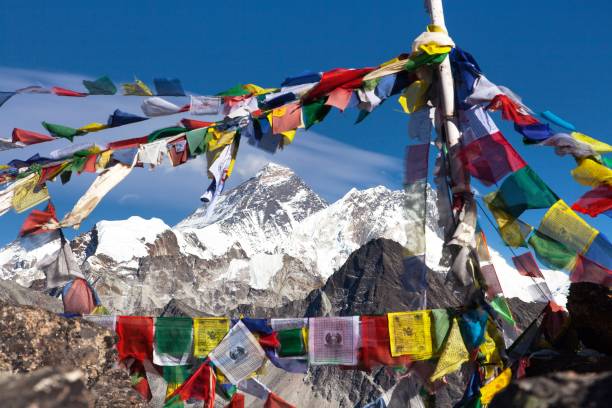
The Everest region is not only known for its towering peaks but also its rich cultural heritage. It is primarily inhabited by the Sherpa people, known for their mountaineering skills and warm hospitality. The Sherpa culture is deeply intertwined with the region’s trekking routes, and you’ll encounter traditional monasteries, chorten (stupas), and prayer flags along your journey.
Accessibility and Travel Tips
Reaching the Everest region typically involves a flight from Kathmandu to Lukla, a small town with an airport that has one of the world’s most dramatic runways. From Lukla, trekkers embark on their journey, with routes leading to Everest Base Camp and other destinations. Due to the high altitude and variable weather, preparing adequately and allowing for acclimatisation is essential.
Best Time to Visit for the Adventure in Nepal
Plan your trek in the Everest region to explore Nepal effectively during the pre-monsoon (spring) or post-monsoon (autumn) seasons. These times feature stable weather and clear skies. Spring (March to May) delivers the most spectacular views of Everest and nearby peaks, while autumn (September to November) presents mild temperatures and less crowded trails.
Adventure in Nepal with Everest Base Camp Trek
Overview of the Trek
Explore Nepal with the Everest Base Camp trek, one of the most renowned treks worldwide. Firstly, this journey leads you through the majestic Everest region, where you’ll be treated to breathtaking views of Everest, Lhotse, and Nuptse. Additionally, you’ll be able to immerse yourself in the distinctive Sherpa culture.
Key Highlights
Scenic Views: The trek offers breathtaking views of Everest and surrounding peaks.
Sherpa Villages: Experience the local culture in traditional villages like Namche Bazaar and Tengboche.
Monasteries: Visit ancient monasteries and stupas, such as the Tengboche Monastery.
Preparation and Gear
Proper preparation is crucial for the Everest Base Camp trek. Key items include:
Warm Clothing: Temperatures can drop significantly, especially at higher altitudes.
Good Quality Boots: Ensure your boots are well-fitted and broken in.
Sleeping Gear: Consider a sleeping bag rated for sub-zero temperatures.
Challenges and Tips
The Everest Base Camp trek involves significant altitude gain, which can lead to altitude sickness. To minimize risks:
Acclimatize Properly: First, take your time to adjust to the altitude. Additionally, ensure you allow your body to adapt to the changes in elevation gradually.
Stay Hydrated: Drink plenty of water to avoid dehydration. Staying hydrated is crucial for maintaining your energy levels.
Trek Slowly: Maintain a steady pace to prevent exhaustion. Avoid pushing yourself too hard and give your body the chance to acclimate.
Gokyo Lakes Trek for Adventure in Nepal
Overview of the Trek
The Gokyo Lakes trek, an alternative to the Everest Base Camp trek, offers stunning views of Everest and provides perspectives of the surrounding peaks from a different vantage point. This trek takes you to the beautiful Gokyo Lakes, a series of high-altitude lakes surrounded by snow-capped peaks. Consequently, you experience both the Everest region’s breathtaking scenery and the Gokyo Lakes’s serene beauty.
Scenic Attractions
Gokyo Lakes: Five pristine lakes set against a backdrop of towering mountains.
Gokyo Ri: A peak offering panoramic views of Everest, Lhotse, and Makalu.
Cho La Pass: A challenging but rewarding pass with stunning vistas.
Itinerary and Duration
The Gokyo Lakes trek usually takes about 12 to 15 days, depending on your pace and acclimatization needs. The trek typically starts in Lukla and passes through several Sherpa villages before reaching the Gokyo Lakes.
Comparison with Everest Base Camp Trek
While both treks offer spectacular views of Everest, the Gokyo Lakes trek is quieter and less crowded than the Everest Base Camp trek. It also includes the challenging crossing of the Cho La Pass, adding a sense of adventure to the journey.
Adventure in Nepal with Three Passes Trek
Overview and Route
The Three Passes trek is a demanding circuit that takes you across three high mountain passes-Kongma La, Cho La, and Renjo La- and offers a unique and immersive experience. Consequently, this trek is ideal for experienced trekkers seeking a comprehensive exploration of the Everest region’s diverse landscapes. In addition, it provides an opportunity to witness the dramatic contrasts in terrain, which makes the adventure even more rewarding.
Key Passes and Their Significance
Kongma La: As the highest pass, Kongma La offers breathtaking views of Makalu and Lhotse, providing an unmatched perspective.
Cho La: Conversely, Cho La is challenging but rewards trekkers with stunning Gokyo Lakes and Everest vistas. Thus, the effort is worth the view.
Renjo La: Meanwhile, Renjo La delivers panoramic views of Everest, Lhotse, and Makalu. Therefore, it rounds out the trio with its expansive scenery.
Difficulty Level
Explore Nepal’s Three Passes trek is renowned for its demanding nature. Its high altitude and rugged terrain present a significant challenge, so trekkers must be prepared for extended hikes and severe weather conditions.
Recommendations for Trekking
Training: First, engage in physical training to build stamina and strength. This preparation will enhance your overall performance.
Altitude Acclimatization: Moreover, allow extra days for acclimatization to prevent altitude sickness. By doing so, you will gradually adjust to the higher elevations and reduce the risk of health issues.
Guides and Porters: Consider hiring local guides and porters for assistance and safety. This will support local communities and ensure you have experienced help throughout your journey.
The Annapurna Region
Geographic Overview
The Annapurna region, located in central Nepal, is home to a diverse range of landscapes, including subtropical forests and arid high-altitude deserts. Additionally, the region is prominently dominated by the Annapurna massif, which includes several of Nepal’s highest peaks.
Cultural Insights
The Annapurna region is culturally rich and features diverse ethnic groups, including Gurungs, Magars, and Thakalis. Furthermore, the region’s trekking routes provide breathtaking views and a fascinating glimpse into their traditional lifestyles and customs.
Travel Logistics
The Annapurna region is accessible from Pokhara, a city known for its stunning natural beauty. Trekkers typically fly into Pokhara from Kathmandu and then start their trek from various points, including Nayapul and Besisahar.
Ideal Trekking Seasons
The best times to trek in the Annapurna region are during the spring (March to May) and autumn (September to November). These seasons offer stable weather and clear views of the mountains.
Annapurna Circuit Trek
Trek Overview
The Annapurna Circuit is not only one of the most popular but also one of the most diverse treks in Nepal. It circumnavigates the Annapurna massif, thereby offering trekkers an array of landscapes. Specifically, you can experience everything from lush valleys to, in contrast, high-altitude deserts.
Major Attractions
Thorong La Pass: The highest point on the trek, offering spectacular views.
Manang Village: A high-altitude village with stunning scenery and cultural insights.
Muktinath Temple: A sacred site for both Hindus and Buddhists.
Preparation and Essentials
Training: First, prepare with physical training and acclimatization, which will improve your endurance.
Permits: Next, obtain the Annapurna Conservation Area Permit (ACAP) and the Trekkers’ Information Management System (TIMS) card to ensure compliance and a smooth trek.
Gear: Pack layers of clothing, a good sleeping bag, and essential trekking gear to stay comfortable in varying conditions.
Trekking Experience
The Annapurna Circuit offers a diverse trekking experience characterized by varying climates and cultures along the route. It is renowned for its stunning scenery, challenging passes, and vibrant local communities. Consequently, trekkers can expect a dynamic adventure that seamlessly combines natural beauty with rich cultural encounters.
Annapurna Base Camp Trek
Trek Overview
Explore Nepal with the Annapurna Base Camp trek, a shorter option than the Annapurna Circuit. This trek leads you to the base camp of Annapurna I and offers breathtaking views of the Annapurna massif and its neighbouring peaks.
Highlights and Scenery
Annapurna Base Camp: A dramatic setting surrounded by towering peaks.
Machapuchare: Also known as Fish Tail, this peak offers iconic views.
Himalayan Sunrise: Experience sunrise views over the Annapurna range.
Best Practices and Tips
Acclimatization: Therefore, spend extra days at higher altitudes to adjust to the elevation. This gradual acclimatization will help prevent altitude sickness and ensure a safer journey.
Weather: Consequently, check weather forecasts regularly and prepare for changing conditions. By staying informed, you can adapt your plans and gear accordingly.
Local Culture: Furthermore, respect local customs and interact with friendly communities along the way. In doing so, you will enrich your experience and foster positive relationships with those you encounter.
Comparison with Annapurna Circuit
Explore Nepal with the Annapurna Base Camp trek, which is considerably less strenuous than the more demanding Annapurna Circuit. Consequently, it emerges as an excellent choice for those with limited time or those who prefer a shorter hike. Moreover, it offers stunning views and an intimate experience of the Annapurna massif.
Poon Hill Trek
Overview of the Trek
The Poon Hill trek is relatively short and easy, offering some of the best sunrise views in Nepal. It’s ideal for those with limited time or those looking for a less strenuous trek.
Scenic Views and Highlights
Poon Hill: This viewpoint not only offers panoramic views of the Annapurna and Dhaulagiri ranges but also provides a stunning perspective of the surrounding mountains.
Ghandruk Village: Ghandruk Village is a traditional Gurung settlement where you can gain cultural insights and experience local heritage.
Rhododendron Forests: As you walk through these lush forests, you’ll encounter vibrant blooming rhododendrons, enhancing the serene environment.
Duration and Difficulty
The Poon Hill trek usually takes about 4 to 5 days. It’s considered moderate in difficulty, with a gradual ascent and well-defined trails.
Best Time to Visit
The best times to undertake the Poon Hill trek are during the spring (March to May) and autumn (September to November). These seasons offer clear skies and pleasant temperatures.
The Langtang Region
Introduction to Langtang Region
The Langtang region, located north of Kathmandu, offers a unique trekking experience with its diverse landscapes and rich cultural heritage. It is known for its beautiful valleys, high peaks, and traditional Tibetan-influenced culture.
Accessibility and Travel Tips
The Langtang region is accessible via a drive from Kathmandu to Syabrubesi, the starting point for most treks. Compared to other trekking areas, it is relatively easy to reach and offers a more remote and tranquil experience.
Optimal Trekking Seasons
The best times to trek in the Langtang region are during the spring (March to May) and autumn (September to November). These seasons provide stable weather and clear views of the mountains.
Langtang Valley Trek
Overview and Highlights
The Langtang Valley trek is renowned for its stunning natural beauty and rich cultural experiences. As you embark on this journey, you will traverse lush forests and pass through traditional villages. Moreover, the trek presents spectacular views of the majestic Langtang range, making it an unforgettable adventure.
Itinerary and Duration
The Langtang Valley trek typically takes 7 to 10 days. It starts from Syabrubesi and follows a route through several picturesque villages before reaching Kyanjin Gompa.
Cultural Experiences
Local Villages: Interact with the Tamang and Sherpa communities.
Monasteries: Visit local monasteries, such as Kyanjin Gompa.
Traditional Customs: Learn about local traditions and practices.
Preparation Tips
Permits: First, obtain the Langtang National Park permit. Then, make sure you have all the necessary documentation.
Acclimatization: Next, spend time acclimatizing to avoid altitude sickness. This step is crucial for a safe experience.
Gear: Finally, pack appropriate clothing for varying weather conditions. Being prepared for different scenarios is essential.
Gosaikunda Lake Trek
Trek Overview
Explore Nepal with the Gosaikunda Lake trek. This journey leads to the sacred Gosaikunda Lake, an esteemed high-altitude site for Hindus and Buddhists. It provides a blend of spiritual and scenic encounters.
Major Attractions
Gosaikunda Lake: A sacred lake, is not only surrounded by snowy peaks but also offers a serene and picturesque setting.
Laurebina La Pass offers panoramic views of the surrounding peaks and provides an excellent vantage point for appreciating the majestic landscape.
Helambu Region: This region allows you to experience its cultural diversity and consequently gain insight into the rich traditions and lifestyles of the local communities.
Challenges and Essentials
Altitude: Therefore, prepare for high-altitude trekking by acclimatizing properly. This will help you adapt more effectively.
Weather: Be prepared for cold temperatures and possible snow.
Permits: Obtain necessary permits for the Langtang and Gosaikunda regions.
Comparison with Langtang Valley Trek
While both treks offer beautiful scenery and cultural experiences, the Gosaikunda Lake trek includes higher altitudes and more challenging terrain than the Langtang Valley trek.
Tamang Heritage Trail
Overview of the Trail
Explore Nepal on the Tamang Heritage Trail, where a cultural journey unfolds that reveals the traditions and lifestyle of the Tamang people. Moreover, this trail guides you through traditional villages and picturesque landscapes.
Cultural and Scenic Highlights
Tamang Villages: Explore traditional Tamang villages and their customs.
Rural Landscapes: Enjoy picturesque views of terraced fields and forests.
Local Festivals: Experience local festivals and celebrations.
Duration and Experience
The Tamang Heritage Trail typically takes about 7 to 10 days. The trek offers a blend of cultural immersion and natural beauty.
Best Trekking Practices
Respect Traditions: Show respect for local customs and traditions.
Cultural Engagement: Engage with local communities and learn about their lifestyle.
Prepare for Terrain: Be prepared for diverse terrain and weather conditions.
Sightseeing Destinations for Adventure in Nepal
Kathmandu Valley
Major Attractions
Kathmandu, the capital city of Nepal, is a vibrant hub of history and culture. Key attractions include:
Swayambhunath Stupa: Also known as the Monkey Temple, offering panoramic views of the city.
Patan Durbar Square: A historical square with beautiful temples and palaces.
Boudhanath Stupa: One of the largest stupas in Nepal, important for Buddhists.
Historical and Cultural Sites
Kathmandu Valley is home to several UNESCO World Heritage Sites, including:
Pashupatinath Temple: A major Hindu pilgrimage site.
Bhaktapur Durbar Square: Known for its medieval architecture and vibrant festivals.
Tips for Tourists
Local Cuisine: Try traditional Nepali dishes such as momos and dal bhat.
Cultural Etiquette: Dress modestly and be respectful of local customs.
Transportation: Use local taxis or walk to explore the city.
Recommended Itineraries
Day 1: Explore Kathmandu Durbar Square and Swayambhunath.
Day 2: Visit Pashupatinath and Boudhanath.
Day 3: Take a day trip to Bhaktapur and Patan.
Adventure in Pokhara
Key Attractions
Pokhara, a city known for its stunning natural beauty, offers a range of attractions:
Phewa Lake: A serene lake with boat rides and views of the Annapurna range.
Sarangkot: A viewpoint offering spectacular sunrise and sunset views.
Devis Falls: A popular waterfall with a dramatic drop.
Natural Beauty and Activities
Pokhara is a haven for outdoor activities:
Paragliding: Experience the thrill of flying over the city and lake.
Trekking: Access to several trekking routes, including the Annapurna region.
Cave Exploration: Visit the Gupteshwor Cave and other local caves.
Best Time for the Adventure in Pokhara
Consequently, the ideal periods to explore Pokhara are spring (March to May) and autumn (September to November). These seasons offer not only clear skies but also enjoyable weather. Therefore, it is highly recommended to visit during these times to appreciate the scenic beauty and pleasant conditions fully.
Travel Tips
Accommodation: Choose from a range of hotels and guesthouses.
Local Transport: Use taxis or rented bicycles to explore the city.
Safety: Be cautious around water bodies and follow safety guidelines for adventure activities.
Lumbini
Historical Significance
Lumbini is the birthplace of Siddhartha Gautama, who later became known as Buddha. It is a major pilgrimage site for Buddhists worldwide.
Major Attractions
Maya Devi Temple: The temple marks the exact spot where Buddha was born.
Lumbini Garden: A peaceful garden with monasteries and meditation spots.
Sacred Garden: Includes the sacred pool where Queen Maya Devi is believed to have bathed.
Visiting Tips
Respectful Attire: Dress modestly when visiting religious sites.
Local Guides: Consider hiring a guide to gain deeper insights into the historical significance.
Travel Arrangements: Lumbini is accessible from Butwal or Kathmandu via road.
Cultural Insights
Explore Nepal by visiting Lumbini, a center of Buddhist culture and heritage. To begin with, participate in local ceremonies and, in addition, witness traditional practices to enhance your experience. Furthermore, immerse yourself in the serene environment and, as a result, gain a deeper understanding of the region’s spiritual significance.
Adventure Tour in Chitwan National Park
Wildlife and Nature
Chitwan National Park, located in the southern Terai region, is renowned for its diverse wildlife and rich natural habitat. Key attractions include:
Rhinos: Spot one-horned rhinos in their natural habitat.
Bengal Tigers: Although elusive, the park is home to these majestic big cats.
Bird Watching: The park is a birdwatcher’s paradise with numerous species.
Activities and Experiences
Jungle Safari: You can explore the park’s wildlife either by jeep or, alternatively, by elephant safari.
Canoeing: Also, paddle along the Rapti or, if you prefer, the Narayani rivers.
Cultural Programs: Furthermore, attend traditional Tharu cultural performances.
Visiting Guidelines
Permits: Obtain a permit to enter the park.
Guides: Hire experienced guides for safaris and park tours.
Safety: Follow park regulations and safety guidelines for wildlife encounters.
Travel Recommendations
Accommodation: You should stay in lodges or resorts near the park. These accommodations provide convenient access to the park’s attractions.
Best Time to Visit: The dry season spans from October to March and is ideal for wildlife viewing. This period offers clearer skies and less rain, enhancing your experience.
Packing Tips: To ensure a comfortable trip, bring binoculars, sunscreen, and insect repellent. These items will help you enjoy the park’s wildlife and protect you from the elements.
Practical Tips for Trekking Adventure in Nepal
Health and Safety
Vaccinations and Health Precautions
Before you explore Nepal, make sure you’re current on routine vaccinations. Also, consider getting vaccinated for hepatitis A, hepatitis B, typhoid, and Japanese encephalitis.
Safety Tips and Guidelines
Altitude Sickness: Acclimatize gradually to avoid altitude sickness.
Travel Insurance: Obtain comprehensive travel insurance covering trekking and medical emergencies.
Emergency Contacts: Keep a list of emergency contacts, including local guides and rescue services.
Gear and Packing
Essential Gear List
Trekking Boots: Invest in high-quality, comfortable boots.
Clothing: Pack moisture-wicking layers, a down jacket, and waterproof gear.
Sleeping Bag: Choose a sleeping bag rated for cold temperatures.
Packing Tips and Recommendations
Lightweight Gear: Opt for lightweight and packable gear to ease your load.
Hydration: Carry a reusable water bottle and purification tablets.
First Aid Kit: Include basic medical supplies, such as bandages and pain relievers.
Rental vs. Buying Gear
Consider renting trekking gear if you only plan to trek occasionally. For frequent trekkers, investing in quality gear may be more cost-effective and comfortable.
Cultural Sensitivity
Respecting Local Customs
Dress Modestly: Wear appropriate clothing when visiting religious and rural areas.
Greetings: Use traditional greetings such as the ‘Namaste’ with folded hands.
Behaviour: Avoid loud behaviour and respect local traditions.
Dos and Don’ts
Do: Follow local customs and be polite.
Don’t Disrespect religious sites or take photos where prohibited.
Interaction with Local Communities
Engagement: Engage with locals respectfully and learn about their traditions.
Support: Buy souvenirs from local artisans to support their livelihoods.
Permits and Regulations for Adventure in Nepal
Required Permits for Nepal Adventure Treks
Everest Region: TIMS card and Sagarmatha National Park permit.
Annapurna Region: ACAP and TIMS card.
Langtang Region: Langtang National Park permit.
Nepal Adventure: Visa and Travel Regulations
Visa: Obtain a tourist visa for Nepal upon arrival or in advance.
Entry Regulations: Ensure your passport is valid for at least six months.
Environmental Considerations
Leave No Trace: Follow environmental guidelines to minimize your impact.
Waste Management: Dispose of waste properly and carry out all non-biodegradable trash.
Discover Nepal’s unique mix of adventure and cultural depth, from the majestic Everest peaks to the tranquil beauty of Pokhara. Whether you’re searching for thrilling hikes or peaceful sightseeing, this Adventure in Nepal has it all. For a tailored travel experience and expert advice, explore Kalpa Holidays and let us assist in crafting your memorable journey through Nepal.
Nepal, a delightful and compact country between India and China, invites you to explore its beauty with a Nepal Guide. The country boasts stunning landscapes, from the awe-inspiring Himalayas to the lush Terai jungles. Nepal’s natural beauty is unparalleled, and its diverse society is a rich blend of ethnicities, languages, and traditions.
Historical Background
Nepal’s history is as diverse as its landscapes. For centuries, the country has been a melting pot of cultures and religions. The Kathmandu Valley, in particular, has been a significant cultural and political centre since ancient times. Nepal is renowned for its unique architectural heritage, with centuries-old palaces, temples, and monuments that tell stories of the past.
Geographical Overview
Geographically, Nepal is divided into three main regions: the Himalayas in the north, the mid-hills in the central part, and the Terai plains in the south. Each region has its distinct climate, flora, and fauna, offering varied experiences for travellers. The Himalayan region boasts some of the highest peaks in the world, including Mount Everest.
Cultural Richness
Nepal’s cultural richness is reflected in its festivals, music, dance, and art. Festivals like Dashain, Tihar, and Holi are celebrated with great fervour and colour. Traditional music and dance performances provide a glimpse into the country’s vibrant heritage. Nepali art, particularly intricate wood carvings and metalwork is also a testament to the country’s artistic prowess.
Experience the Best through the Nepal Guide
Popular Trekking Routes
Explore Nepal’s top attractions with its renowned trails and Nepal Guide tips, each presenting a distinctive piece of paradise for hikers. The iconic Everest Base Camp Trek offers the chance to stand beneath the world’s tallest peak. Another essential route is the Annapurna Circuit, celebrated for its varied landscapes and breathtaking vistas. The Langtang Valley Trek and the Manaslu Circuit each deliver exceptional experiences and stunning scenery.
Nepal Guide: Best Seasons for Trekking
The optimal times for trekking in Nepal are spring (March to May) and autumn (September to November). During these periods, the weather is generally stable, with clear skies, creating ideal conditions for trekking. Spring enhances the experience with blooming rhododendrons, while autumn delivers stunningly clear mountain vistas.
Preparing for Your Trek with Nepal Guide
Preparation is key for a successful trek. You must be physically fit and well-acclimatized to the altitude. Packing the right gear, including sturdy hiking boots, warm clothing, and a reliable backpack, is crucial. Hiring a local Nepal Guide or joining a trekking group can enhance the experience and ensure safety.
Trekking Tips for Beginners by Nepal Guide
For beginners, starting with shorter and less challenging treks, such as the Ghorepani Poon Hill Trek, is advisable. Acclimatization is crucial, so take your time and don’t rush. Stay hydrated, and always listen to your body. Respect local customs and traditions, and leave no trace to preserve the natural beauty of the trails.
Tours and Sightseeing with Nepal Guide
Major Cities to Visit
Experience the Best of Nepal with a visit to Kathmandu, where the vibrant city life blends ancient charm with contemporary attractions. Discover Pokhara, the gateway to the Annapurna region, renowned for its breathtaking lake vistas and thrilling adventure opportunities. Explore Lumbini, the sacred birthplace of Buddha, a key pilgrimage destination. Don’t miss Bhaktapur and Patan, both celebrated for their beautifully preserved medieval architecture.
Must-See Historical Sites
Nepal is rich in historical sites. The Kathmandu Valley is home to seven UNESCO World Heritage Sites, including the famous Durbar Squares of Kathmandu, Bhaktapur, and Patan. The ancient stupas of Swayambhunath and Boudhanath are also significant landmarks. The Chitwan National Park, a UNESCO World Heritage Site, offers a glimpse into Nepal’s wildlife.
Natural Wonders and Parks
Nepal’s natural wonders are diverse and breathtaking. The Chitwan National Park is renowned for its rhinos, tigers, and elephants. The Sagarmatha National Park, home to Mount Everest, offers unparalleled mountain scenery. The Rara Lake in the remote northwest is the largest lake in Nepal and a hidden gem for nature lovers.
Cultural Tours and Experiences
Cultural tours in Nepal provide an immersive experience. Some ways to engage with Nepali culture include visiting traditional villages, participating in local festivals, and exploring ancient monasteries. Homestays with local families offer a unique opportunity to experience daily life in Nepal and enjoy authentic Nepali hospitality.
Adventure Activities Beyond Trekking
White-Water Rafting
Nepal’s rivers, fed by the melting snow of the Himalayas, provide excellent opportunities for white-water rafting. The Trishuli River is popular for beginners, while the Bhote Koshi River offers more challenging rapids for experienced rafters. Multi-day rafting expeditions on the Sun Koshi River provide an unforgettable adventure.
Paragliding and Skydiving
Pokhara is the hub for paragliding in Nepal. Consequently, soaring above Phewa Lake with the Annapurna range in the background provides an exhilarating experience. Moreover, for the ultimate thrill, skydiving over Mount Everest offers an unmatched adrenaline rush and spectacular views.
Jungle Safaris
The Terai region of Nepal is ideal for jungle safaris. Chitwan National Park and Bardia National Park are the top destinations for spotting wildlife, such as Bengal tigers, one-horned rhinos, and various species of birds. Safari options include jeep rides, elephant-back safaris, and guided jungle walks.
Mountaineering
Nepal is the ultimate destination for mountaineers. Besides Everest, numerous peaks exist to conquer, such as Lhotse, Makalu, and Manaslu. Climbing these peaks requires technical skills and preparation, but the rewards are immense. Trekking peaks like Island Peak and Mera Peak are great options for those seeking less challenging climbs.
Culinary Journey in Nepal
Traditional Nepali Cuisine
Nepal Guide also suggests that Nepali cuisine is a delightful blend of flavours. Dal Bhat, a meal consisting of lentil soup, rice, and vegetables, is a staple. Momos, Nepali dumplings, are a popular snack. Thukpa, a noodle soup, is perfect for colder regions. Spices like cumin, coriander, and turmeric add depth to Nepali dishes.
Popular Street Foods
Exploring Nepali street food is a must. For instance, samosas-deep-fried pastries with a spiced filling and Chatamari-a rice crepe with various toppings are local favorites. You should also try the spicy Sekuwa, grilled meat, and Sel Roti, a traditional rice doughnut. Furthermore, street vendors offer an array of tasty and affordable options, making it easy to indulge in various delicious treats.
Fine Dining Experiences
Kathmandu and Pokhara offer a range of upscale restaurants for fine dining. To begin with, you can enjoy multi-course meals that feature local and international cuisines. For instance, restaurants such as Krishnarpan in Kathmandu provide a traditional dining experience with a multi-course Nepali feast. Meanwhile, in Pokhara, freshly caught fish from Phewa Lake is a notable speciality.
Cooking Classes and Food Tours
Cooking classes are an excellent way to learn about Nepali cuisine. In many cases, these classes include a market visit, where you can purchase fresh ingredients. Subsequently, you engage in a hands-on cooking session. Additionally, food tours in Kathmandu and Pokhara offer the opportunity to sample various dishes. Furthermore, these tours provide insight into the rich culinary traditions of Nepal.
Discover the Best of Nepal: Essential Travel Tips
Visa and Entry Requirements
Travellers need a visa to enter Nepal, which can be obtained on arrival at the airport or through Nepali embassies abroad. Ensure your passport is valid for at least six months. Multiple-entry visas are available for those planning to visit neighbouring countries and return to Nepal. For information, you can check the Department of Immigration.
Health and Safety Tips by Nepal Guide
Health and safety are paramount when travelling. Therefore, it is essential to get vaccinations for diseases such as typhoid, hepatitis, and tetanus. Additionally, you should carry a basic first aid kit. To avoid waterborne illnesses, make sure to drink bottled or boiled water. Moreover, respect local customs and, consequently, stay aware of your surroundings to ensure a safe trip.
Nepal Guide Packing Essentials Tips
Packing smartly is essential for a comfortable trip. Layered clothing must be brought to adapt to varying temperatures. Additionally, good-quality hiking boots, a waterproof jacket, and a hat are must-haves for trekkers. Don’t forget essentials such as sunscreen, insect repellent, and a portable charger.
Experience the Best of Nepal: Essential Transportation Tips by Nepal Guide
Getting around Nepal can be an adventure in itself. Domestic flights connect major cities, while buses and jeeps are common for intercity travel. In Kathmandu and Pokhara, taxis and rickshaws are widely available. Renting a bike or scooter is also a fun way to explore urban areas.
Sustainable and Responsible Travel With Nepal Guide
Eco-Friendly Accommodations
Choosing eco-friendly accommodations helps minimize environmental impact and supports broader conservation efforts. For instance, many hotels and lodges in Nepal are committed to sustainable practices. These establishments use solar power, recycle, and prioritize water conservation. Consequently, staying in such places significantly contributes to preserving the environment.
Nepal Guide: Supporting Local Communities
Support local communities by buying handmade crafts, dining at locally owned restaurants, and hiring local guides. Participating in community-based tourism initiatives contributes directly to the local economy and gives you deeper insights into the culture. Consequently, your involvement enhances the area’s economic and cultural well-being.
Ethical Wildlife Tourism with Nepal Guide
Engage in ethical wildlife tourism by choosing reputable tour operators that prioritise animal welfare. Avoid activities that exploit animals, such as elephant rides. Instead, opt for wildlife watching in their natural habitats and support conservation programs.
Minimizing Environmental Impact
Travel responsibly by reducing waste, using reusable water bottles and bags, and respecting natural habitats. The Nepal Guide provides tips on following the Leave No Trace principles, including carrying out your trash and minimizing your footprint. Sustainable travel ensures that Nepal’s natural beauty remains intact for future generations.
Discover Nepal’s wonders with our expert Nepal Guide! This captivating country offers unparalleled beauty and a rich cultural heritage, promising endless adventures and unforgettable moments. Whether you’re seeking exhilarating Himalayan treks, tranquil ancient temples, or vibrant festivals, Nepal has something for every traveller. Choose our travel agency for a seamless experience, where our knowledgeable guides and custom itineraries will help you explore Nepal’s stunning mountains and lively cities. Start planning your dream adventure with Kalpa Holidays.
Trekking in Nepal, a small yet incredibly diverse country between China and India, is a treasure trove for adventurers and cultural enthusiasts alike. Known for its towering peaks, lush valleys, and rich heritage, Nepal offers something unique to every traveler. From the majestic Himalayas to vibrant city life, Nepal is not just a destination but an experience.
Overview of Nepal’s Geography
Nepal’s geography is nothing short of spectacular. Dominated by the towering Himalayas, including the world’s highest peak, Mount Everest, the country is a paradise for trekkers and nature lovers. The landscape transitions from the Terai region’s flat plains to the north’s rugged mountains, providing diverse environments for exploration.
Cultural Diversity and Heritage
Discover Nepal, a country that boasts a rich cultural tapestry woven from various ethnic groups and traditions. The Kathmandu Valley alone is home to seven UNESCO World Heritage Sites, including ancient temples, stupas, and palaces. The country’s festivals, customs, and traditions reflect a harmonious blend of Hinduism and Buddhism, offering visitors a deep dive into its spiritual heritage.
Why Nepal is a Trekking Paradise
For trekking enthusiasts, Nepal is a dream come true. The country offers some of the most iconic trekking routes in the world, with breathtaking landscapes and challenging terrains. Whether you’re aiming for the summit of Everest or exploring the Annapurna Circuit, Nepal’s trekking opportunities are unparalleled.
The Appeal of Nepal as a Holiday Destination
Beyond trekking, Nepal is a wonderful holiday destination. The serene beauty of its natural landscapes and its vibrant cultural experiences make it ideal for adventure seekers and those looking for a peaceful retreat. The blend of modern comforts with traditional charm ensures a memorable stay for all visitors.
Essential Travel Tips for Trekking in Nepal
Traveling to Nepal requires some preparation to ensure a smooth and enjoyable trip. Here are some essential tips to keep in mind.
Visa and Entry Requirements for Trekking in Nepal
Travelers from most countries will need a visa to enter Nepal. The visa application process is straightforward, with 15, 30, or 90 days options. To discover Nepal fully, obtaining a visa on arrival at Tribhuvan International Airport or applying online before your trip is best. Ensure your passport is valid for at least six months beyond your planned stay. For more info, you can check out the link: https://www.immigration.gov.np/en/page/trekking-route-and-permit-fee
Health and Safety Precautions to Experience Nepal
Health and safety should be a top priority. Travelers should be aware of the risks of altitude sickness, especially if trekking in the Himalayas. It’s advisable to consult with a healthcare provider before your trip and consider vaccinations for common diseases like hepatitis and typhoid. Also, carry a basic first-aid kit and drink bottled or purified water to avoid stomach issues.
Currency and Cost of Travel
The local currency in Nepal is the Nepalese Rupee (NPR). ATMs are widely available in major cities, but carrying some cash is wise, especially when traveling to remote areas. Nepal is relatively affordable, but costs can vary based on your travel style and preferences. Budget travelers will find many options, while those seeking luxury can enjoy high-end accommodations and dining.
Communication and Connectivity
While major cities and trekking regions offer good connectivity, remote areas may have limited access. Purchasing a local SIM card can help you stay connected, and Wi-Fi is commonly available in hotels and guesthouses. Keep in mind that network coverage might be spotty in the mountains.
Best Trekking Nepal Routes
Experience Nepal’s legendary trekking routes, each offering unique experiences and challenges. Here are some of the most popular treks.
Everest Base Camp Trek
The Everest Base Camp Trek is one of the world’s most iconic and challenging treks. It takes you through picturesque Sherpa villages, ancient monasteries, and breathtaking landscapes. The trek typically takes around 12-14 days and offers stunning views of Everest and other peaks.
Annapurna Circuit
Experience Nepal through the Annapurna Circuit, renowned for its diverse landscapes and rich cultural experiences. As you embark on this trek, you will circle the Annapurna Massif, encountering a range of environments that transition from subtropical forests to high-altitude deserts. Typically, it takes about 15-20 days to complete this journey, during which you will be rewarded with incredible views of Annapurna, Dhaulagiri, and Machapuchare. Consequently, the trek comprehensively explores the region’s natural beauty and cultural heritage.
Langtang Valley Trek
The Langtang Valley Trek is a fantastic option for those seeking a less crowded trek with equally stunning views. This trek is located close to Kathmandu and offers a glimpse into the unique Tamang culture and beautiful alpine scenery. It can be completed in around 7-10 days.
Manaslu Circuit
The Manaslu Circuit is a challenging trek around Mount Manaslu, the eighth-highest peak in the world. This trek offers an off-the-beaten-path experience with breathtaking landscapes and a chance to experience traditional Nepalese culture. It generally takes 14-18 days to complete.
Understanding Nepal’s Climate and Best Travel Seasons
Nepal’s climate varies significantly depending on the region and altitude. Understanding the weather patterns can help you plan the perfect trip.
Weather Patterns and Climate Zones
Nepal has four main climate zones: the Terai (tropical), the Siwalik Hills (subtropical), the Middle Hills (temperate), and the Himalayas (alpine). Each zone has its own weather patterns, with the Terai experiencing hot summers and mild winters, while the Himalayas have cold and mild summers.
Best Time to Visit for Trekking
The best times to visit Nepal for trekking are spring (March to May) and autumn (September to November). These periods offer clear skies, moderate temperatures, and stable weather conditions. Winter and summer can present challenges, with heavy snow or rain affecting trekking routes.
Seasonal Festivals and Events
Nepal’s festivals are vibrant and offer a unique glimpse into local culture. Major festivals include Dashain, which celebrates the goddess Durga; Tihar, a festival of lights; and Holi, the festival of colors. Aligning your visit with these festivals can significantly enhance your experience.
Packing Tips for Different Seasons
Packing appropriately is crucial for a comfortable trip. In the spring and autumn, lightweight and breathable clothing and a good rain jacket are recommended. Moreover, pack warm layers in winter, including thermal wear, a good down jacket, and gloves. Additionally, for summer, be prepared for rain with waterproof gear. In summary, packing for each season requires careful consideration of the weather conditions.
Accommodation Guide for Trekking in Nepal
Nepal offers a range of accommodation options to suit different budgets and preferences.
Luxury Hotels and Resorts
Nepal has several high-end hotels and resorts for those seeking comfort and luxury. These establishments often feature top-notch amenities, including spas, gourmet dining, and stunning views. Popular choices include the Hyatt Regency Kathmandu and the Dwarika’s Hotel.
Mid-Range Hotels and Guesthouses
Mid-range accommodations offer a balance of comfort and affordability. Many guesthouses and hotels offer clean rooms, local cuisine, and friendly service. Examples include the Hotel Shanker in Kathmandu and the Hotel Annapurna in Pokhara.
Budget Hostels and Tea Houses
Budget travelers will find plenty of hostels and tea houses throughout Nepal, so be sure to discover Nepal’s diverse accommodations. These are particularly common along trekking routes and offer basic amenities at a lower cost. Tea houses along popular treks provide a place to rest and enjoy local food.
Booking Tips and Recommendations
Booking your accommodation in advance can be beneficial, especially during peak seasons. Firstly, use reputable booking platforms and read reviews to ensure quality. Additionally, consider booking through a trusted tour operator who can arrange lodging and meals along the trekking route. Furthermore, discover Nepal and explore its stunning landscapes and cultural treasures to make the most of your trip.
A Taste of Local Cuisine During the Trekking in Nepal
Nepali cuisine is diverse and delicious, reflecting the country’s rich cultural heritage. Here’s a guide to what you should try.
Must-Try Nepali Dishes While Trekking in Nepal
Nepalese cuisine is known for its unique flavors and hearty dishes. Some must-try dishes include:
Dal Bhat: A traditional meal consisting of lentil soup (dal) and rice (Bhat), often accompanied by vegetables and meat.
Momo: Nepali dumplings filled with meat or vegetables, served with a spicy dipping sauce.
Gundruk: Fermented leafy greens, a popular side dish with a distinctive tangy flavor.
Popular Street Foods
Street food in Nepal offers a taste of local life. Popular street foods include:
Chatamari: A crispy rice pancake topped with meat, vegetables, and spices.
Pakoras: Deep-fried fritters from vegetables or meat are served with spicy chutney.
Sel Roti: A traditional rice-based doughnut that is sweet and crispy on the outside.
Dining Etiquette and Local Customs
When dining in Nepal, eating with your right hand is customary. In traditional settings, meals are often served on a metal plate with small portions of different dishes. It’s also polite to show appreciation by finishing your meal.
Food Safety Tips
Stick to well-cooked food and drink bottled or purified water to avoid food-related issues. Be cautious with raw fruits and vegetables; always wash your hands before eating.
Trekking in Nepal and Travel Itineraries
Creating a well-organized itinerary can enhance your Nepal experience. Here’s how to plan your trip effectively.
Custom Trekking Itinerary for Trekking in Nepal
When planning a trekking itinerary, consider your fitness level, interests, and time constraints. Research different routes and decide on the trek that suits your preferences. Factor in rest days to acclimate to higher altitudes.
Choosing the Right Holiday Package
Holiday packages can simplify your travel experience. Look for packages that include key attractions, activities, and comfortable accommodations. Additionally, compare options and read reviews to choose a reputable provider.
Top Trekking Agencies in Nepal
Top Trekking Agencies in Nepal
Several tour operators and travel agencies offer excellent services for Nepal trips. Some well-regarded names include:
Intrepid Travel: Known for their small-group adventure tours.
Adventures: Offers a range of trekking and cultural experiences.
Himalayan Trekking and Expedition: Specializes in trekking and adventure tours in Nepal.
Budgeting Tips for Trekking in Nepal
Plan your budget considering accommodation, food, transportation, and activity costs. Include extra funds for unforeseen expenses and souvenirs. Nepal is relatively affordable, but costs can add up depending on your preferences and activities.
Discover Nepal, a land of breathtaking landscapes and rich cultural heritage. Whether trekking through the majestic Himalayas, exploring ancient temples, or savoring the unique local cuisine, this enchanting country promises an unforgettable adventure. With its diverse offerings, Nepal is a destination that caters to all types of travelers. To ensure a seamless and enriching experience, consider planning your trip with Kalpa Holidays, which can help you explore the best that Nepal has to offer.
Nepal, a tiny country nestled in the heart of the Himalayas, offers a tapestry of breathtaking landscapes and rich cultural experiences. Indeed, from the towering peaks of Mount Everest to the tranquil beauty of its lakes, Nepal is a traveler’s paradise. Moreover, this landlocked nation, bordered by China to the north and India to the south, is known for its diverse geography and vibrant cultural tapestry. Consequently, a comprehensive Nepal tour allows visitors to fully appreciate the country’s stunning vistas and cultural richness.
Nepal Tour: Geography and Climate
Nepal’s geography is as varied as it is stunning. The country is divided into three distinct regions:
The Terai Region: Flat and fertile plains, and thus ideal for wildlife safaris and exploring local cultures.
The Hills Region: Home to the Kathmandu Valley, where ancient temples seamlessly blend with vibrant city life.
The Himalayas: Dominated by towering peaks, including Mount Everest; consequently, it offers some of the world’s most spectacular trekking routes.
Nepal experiences a range of climates depending on the altitude and season:
Tropical and Subtropical: In the Terai, with hot summers and mild winters.
Temperate: In the Hills, with moderate temperatures and a monsoon season.
Alpine and Arctic: In the Himalayas, with extreme cold and snow.
Cultural Diversity
Nepal is a melting pot of cultures and religions. In addition to having over 120 ethnic groups and languages spoken, its culture is a rich blend of traditions. Consequently, the country’s cultural landscape is both diverse and dynamic:
Hinduism: The dominant religion, with numerous temples and festivals.
Buddhism: Practiced by many, with sacred sites like Lumbini.
Tibetan Influence: Especially in the northern regions, reflecting in local customs and festivals.
Historical Significance
Nepal’s history is deeply intertwined with its cultural heritage. The Kathmandu Valley, with its ancient cities and stupas, has been a center of trade and culture for centuries. Historical landmarks, such as the temples and palaces, tell tales of a bygone era that continue to captivate visitors on a Comprehensive Nepal Tour.
Tourism Overview
Tourism in Nepal is a vibrant sector that caters to a wide range of interests:
Adventure Tourism: Trekking, mountaineering, and white-water rafting.
Cultural Tourism: Visits to historical sites and participation in local festivals.
Eco-Tourism: Sustainable travel options that respect the natural environment and local communities.
Nepal Tour offers a unique combination of adventure, culture, and natural beauty, making it a destination that should be on every traveller’s bucket list.
Why Nepal Tour Should Be on Your Travel List
Nepal is a land of contrasts and surprises, with something to offer every type of traveller. Whether you’re an adventure enthusiast, a culture aficionado, or simply looking for a serene escape, Nepal has it all.
Nepal’s natural beauty is truly unparalleled. The soaring peaks of the Himalayas captivate the eye, and the lush forests and serene lakes contribute to the country’s remarkable scenery. Consequently, Nepal offers some of the most stunning landscapes in the world.
Mount Everest: The world’s highest peak, attracting climbers and trekkers from around the globe.
Pokhara: Known for its stunning lakes and panoramic views of the Himalayas.
Chitwan National Park: A haven for wildlife enthusiasts, with diverse flora and fauna.
Rich Cultural Heritage
Nepal’s culture is as varied as its landscapes. The country’s rich heritage is reflected in its architecture, festivals, and local traditions.
Ancient Temples and Monasteries: Each with its own unique story and significance.
Festivals: Vibrant celebrations like Dashain and Tihar showcase Nepal’s cultural diversity.
Local Arts and Crafts: Traditional handicrafts and art forms that offer a glimpse into Nepalese life.
Adventure and Trekking Opportunities
Nepal is a playground for those seeking adventure. The country offers a range of trekking and mountaineering opportunities for all levels of experience.
Nepal is home to a variety of wildlife, with opportunities for safaris and jungle treks.
Tiger Watching in Chitwan: Additionally, spotting the elusive Bengal tiger in its natural habitat offers an unparalleled experience.
Bird Watching: Furthermore, Nepal is a bird watcher’s paradise; in fact, it boasts over 800 species.
Elephant Safaris: Moreover, taking an elephant safari provides a unique way to explore the jungles of Chitwan and Bardia.
Nepal’s blend of natural beauty, cultural richness, and adventure makes it a must-visit destination for travellers seeking an unforgettable experience.
Essential Travel Tips for Nepal Tour
Planning a trip to Nepal involves some preparation. Understanding the best time to visit is crucial, and knowing what to pack is equally important. Therefore, these tips will help ensure a smooth and enjoyable journey.
Best Time for the Nepal Tour
The best time to visit Nepal depends on what you want to do and where you want to go.
Spring (March to May): Ideal for trekking and sightseeing, thanks to its pleasant weather.
Autumn (September to November): During the peak trekking season, clear skies and moderate temperatures prevail.
Winter (December to February): This time of year is great for lower-altitude treks and cultural tours, though higher altitudes can be very cold.
Monsoon (June to August): The least favourable time due to heavy rains, though it’s less crowded and lush.
Visa and Entry Requirements for the Nepal Tour
Travelling to Nepal requires a visa, which can be obtained:
On Arrival: At Kathmandu’s Tribhuvan International Airport or at land entry points.
In Advance: From Nepalese embassies or consulates abroad.
Visas are typically valid for 15, 30, or 90 days. Ensure you have a passport with at least six months’ validity and sufficient blank pages. For information, you can check the Department of Immigration.
Nepal Tour: Health and Safety Considerations
Health and safety are crucial for a pleasant trip.
Vaccinations: Recommended vaccinations include Hepatitis A and B, Typhoid, and Tetanus. Consult with a travel clinic for personalized advice.
Altitude Sickness: If trekking at high altitudes, acclimatize properly to avoid altitude sickness. Symptoms include headaches and nausea.
Travel Insurance: Comprehensive insurance covering health, accidents, and theft is advisable.
Local Etiquette and Customs for Nepal Tour
Respecting local customs and traditions enhances the travel experience.
Dress Modestly: Especially when visiting religious sites.
Remove Shoes: Before entering temples and homes.
Use Both Hands: When giving or receiving items, as a sign of respect.
Top Destinations for the Nepal Tour
Nepal is dotted with incredible destinations, each offering unique experiences. Here are some must-visit spots:
Kathmandu Valley
Kathmandu Valley is Nepal’s cultural and historical heart, featuring ancient temples, bustling markets, and vibrant city life.
Swayambhunath Stupa (Monkey Temple): A UNESCO World Heritage Site offering panoramic views of the valley.
Pashupatinath Temple: One of the holiest Hindu temples, located on the banks of the Bagmati River.
Durbar Squares: Historic squares in Kathmandu, Patan, and Bhaktapur with ancient palaces and temples.
Pokhara
Pokhara is a picturesque city known for its stunning lakes and adventure opportunities.
Fewa Lake: A serene lake with boat rides and views of the surrounding mountains.
Sarangkot: A popular spot for sunrise views and paragliding.
International Mountain Museum: Showcasing Nepal’s mountaineering history and culture.
Chitwan National Park
Chitwan National Park is a prime destination for wildlife enthusiasts.
Wildlife Safari: Explore the park’s diverse flora and fauna, including rhinos, tigers, and elephants.
Tharu Culture: Experience the traditional lifestyle of the Tharu people.
Jungle Activities: Enjoy canoe rides and guided jungle walks.
Lumbini
Lumbini is the birthplace of Buddha and a significant pilgrimage site.
Sacred Garden: Home to the Maya Devi Temple, marking Buddha’s birthplace. Indeed, it is home to the Maya Devi Temple, specifically marking Buddha’s birthplace.
Monastic Zones: Various monasteries represent different Buddhist traditions.
Historical Sites: For instance, these include the Ashoka Pillar and ancient ruins.
Each of the Comprehensive Nepal Tour destinations offers its unique charm and is worth exploring for a comprehensive Nepalese experience.
Nepal Tour Packages
Choosing the right tour package can enhance your travel experience. Here’s a guide to some popular options:
Classic Nepal Tour
A classic tour package typically includes:
Highlights and Itinerary: The trip includes visits to Kathmandu, Pokhara, and Chitwan. Additionally, you will experience a mix of cultural and natural attractions.
Best Time to Book: For a classic tour, spring and autumn are ideal. These seasons help you avoid both the monsoon and the winter extremes.
What’s Included: The package offers accommodation, transportation, guided tours, and, furthermore, some meals.
Adventure Tour Packages
For adventure seekers, packages might feature:
Trekking Expeditions: This includes options such as Everest Base Camp and the Annapurna Circuit. Additionally, the Langtang Valley treks are available.
Mountaineering Options: Island Peak and Mera Peak are great choices for those seeking to climb peaks. Furthermore, these options offer a range of climbing experiences.
Cultural Experiences: You can immerse yourself in various experiences, including homestays. Moreover, visiting local villages provides an enriching cultural experience.
Luxury and Wellness Nepal Tour
For a more luxurious experience, consider:
High-End Accommodations: Staying in luxurious five-star hotels or boutique lodges provides both comfort and elegance.
Spa and Wellness Retreats: Yoga sessions, spa treatments, and wellness programs offer a comprehensive rejuvenation experience.
Exclusive Experiences: Moreover, private tours, gourmet dining, and personalized service create uniquely memorable moments.
Customized Itineraries
Customized tours offer flexibility and personalization:
Tailor-Made Packages: Specifically designed based on your interests, preferences, and schedule, these packages are, therefore, perfect for a personalized experience.
Flexible Travel Plans: These plans allow you to adjust activities and destinations as needed and adapt to changing situations.
How to Create Your Tour: You can design your ideal itinerary by working with a travel agent or tour operator. This method offers professional insights to enhance your trip.
Tailoring your travel experience to your interests ensures a memorable and enjoyable trip.
Navigating Nepal Tour: Transportation and Accommodation
Getting around Nepal and finding the right accommodation is essential for a smooth travel experience.
Getting Around
Nepal offers various transportation options:
Domestic Flights are convenient for travelling between major cities and regions; however, they may not always be the most cost-effective option.
Public Transportation: Buses and microbuses are common for local travel. Although they are widely used, they can often be crowded and less comfortable.
Private Tours and Rentals: Alternatively, hiring a private vehicle or joining a guided tour can provide more comfort and flexibility. In contrast to public options, these alternatives typically offer a more personalized experience.
Types of Accommodation
Nepal has a range of accommodation options:
Budget Options: Guesthouses and hostels offer affordable stays; thus, they are ideal for budget travellers.
Mid-Range Hotels: Meanwhile, comfortable hotels with modern amenities offer a good balance between cost and comfort.
Luxury Stays: Conversely, high-end hotels and resorts provide premium services for a luxurious experience.
Booking Tips
When booking accommodation and transportation:
Best Websites and Agencies: Use reputable travel websites and consider local agencies for reservations.
Seasonality and Pricing: Prices can vary depending on the season; moreover, peak times tend to be more expensive.
Local Recommendations: To find the best options, seek advice from fellow travelers or, alternatively, local contacts.
Nepal offers many experiences, from stunning landscapes and rich cultural heritage to thrilling adventures and unique wildlife encounters. Whether planning a classic tour or an adventurous trek, a Comprehensive Nepal Tour will surely provide memories that will last a lifetime. For more detailed travel advice and to explore our full range of tour packages, check out our website, Kalpa Holidays.