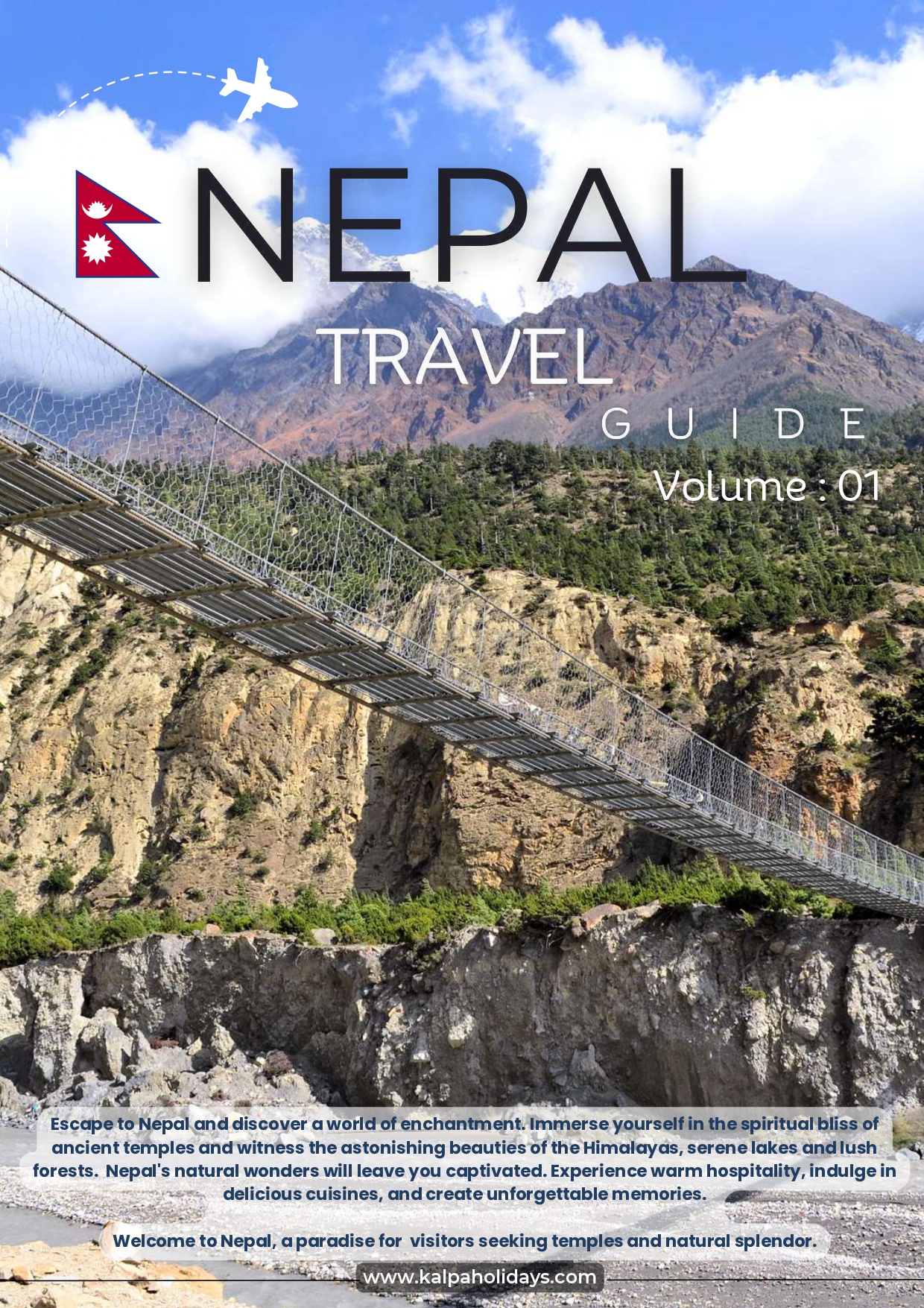
Nepal Travel Guide

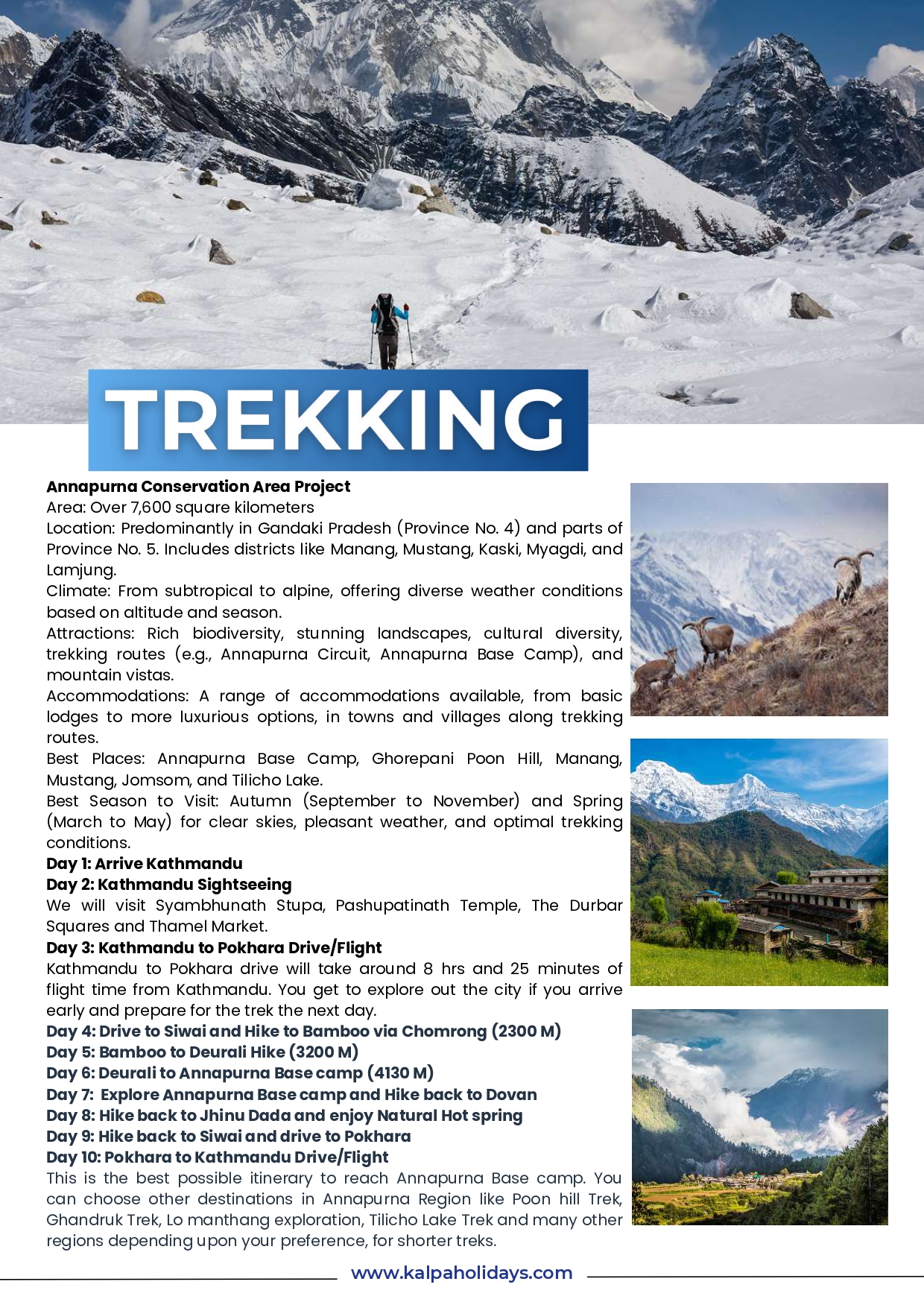
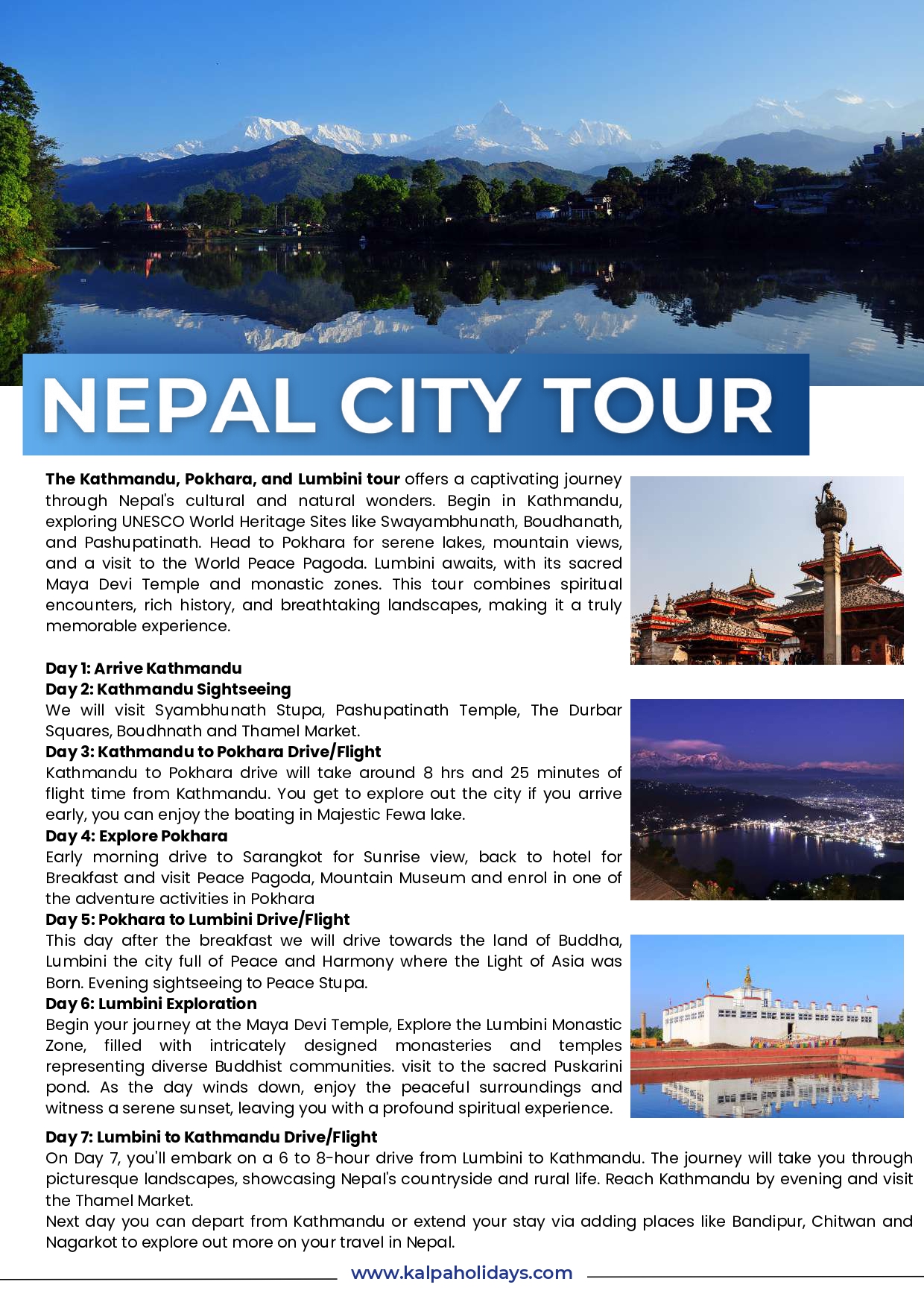
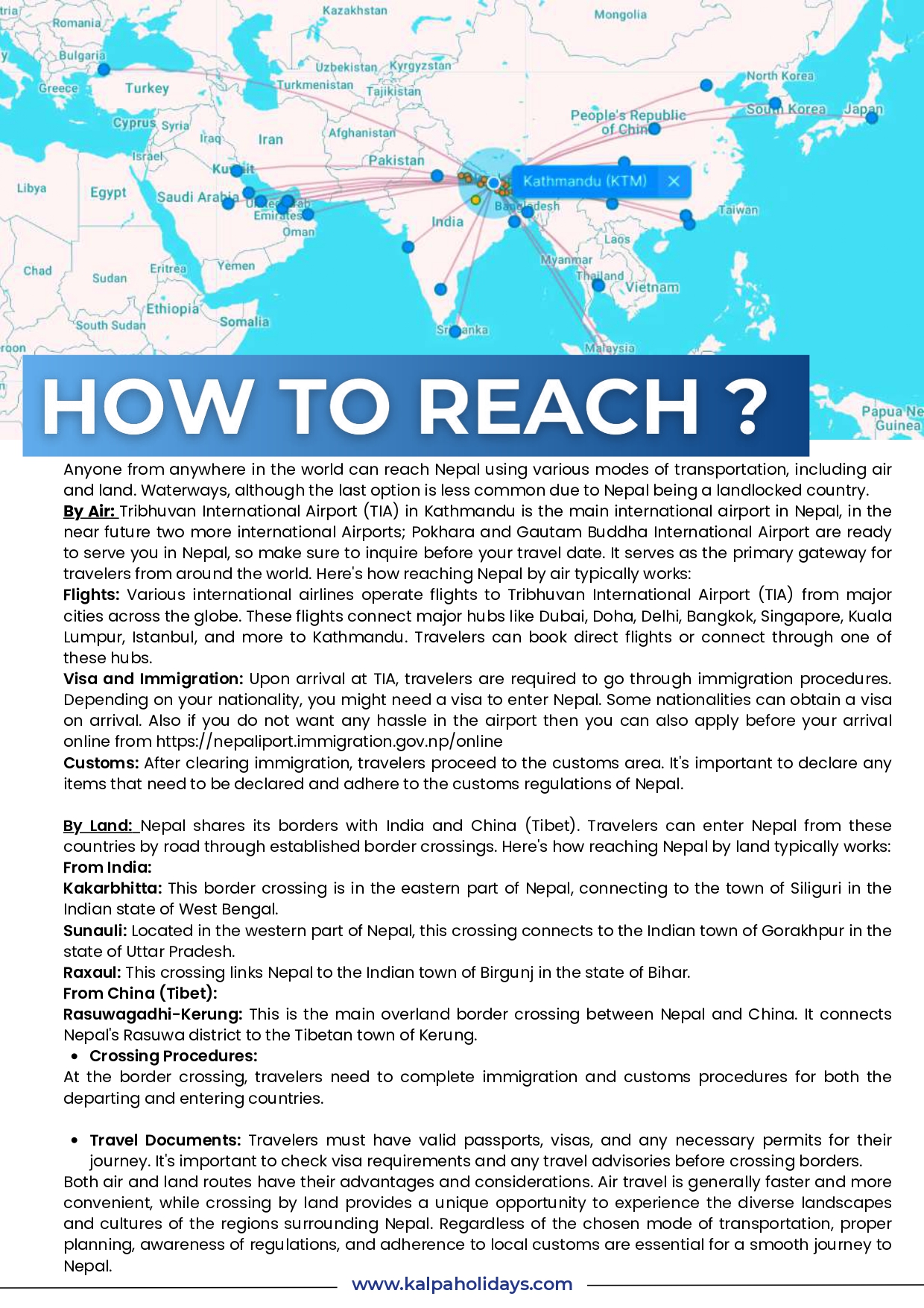
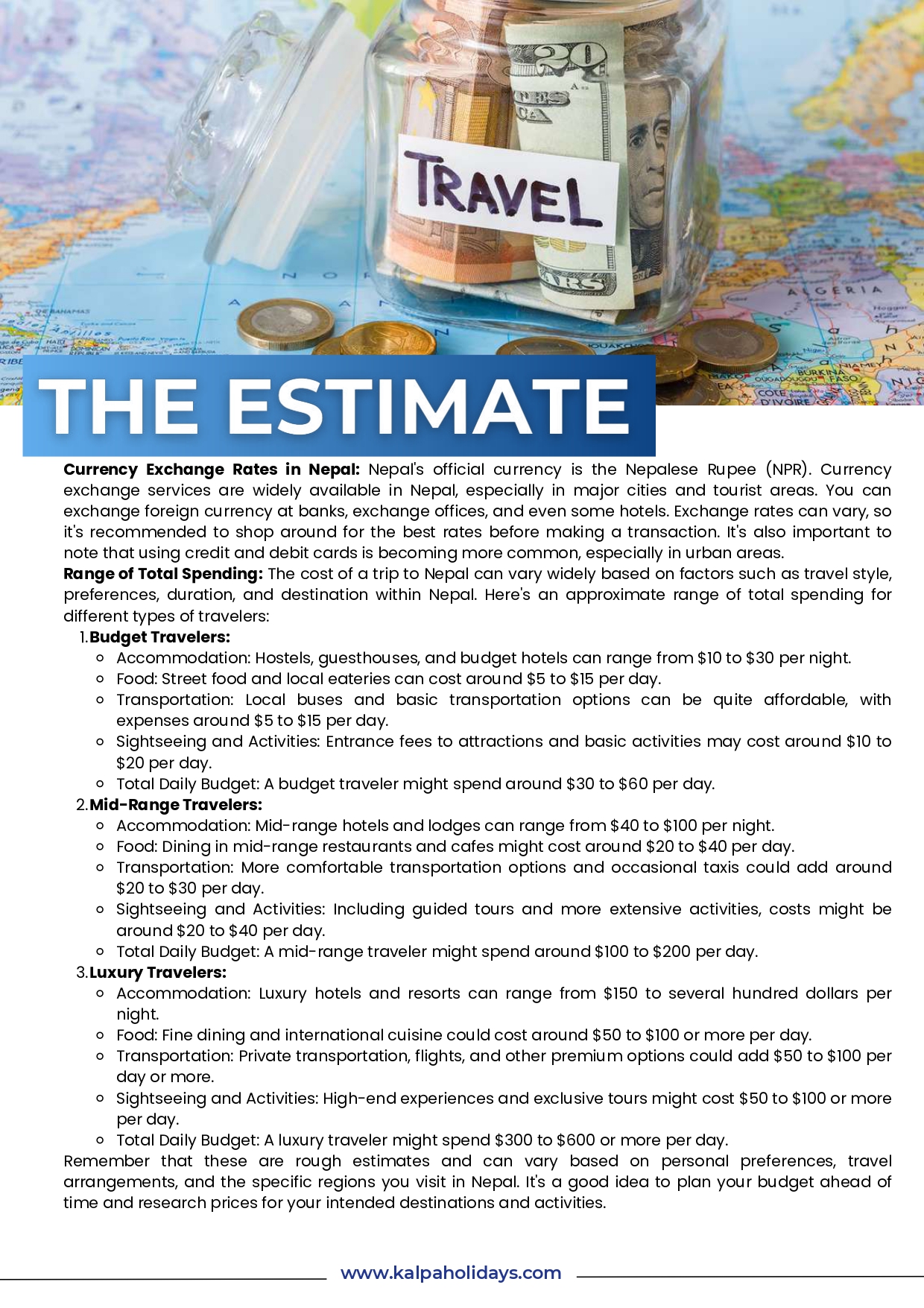
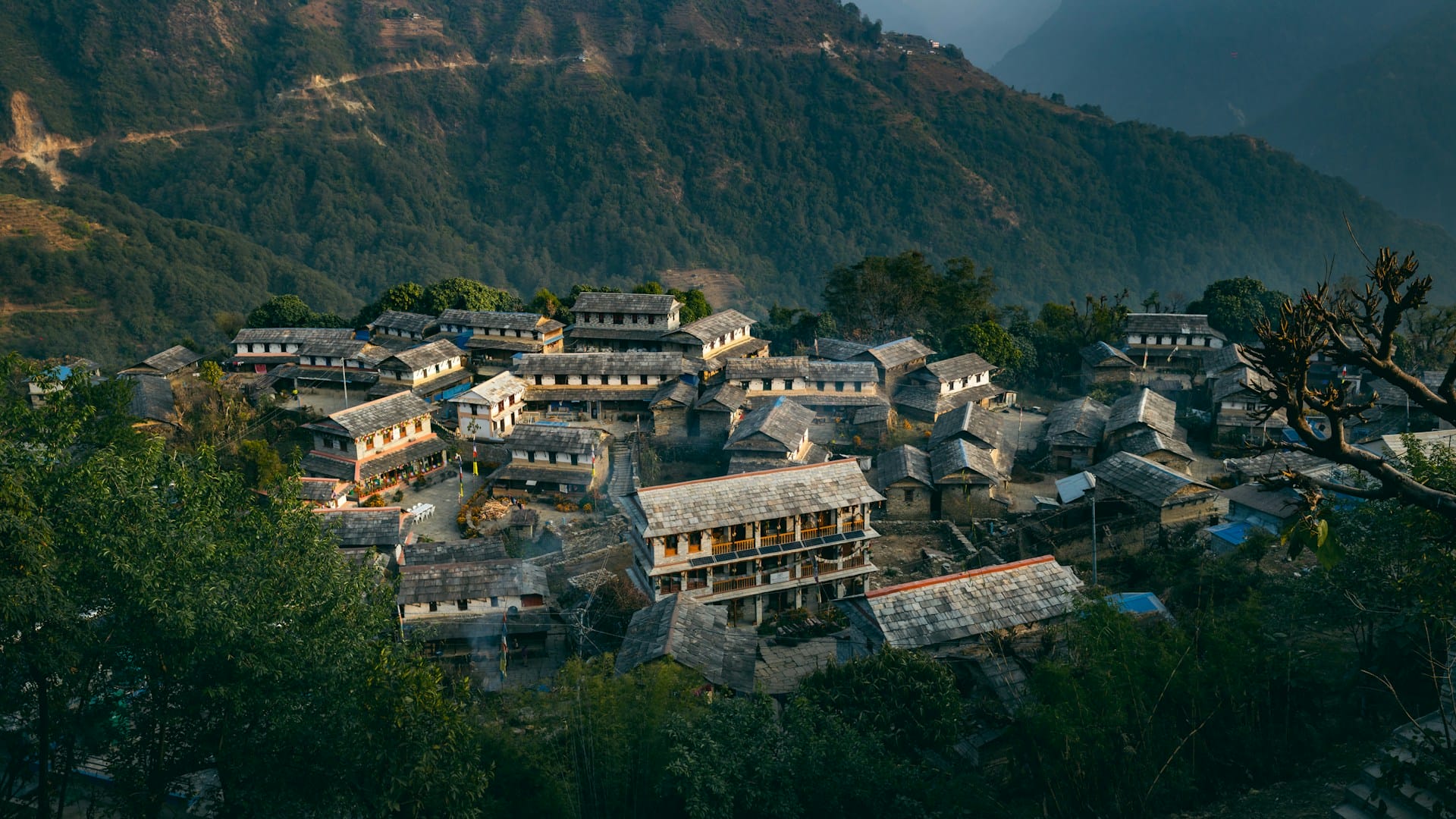
Ghandruk, a serene and picturesque village nestled in the Annapurna region of Nepal, is a hidden gem that calls to nature lovers, cultural explorers, and trekkers alike. A short trip to Ghandruk from Kathmandu is known for its awe-inspiring views of the snow-capped Himalayas and its rich Gurung heritage, Ghandruk offers a unique blend of adventure and tranquility.
For travelers starting their journey to Ghandruk from Kathmandu, this village provides an escape from urban hustle into the untouched beauty of Nepal’s mountain landscapes. This guide delves into everything you need to know about visiting Ghandruk from Kathmandu, from planning your trip and understanding the culture to exploring activities and practical travel tips.
Ghandruk is a charming hilltop village in the Kaski District, located within the Annapurna Conservation Area (ACA). Situated at an altitude of approximately 2,010 meters (6,600 feet), the village serves as an important hub for trekkers embarking on the Annapurna Base Camp (ABC) and Ghorepani Poon Hill treks.
The Gurung people, known for their valor as Gurkha soldiers, are the primary inhabitants of Ghandruk. Their unique traditions, festivals, and crafts have made the village a living museum of Nepalese culture. Visitors are often welcomed with open arms and treated to local delicacies, traditional dances, and stories of Himalayan lore.
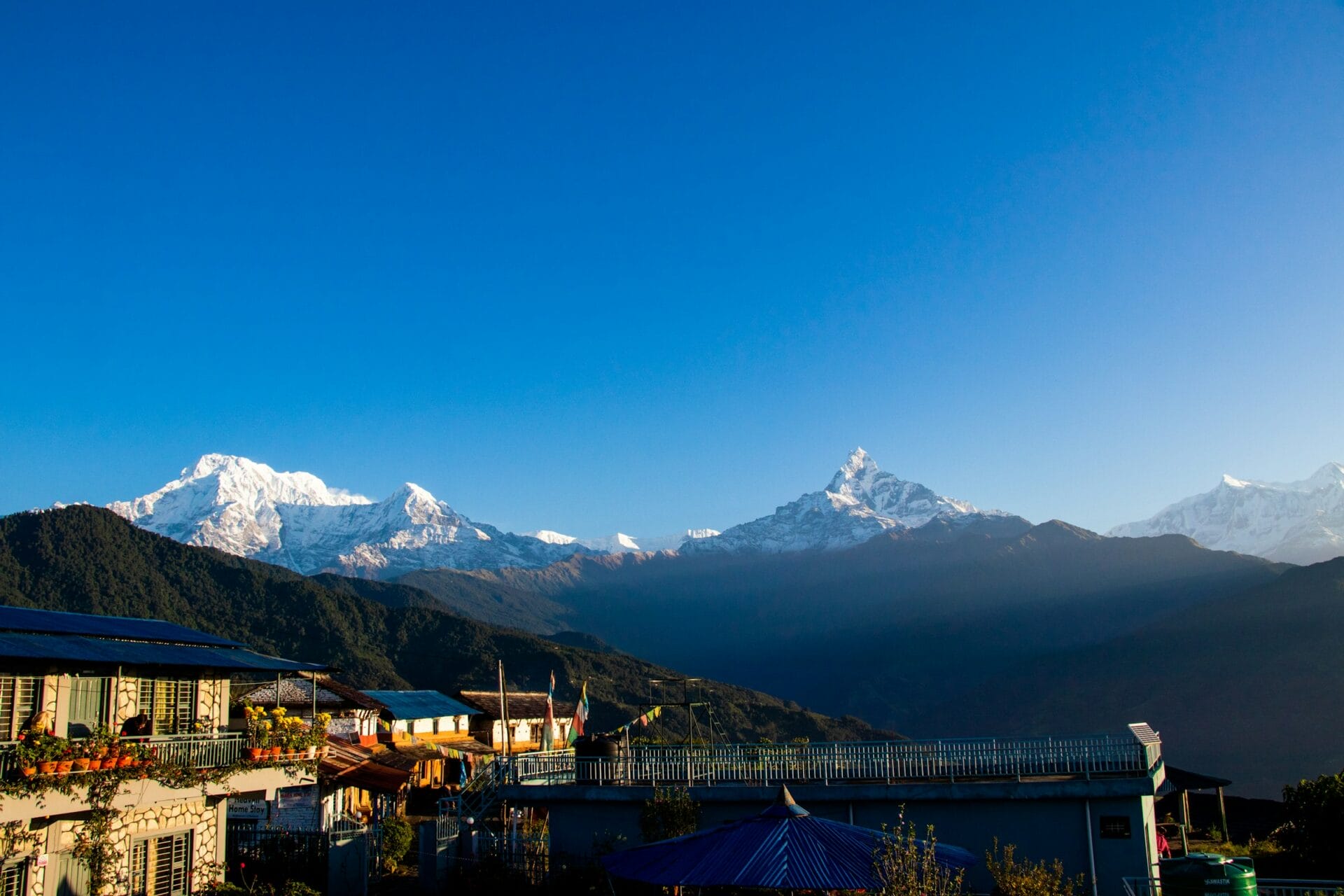
Reaching Ghandruk from Kathmandu involves multiple legs:
Once in Pokhara, the journey to Ghandruk can be completed via road and a short hike.
For those short on time or unable to trek, a direct jeep ride to Ghandruk is a convenient option. The rugged mountain roads provide a thrilling journey, with plenty of opportunities to admire the surrounding landscapes.
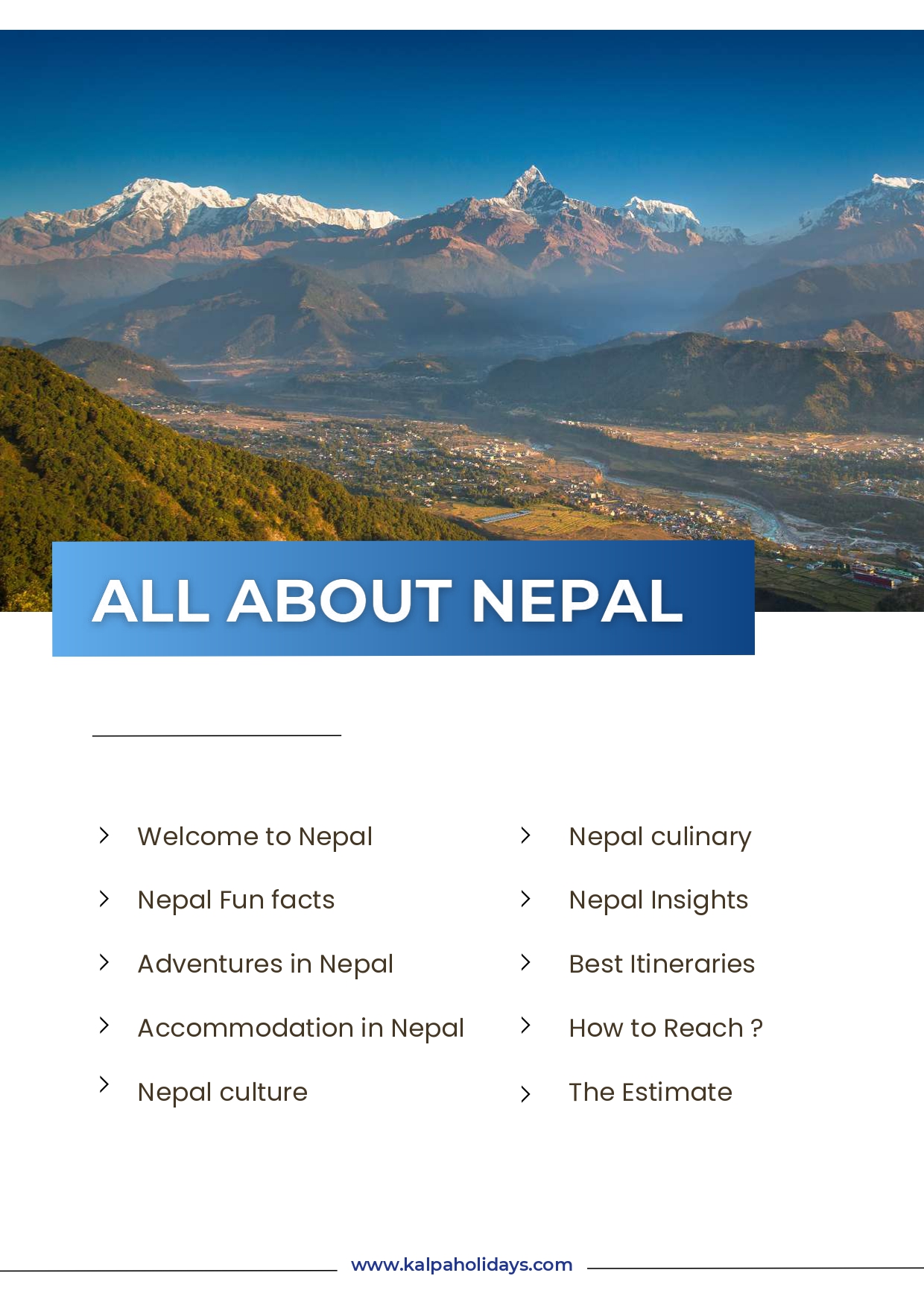
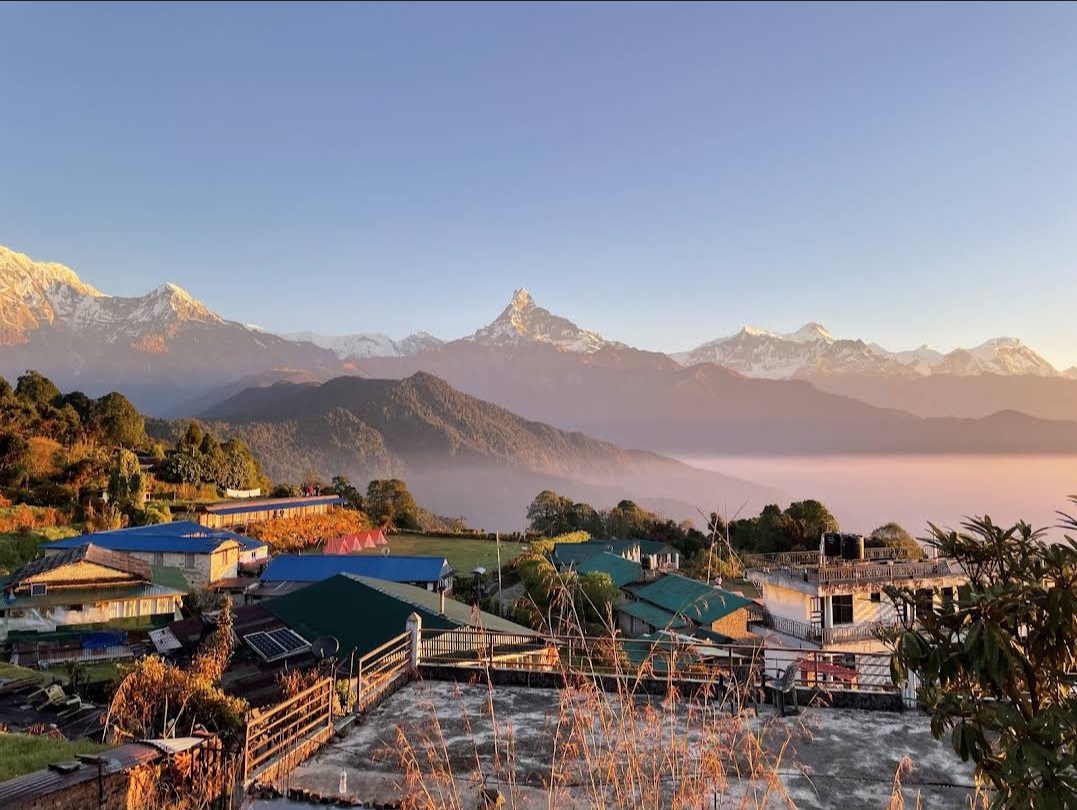
Ghandruk boasts panoramic views of Annapurna South (7,219 meters), Hiunchuli (6,441 meters), and Machhapuchhre (6,993 meters). These peaks dominate the skyline, creating a serene backdrop for the village.
The stone-paved lanes of Ghandruk, lined with traditional houses featuring slate roofs, offer a glimpse into the architectural heritage of the Gurung community.
As part of the Annapurna Conservation Area, Ghandruk is home to diverse flora and fauna. Rhododendron blooms in spring add vibrant colors, while the forests shelter exotic birds and butterflies.
Immerse yourself in Gurung traditions by attending cultural shows, learning about their daily life, and visiting the Gurung Museum.
The scenic landscapes and traditional village settings make Ghandruk a paradise for photographers. Short nature walks around the village lead to hidden streams, forests, and viewpoints.
Birdwatchers will delight in spotting Himalayan monals, redstarts, and other avian species unique to the region.
Savor traditional Nepali dishes like dal bhat, momos, and millet-based snacks. Locally brewed raksi (millet wine) is a must-try for those seeking an authentic culinary experience.
Spring (March–May): Rhododendrons in bloom, clear skies, ideal weather.
Autumn (September–November): Perfect visibility, cultural festivals, and mild temperatures.
Winter (December–February): Crisp views but cold nights—ideal for those seeking solitude.
Monsoon (June–August): Lush greenery, but slippery trails and leeches can be a challenge.
Ideal for first-time trekkers, families, and those short on time.
Offers easy access to the Annapurna region without long treks.
Rich Gurung culture and breathtaking mountain views in a short timeframe.
A perfect introduction to rural Nepal and Himalayan village life.
At Kalpa Holidays, we specialize in curating personalized travel experiences that cater to your needs. From organizing seamless transportation to offering expert-guided tours, we ensure every moment of your journey is memorable. Plan your Ghandruk trip from Kathmandu now
Ready to experience the magic of Ghandruk? Plan Your Adventure Now!
Nestled in the lap of the Himalayas, Pokhara is considered the crown jewel of Nepal’s tourism. Renowned for its pristine natural beauty, adventure activities, and serene lakeside ambiance, Pokhara offers something for every type of traveler. In 2023, Pokhara witnessed a significant influx of tourists, contributing to Nepal’s impressive 65.05% growth in total tourist arrivals. From exploring tranquil lakes to soaring high in the sky while paragliding, here are the top places to visit and things to do in Pokhara.
Phewa Lake, the second-largest lake in Nepal, is the heart of Pokhara’s tourism. Surrounded by lush forests and the towering Annapurna range, the lake offers picturesque views and a peaceful boating experience. In the middle of the lake, you’ll find Tal Barahi Temple, a small pagoda-style temple dedicated to the Hindu goddess Varahi. This is a must-visit spot for those looking to enjoy a tranquil atmosphere.
Located at an altitude of 1,600 meters, Sarangkot is a popular viewpoint known for its breathtaking sunrise and panoramic views of the Annapurna range, Dhaulagiri, and Machhapuchhre (Fishtail Mountain). This location is also famous for adventure activities such as paragliding, which offers a bird’s-eye view of the valley and the lake below.
Davis Falls, locally known as Patale Chhango, is a mesmerizing waterfall where the water mysteriously vanishes into an underground tunnel. Just opposite to the falls is the Gupteshwor Mahadev Cave, a revered site featuring a massive stalagmite considered a Shiva lingam. Exploring these attractions provides a unique experience of nature’s hidden secrets.

The World Peace Pagoda, perched atop a hill on the southern shore of Phewa Lake, is a symbol of peace and unity. Built by Japanese Buddhists, it offers a stunning view of the entire Pokhara valley, Phewa Lake, and the Himalayan peaks. A hike or a boat ride followed by a short trek is the best way to reach the stupa. You can also rent a scooter or car to explore by yourself for a short ride to the pagoda.
One of the oldest temples in Pokhara, Bindhyabasini Temple is dedicated to Goddess Durga. This religious site not only holds cultural significance but also offers a fantastic view of the surrounding landscapes. The temple’s peaceful ambiance makes it an ideal place for a spiritual retreat.
Nirmal Pokhari is a lesser-known destination near Pokhara that provides a unique blend of nature, culture, and rural charm. It is a perfect spot for those who wish to explore traditional Nepali village life away from the crowded tourist areas. Surrounded by terraced fields and quaint houses, Nirmal Pokhari offers beautiful views of the Annapurna range.
Pumdikot is gaining popularity due to the recently built gigantic Shiva statue, which stands tall at 108 feet. This statue is not just a place of worship but also offers panoramic views of the Annapurna and Dhaulagiri ranges. The site has become a new landmark in Pokhara for both tourists and locals alike.
For those looking to escape the crowds, Begnas Lake is a perfect alternative. Located around 15 km from Pokhara, this lake offers a peaceful retreat amidst nature. Visitors can enjoy fishing, boating, and interacting with locals to get a glimpse of rural life in Nepal. The calm waters reflect the surrounding hills, creating a mesmerizing view.
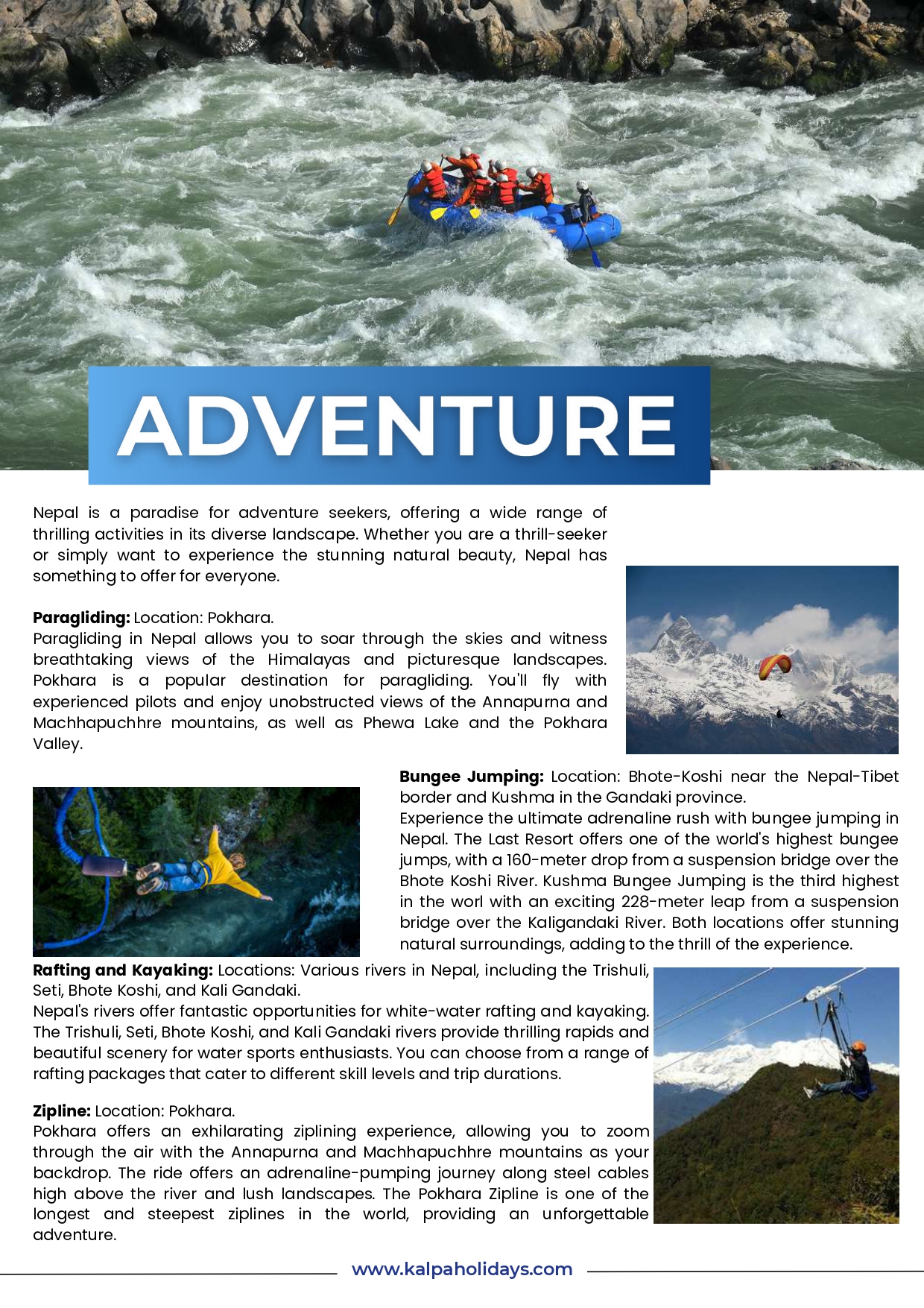
Pokhara is not just about scenic beauty; it’s also a hub for adventure activities. Some of the thrilling activities include:
The International Mountain Museum in Pokhara is dedicated to the mountains of Nepal, the mountaineers who have climbed them, and the people who call these regions home. Exhibits include photographs, artifacts, and information on the flora and fauna of the Himalayas.
Pokhara’s Old Bazaar and Tibetan Refugee Camp offer a glimpse into the traditional lifestyles of the people living in the region. Stroll through the bustling bazaar, known for its cultural significance, and visit the Tibetan Camp to see beautiful handicrafts and traditional artifacts.
Pokhara is a destination that truly offers a blend of natural beauty, adventure, and cultural experiences. Whether you’re seeking a thrilling adventure or a peaceful retreat, this vibrant city has it all. From the serene Phewa Lake to the spiritual Pumdikot Shiva Statue and the charming Nirmal Pokhari, Pokhara has numerous hidden gems waiting to be explored. Plan your trip to Pokhara with Kalpa Holidays and let us help you explore the best of Nepal’s adventure hub.
For more detailed travel plans, packages, and guidance, visit Kalpa Holidays and start planning your dream journey to Pokhara today!
Nepal, often referred to as the “Land of the Himalayas,” is a treasure trove for both adventurers and cultural explorers. Its unparalleled combination of towering peaks, ancient temples, diverse wildlife, and rich heritage makes it one of the most sought-after travel destinations in the world. Whether you’re seeking the thrill of trekking to Everest Base Camp or spend your Nepal Holidays in the serenity of Lumbini, the birthplace of Buddha, Nepal offers experiences that remain etched in memory.
In recent years, Nepal has seen a substantial recovery in tourism, welcoming over 1,014,882 visitors in 2023—a 65.05% increase from 2022. This surge highlights Nepal’s attractiveness not only for its mountains but also for its cultural, religious, and ecological diversity. In this comprehensive guide, we explore the trekking packages, holiday options, and what makes Nepal a must-visit for travelers worldwide.
Nepal’s geographical diversity, from the lowland plains to the highest mountains on Earth, offers a unique blend of adventure and tranquility. The country boasts 8 of the world’s 10 highest peaks, including Mount Everest. This diverse landscape is home to some of the best trekking routes in the world, from the strenuous Everest Base Camp Trek to the more leisurely Annapurna Circuit.
But Nepal is not just for trekkers. The country offers profound cultural experiences in cities like Kathmandu, Bhaktapur, and Patan, where UNESCO World Heritage sites such as Pashupatinath, Swayambhunath, and Durbar Squares reveal Nepal’s ancient history and religious significance. Travelers can explore centuries-old temples, vibrant local markets, and rich traditions that showcase the cultural vibrancy of Nepal.
Tourism plays a significant role in Nepal’s economy, contributing over US$ 548 million in foreign exchange earnings in 2023. The government has placed increasing emphasis on promoting sustainable tourism practices, making Nepal an eco-friendly destination for global travelers. The average length of stay for tourists in Nepal in 2023 was 13.2 days, allowing ample time for exploring trekking routes and cultural landmarks.
Tourism-related enterprises have also grown. Nepal now boasts over 182 star hotels, 1,416 non-star hotels, and a network of over 5,000 travel and trekking agencies. This infrastructure supports tourists looking for luxury, budget accommodations, and personalized trekking experiences.
Nepal offers a wide range of experiences to cater to all types of travelers. For adrenaline junkies, the country offers adventure sports like paragliding in Pokhara, white-water rafting on the Trishuli River, and bungee jumping in Bhote Koshi. For those seeking relaxation, spiritual journeys to the monasteries of Lumbini or the scenic vistas of Nagarkot offer a peaceful retreat.
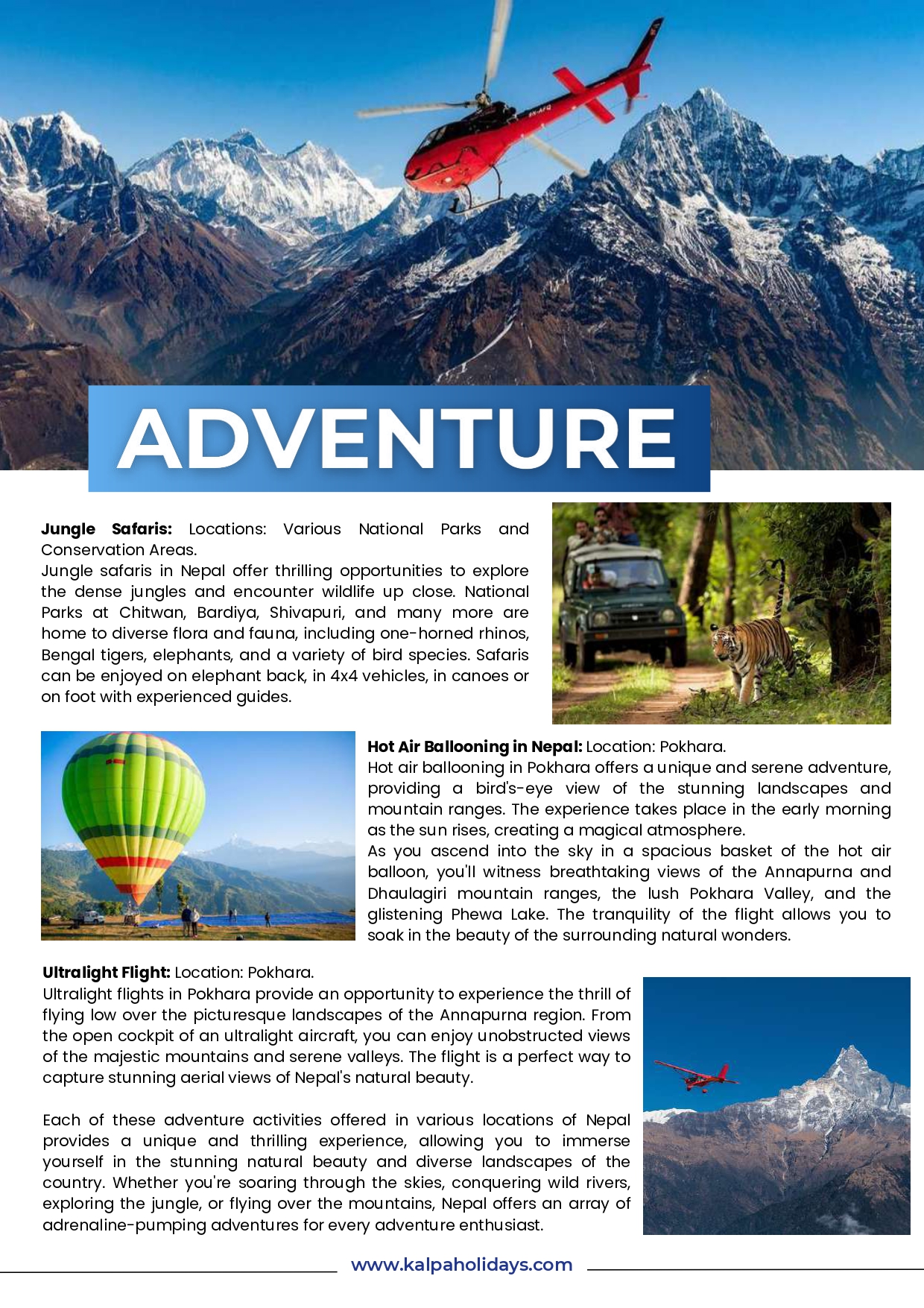
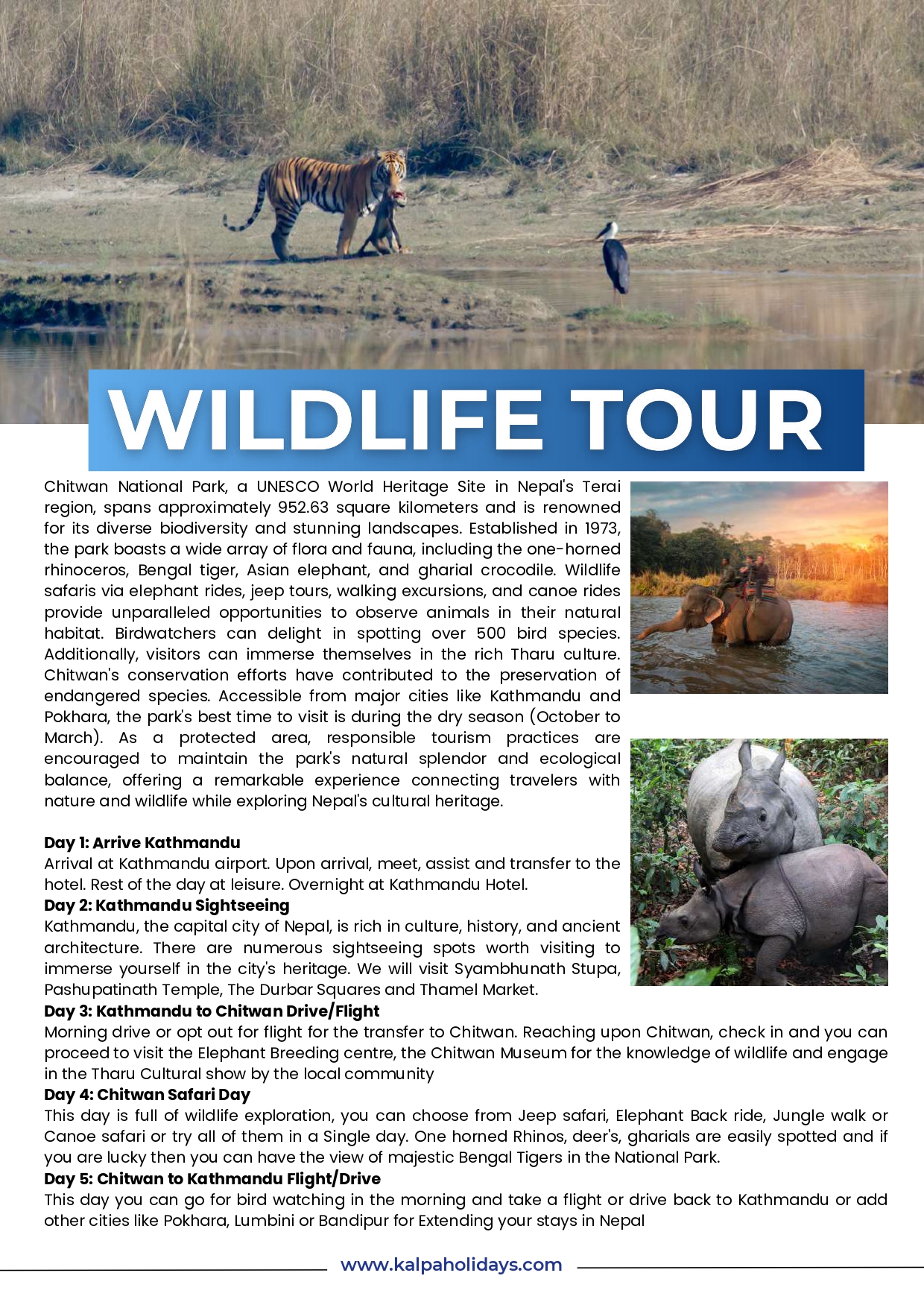
Wildlife enthusiasts can enjoy safaris in Chitwan National Park, home to endangered species like the one-horned rhinoceros and Bengal tigers. For families, luxury lodges and easy treks make Nepal a suitable destination for all ages.
Nepal is renowned for its trekking trails, which attract adventurers from across the globe. Here are three of the most iconic trekking routes, each offering a distinct experience.
The Everest Base Camp (EBC) trek is perhaps the most famous trekking route in the world. It provides an up-close experience of the world’s highest peak—Mount Everest (8,848 meters)—and offers a unique blend of physical challenge, natural beauty, and cultural insight. The trail, which typically takes 12-14 days, leads trekkers through Sherpa villages, ancient monasteries, and dense forests. The journey to base camp, standing at an altitude of 5,364 meters, is an achievement in itself, with views that include not only Everest but also other majestic peaks like Lhotse, Nuptse, and Ama Dablam.
Difficulty: Challenging (suitable for experienced trekkers) Best Time to Visit: March to May, September to November
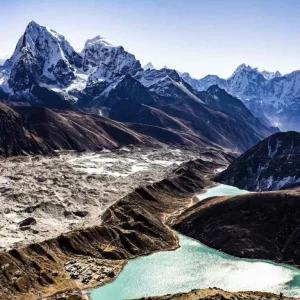
The Annapurna Circuit is another iconic trek in Nepal, known for its diverse landscapes and cultural richness. This trek offers trekkers an opportunity to experience everything from subtropical forests to alpine terrains. The route takes trekkers through a variety of ethnic villages, showcasing the cultural diversity of Nepal. One of the highlights is the crossing of the Thorong La Pass (5,416 meters), one of the highest mountain passes in the world. The trek typically takes 15-20 days.
Difficulty: Moderate to Difficult Best Time to Visit: March to May, September to November
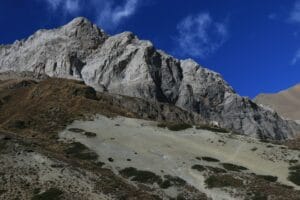
The Langtang Valley trek is a less crowded but equally rewarding alternative to the Annapurna or Everest regions. Situated close to Kathmandu, this trek provides stunning views of the Langtang Himalayas and the chance to explore traditional Tamang villages and Buddhist monasteries. Langtang is also home to the Langtang National Park, where trekkers might spot red pandas, Himalayan black bears, and other wildlife. The trek typically takes 7-10 days and is perfect for those with limited time but seeking a serene trekking experience.
Difficulty: Moderate Best Time to Visit: March to May, September to November
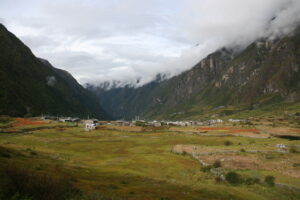
Trekking in Nepal is an experience that requires careful planning and preparation. Trekking packages generally include the following:
Hiring a local guide and porter is highly recommended. Certified guides are familiar with the terrain, culture, and safety protocols, ensuring a smooth trekking experience. Porters assist with carrying luggage, leaving trekkers free to enjoy the journey without being burdened by heavy loads. The 2023 statistics show that Nepal employed over 26,292 licensed trekking guides, contributing to both local employment and tourism management.
Most treks require permits, including the TIMS (Trekkers’ Information Management System) and national park or conservation area permits, depending on the route. Accommodations are typically in tea houses or lodges, which provide basic but comfortable facilities along the trekking trails. Meals, usually including Dal Bhat (lentil soup with rice), are provided, giving trekkers a taste of local Nepali cuisine.
Trekking packages can be tailored to suit various needs, from family-friendly hikes to high-altitude expeditions. Many travel companies, like Kalpa Holidays, offer flexible itineraries and packages that can be customized based on time, budget, and fitness level.
Nepal is not just a trekking destination. Its vast array of experiences, ranging from adventure to relaxation, ensures that travelers of all types can find something suited to their interests.
The lowland jungles of Nepal, particularly in Chitwan National Park and Bardia National Park, offer thrilling wildlife safaris. Visitors can embark on jeep safaris or canoe rides to spot endangered species such as the one-horned rhinoceros, Bengal tigers, and gharial crocodiles. Nepal’s commitment to conservation has made these parks globally recognized for their eco-tourism efforts, with over 300,875 visitors to national parks and wildlife reserves in 2023.
For those interested in Nepal’s spiritual and cultural heritage, there are numerous cultural tours available. The Kathmandu Valley is home to 7 UNESCO World Heritage sites, including Pashupatinath Temple, Swayambhunath (Monkey Temple), Boudhanath Stupa, and Durbar Square. Pilgrimage tours to Lumbini, the birthplace of Buddha, are also popular, especially for religious tourists from countries such as India and Sri Lanka. In 2023, Lumbini saw over 85,232 visitors from third countries.
Nepal is an adventurer’s paradise, offering a range of activities beyond trekking. White-water rafting in rivers like the Trishuli and Seti, paragliding in Pokhara, bungee jumping in Bhote Koshi, and mountain biking in the Annapurna region are just a few of the thrilling activities available.
For those seeking a more relaxed experience, Nepal offers luxury and honeymoon packages that combine adventure with comfort. Luxury lodges in places like Nagarkot, Pokhara, and Dhulikhel provide stunning mountain views, while spa resorts offer relaxation and rejuvenation.
The best time to visit Nepal largely depends on the activities you plan to pursue. For trekking, the autumn (September to November) and spring (March to May) seasons are ideal, offering stable weather, clear skies, and breathtaking mountain views.
With the rise in tourism comes the need for responsible and sustainable practices to preserve Nepal’s natural beauty and cultural heritage. Here are some ways to ensure you’re traveling responsibly in Nepal:
Adhering to the principles of “Leave No Trace” is essential. Avoid littering, minimize plastic waste, and ensure that you pack out all trash. The mountains of Nepal are pristine, and keeping them that way is vital for future generations.
When trekking, staying at local tea houses and employing local guides and porters can directly benefit the communities that host you. Nepal has over 5,000 licensed tourist guides, many of whom depend on trekking tourism for their livelihood.
Nepal is home to a rich array of cultures, traditions, and religions. Be mindful of local customs, especially when visiting religious sites or staying in remote villages. Always ask for permission before taking photographs of people or religious ceremonies.
Nepal offers a unique mix of adventure, culture, and natural beauty that few destinations can rival. Whether you’re trekking to Everest Base Camp, exploring the temples of Kathmandu, or enjoying a wildlife safari in Chitwan, Nepal has something for everyone. The country’s commitment to sustainable tourism ensures that travelers can experience its wonders while also contributing to its preservation.
With a variety of holiday and trekking packages available, now is the perfect time to explore Nepal. Whether you’re a seasoned adventurer or a first-time visitor, Kalpa Holidays offers personalized itineraries to make your Nepal journey unforgettable.
For more details on trekking and holiday packages, visit Kalpa Holidays.
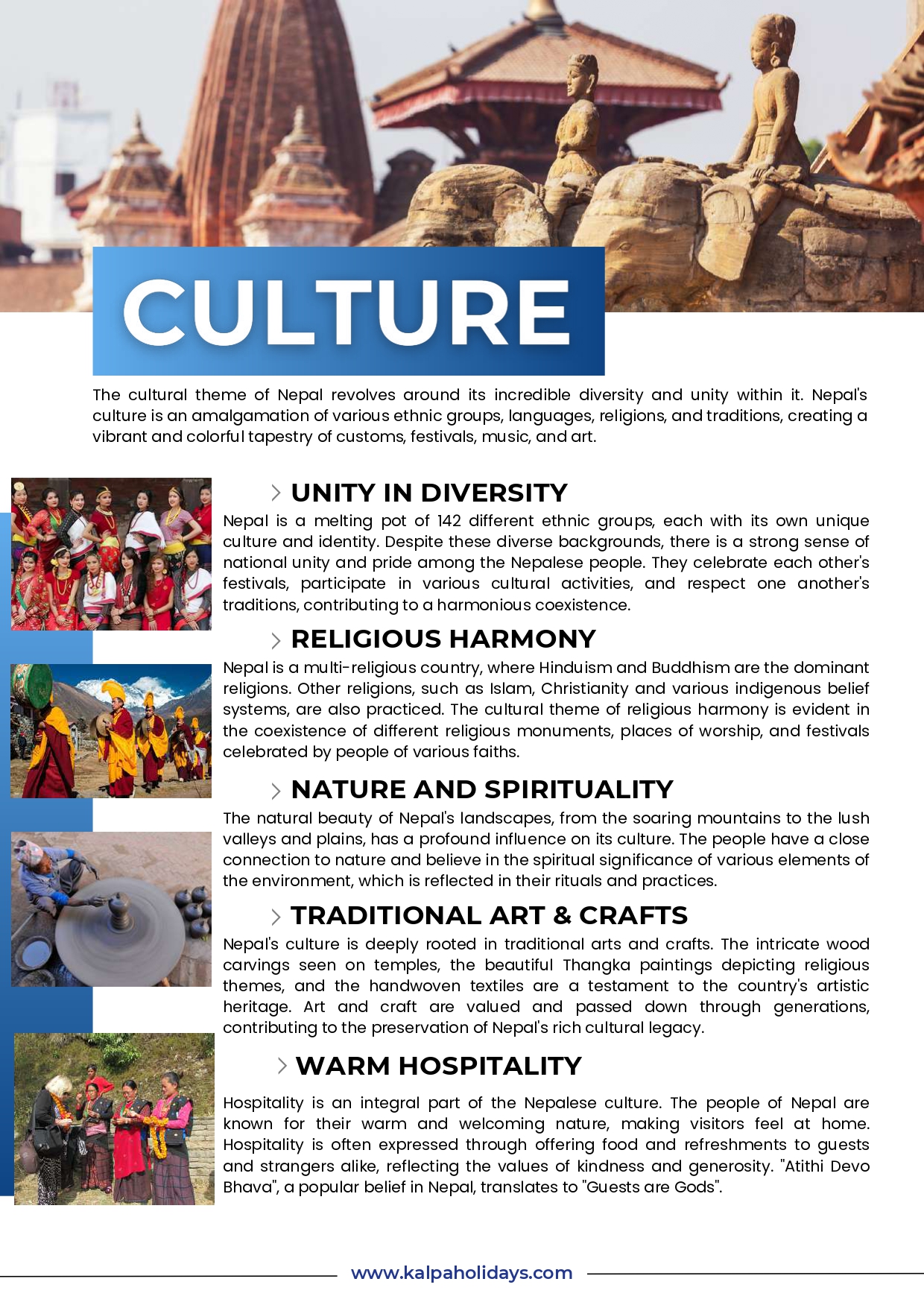
Nepal – A Paradise travel destination. Nepal is a mecca for outdoorsy travelers offering the best trekking opportunities in Asia. Best-known for the Himalayas with Mount Everest as the star attraction, the country offers more than just the world’s tallest peak, whether it’s the highlands with dramatic landscapes, Majestic Himalayas, distinctive ethnic groups, age-old traditions, Golden temples, Charming Hill village, rich biodiversity or Asia’s best wildlife, topped with the impossibly friendly and welcoming people in the world; Nepal celebrates its diversity with utmost pride.
The country is home to the world’s highest mountains, medieval cities studded with ancient monuments, 10 UNESCO World Heritage Sites, ancient Hindu and Buddhist shrines and lush tropical jungles (home to endangered species like the Royal Bengal tigers and the one-horned rhinoceros). The Himalayan rivers fed by the mountain glaciers are ideal for white water rafting, kayaking, canoeing etc. One can also indulge in other adventures like bungee jumping, mountain biking, paragliding, mountain flights, wildlife safari and many more.
A rare place on earth where you can find religious harmony with mutual respect for one another’s beliefs and personal space. Nepal is a country so expansive in its variety that it outshines the notion of big and small, a country so beautiful that you will keep coming back for more. No doubt, in Nepal – Once is not Enough.
Nepal – a landlocked country located in South Asia squeezed between India and Tibet, home to the highest mountain range in the world, as well tropical lowland plains in the south. The elevation of the country ranges from 60m above sea level to the highest point on earth 8,848 m, all within a distance of 150 km resulting into climatic conditions from sub-tropical to Arctic. For a country that covers just 0.01% of earth’s land surface area, it offers the sheer diversity of nature.
The Great Himalaya Range, ranging in elevation from 14,000 to more than 29,000 feet, contains many of the world’s highest peaks, icy glaciers and mountain lakes and some of the most rugged and difficult mountain terrain in the world. Roughly 75 percent of the country is covered by mountains. Several national parks and wild life reserves protect the diverse mountain ecology of this region.
The Hilly region, soars to touch mountain regions at an altitude of 600 m almost perpendicular altitude of more than 4,000 feet covering 68 percent of total land area. Formed by the Mahabharata range to 4700 m height, region is heavily urbanized with decision-making power centralized in Kathmandu, the nation’s capital. The hill landscape is both a natural and cultural mosaic, formed by beautiful valleys like Kathmandu and Pokhara which is now famous for its fascinating lakes in Pokhara Fewa, Begnas and Rupa.
The lowland Terai, the flat river plain of the Ganges with a belt of marshy grasslands, savannas, and forests, occupies about 17 percent of the total land area of the country commencing at about 300 meters above sea level and rising to about 1,000 meters at the foot of the Siwalik Range. This region that in the past contained malaria-infested, thick forests, commonly known as char kose jhadi (dense forests approximately 12 kilometers wide) also was used as a defensive frontier by Nepalese rulers. Pilgrimage destinations of Lumbini, Janakpur and Barahashettra lie in this region. Nepal’s four national parks and wildlife reserves, including Chitwan National Park, Koshi-Tappu Wildlife Reserve and Bardia National Park, are located in this region. Within this maze of mountains, hills, ridges, and low valleys, elevational changes resulted in ecological variations.
Throughout its entire history, the country has witnessed wars of succession, conflict and frequent periods of instability. Nepal’s history dates back to the time of 4th century, the first civilizations in Nepal, which flourished around the 6th century B.C., were confined to the present day capital, Kathmandu Valley. The Mongoloid people are the first known rulers of the Kathmandu Valley.
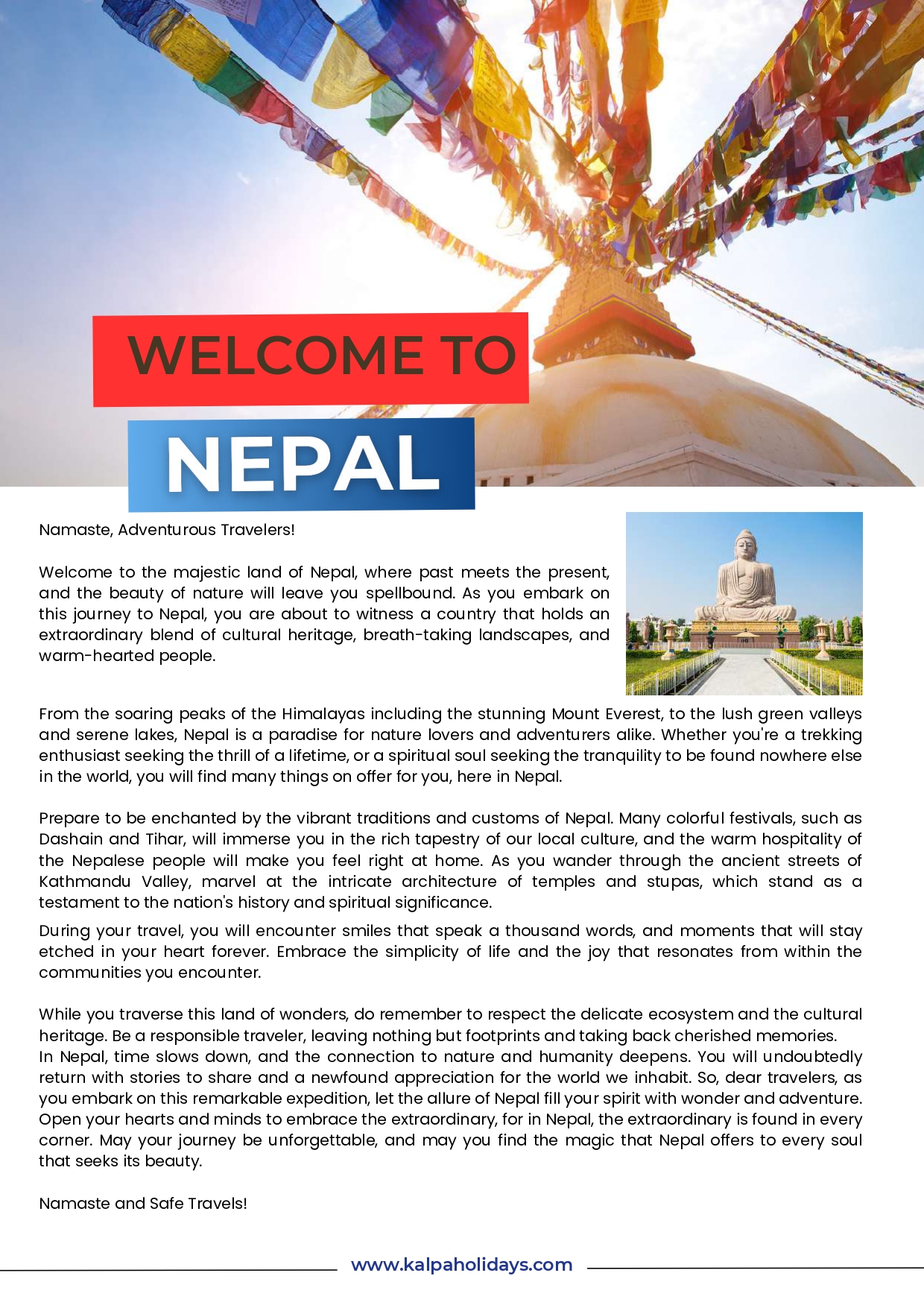
Later in the 6th century BC, Prince Siddhartha Gautama was born into the Shakya royal family of Kapilavastu embarking on a path of meditation and thought that led him to enlightenment as the Buddha. The religion that grew up around him continues to shape the face of Asia. Between the 4th and 8th centuries, the Licchavis dynasty reasserting Hinduism ushered in a golden age of cultural brilliance. The chaityas (stupas) and monuments of this era can still be seen at the Changu Narayan Temple, north of Bhaktapur, and in the backstreets of Kathmandu’s old town.
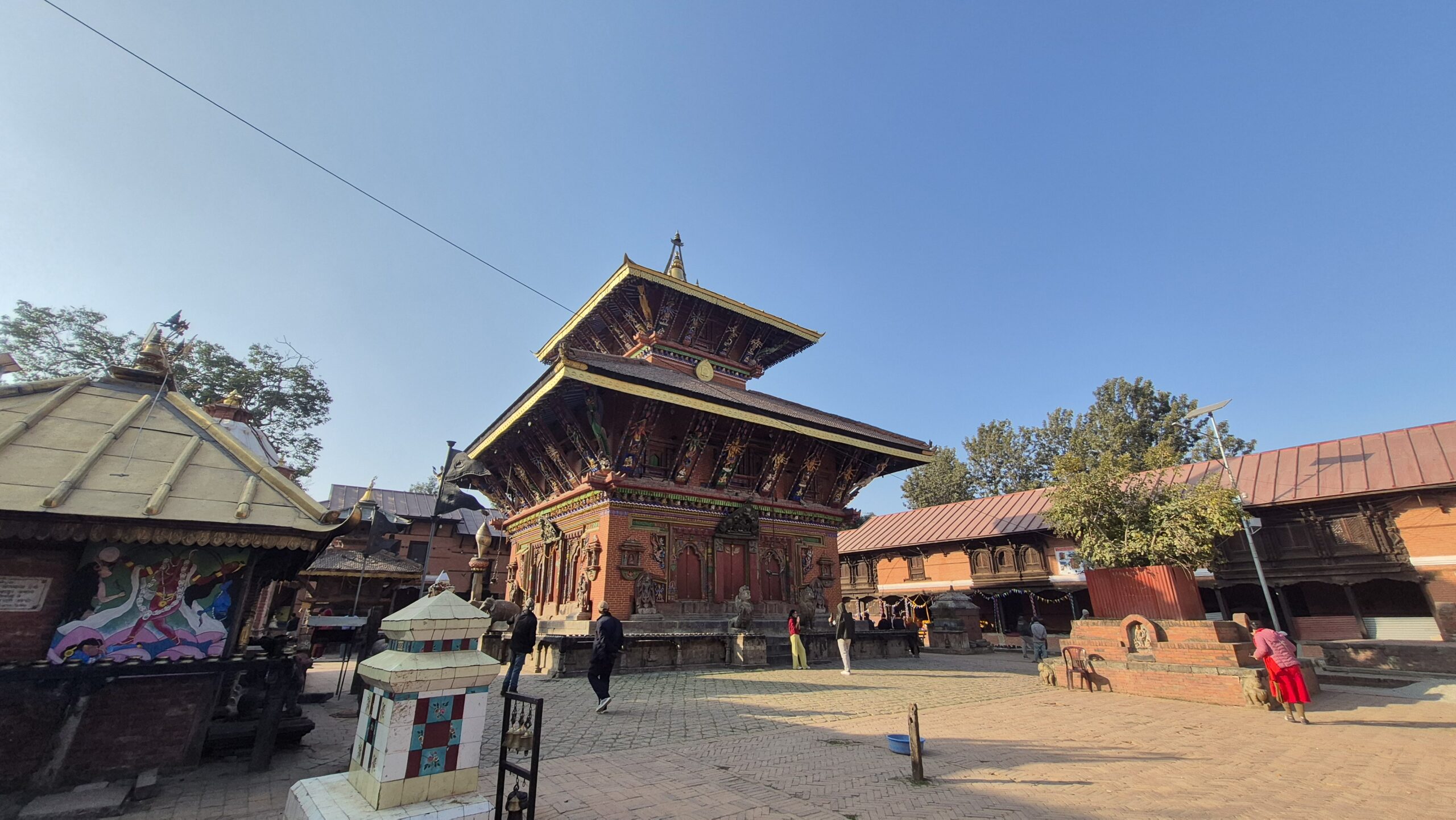
Taking over this dynasty came over the rule of Mallas, this period was a golden one that stretched over 550 years. During this period, the Kathmandu Valley was divided up among his sons into the three kingdoms of Bhaktapur (Bhadgaon), Kathmandu (Kantipur) and Patan (Lalitpur) where rivalry between the three kingdoms found its expression in the arts and culture, which flourished in the competitive climate.
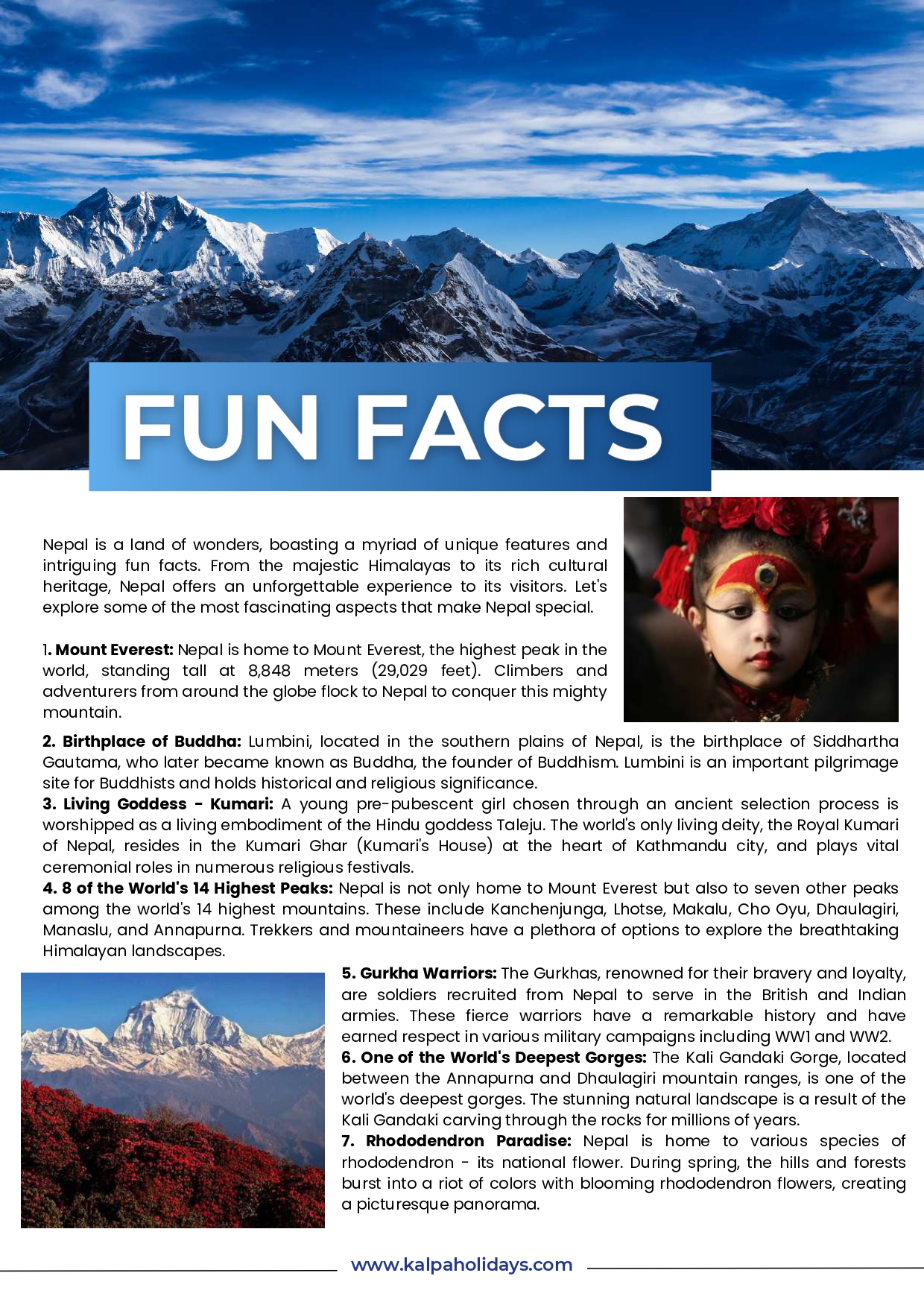
The outstanding collections of exquisite temples and buildings in each city’s Durbar Square are testament to the huge amounts of money spent by the rulers to outdo each other. The Malla era shaped the religious as well as artistic landscape, introducing the dramatic chariot festivals of Indra Jatra and Machhendranath. The Malla kings shored up their position by claiming to be reincarnations of the Hindu god Vishnu and establishing the cult of the kumari, a living goddess whose role it was to bless the Malla’s rule during an annual celebration.
By 1768 Prithvi Narayan Shah, ruler of the tiny hilltop kingdom of Gorkha, fought off reinforcements from the British East India Company, in 1769 he advanced on the three Malla kings, ending the Malla rule and unifying Nepal. After the death of Prithivi Nayaran Shah, the ranas took over the kingdom and The hereditary family of Rana prime ministers held power for more than a century, later in the 90’s King Tribhuvan of Shah dynasty claimed the political immunity established a new government. After a few hereditary rule a horrific tragedy wiped out the entire royal family of Nepal including King Birendra and Queen Aishwarya along with most of their closest relatives.
Prince Dipendra was crowned as King while he was on coma stage, later he died in hospital bed. After the death of Diepndra, Gyanendra Shah, late King Birendra’s brother, succeeded as the King of Nepal. King Gyanendra Shah was dethroned in 2006 by a decade long People’s revolution led by communist party of Nepal (Maoist) and several weeks of protest by major political parties and established Federal Democratic Republic of Nepal.
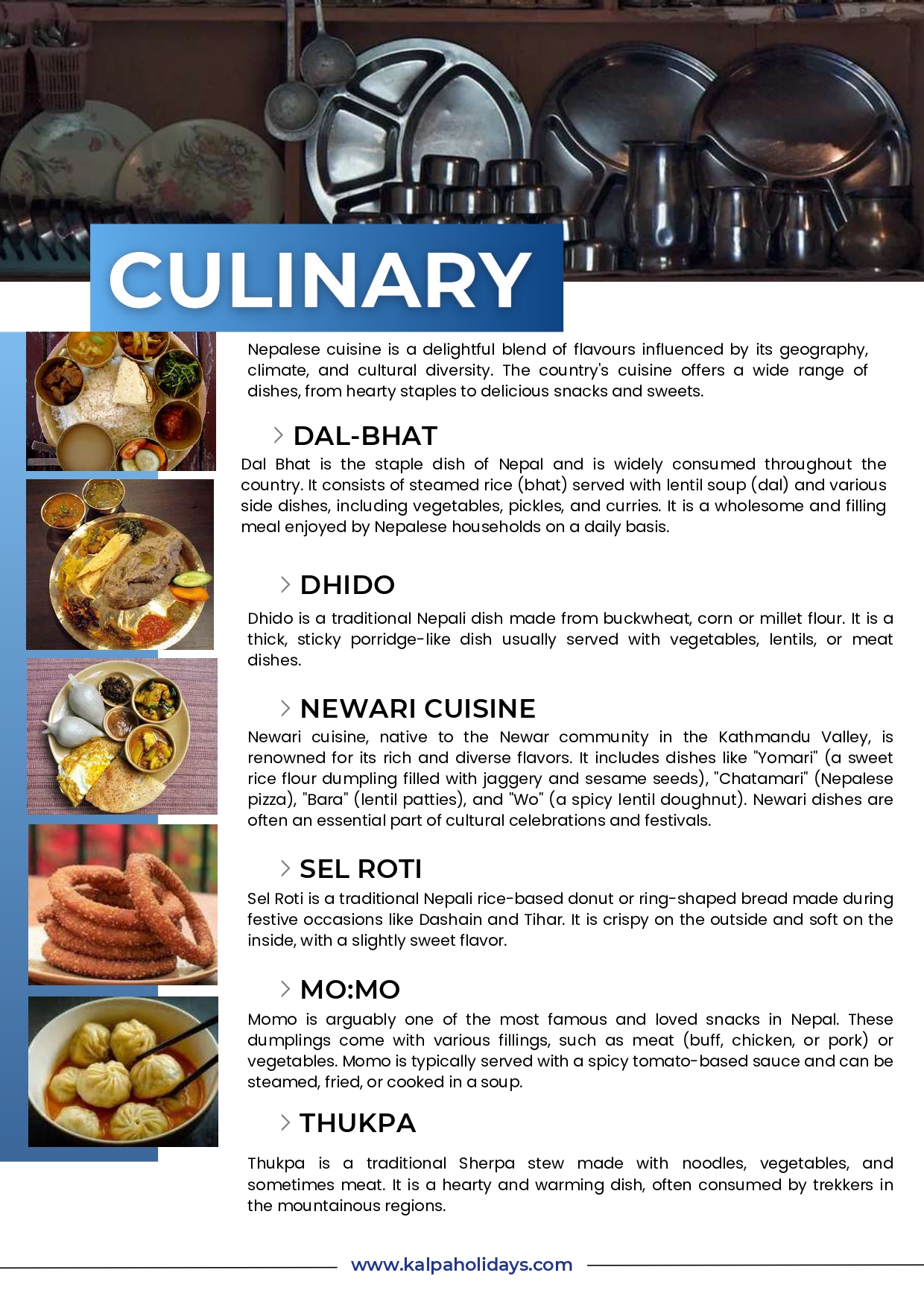
Nepal is home to over 26 million people. Nepal is a multi-ethnic and multilingual country with 125 castes with their own ethics and rituals. The distinction in caste and ethnicity is understood easily with a view of customary layout of the people. The country is also known as “Land of Sherpas”. People from Mongol community including Sherpas also known as Tibetan speaking groups are the inhabitants of the northern region of the Himalayan region. Lopas in the Lower and Upper Mustang region. Their lifestyles are similar to the Tibetans, who believe mostly in Buddhism.
The Middle hill region is populated mostly by the ethnic communities like Tamang, Gurung, Magar, Thakali along with Brahmins and Chhetris. Gurungs and Magars in the western hilly region; Rais, Limbus and Sunwars in the eastern mid hills. Annapurna and Mustang areas are mainly covered by Thakali, Pun and Mongolian people. The Kathmandu Valley is primarily a home for the ethnic Newar community, but it is a melting pot in the recent context of various castes and social groups.
Tharu, Yadavas, Satar, Rajvanshis and Dhimals people are the indigenous groups in the Terai region, but it has been a mixed society after people from different caste emigrated there from the middle hills. And Brahmins, Chhetris and Thakuries are generally spread over all parts of the country.
There are 70 different languages that are spoken in Nepal that could even be called dialects. Though different groups and races have their own languages, Nepali is the national language and understood by most of Nepalese people but the speaking style might be different in the different parts of the country. The more you travel around Nepal, the more you will get the chance to meet speakers of these languages.
Nepal’s climate, influenced by elevation as well as by its location in a subtropical latitude ranging from tropical to arctic. With a range of 60 m to 8848 m above the sea level in altitude, there is a great variety of climates and weathers in Nepal. In the northern Himalayan region with altitudes above 16,000 feet the temperature is always below freezing and the surface covered by snow and ice. An average temperature drop of 6°C occurs for every 1,000 m gain in altitude. The summers are usually temperate in the lower parts of this region while the winters can go below sub-zero.
The midlands are pleasant throughout the year with average summer and winter temperatures of 19 °, C – 35 ° C and 2 ° C – 12 ° C respectively.
The word terai, a term presumed to be derived from Persian, means “damp,” and it appropriately describes the region’s humid and hot climate. In the Terai, summer temperatures exceed 37° C and higher in some areas, winter temperatures range from 7°C to 23°C. In mountainous regions, hills and valleys summers are temperate. Eighty percent of the precipitation is received during the monsoon (June-September). Rainfall is ample in the eastern portion of the Tarai (which receives from 70 to 75 inches a year) but the western portion of Nepal (receiving from 30 to 35 inches a year) is drier.
Nepal is a four-season destination, and the sky’s the limit. Nepal’s weather is generally predictable and pleasant. The four seasons are:
Winter (December – February)
High passes, especially the Thorong-la pass on the Annapurna circuit trekking, Ganjala pass, Chola Pass, Renjola Pass, Khongmola pass, Lauribina pass, Gosaikunda pass are usually closed. Short treks and some Tea Houses treks like Ghandruk Ghorepani trek, or Chisapani Nagarkot trek in the middle hills are the best at this time. Down in Kathmandu, the weather is chilly in the mornings and evenings. This season can prove to be very adventurous for travel and trekking as requires a lot of preparation to experience the harsh Himalayan winter. Besides, if you can tolerate extreme cold then mountains are always calling you.
Spring (March – May)
Spring is the second preferable season for traveling to Nepal. The temperature is mildly warm in low lands while moderate in higher altitudes with plenty of opportunities to have a rendezvous with the mountain views. Especially in the Himalayas, the scenario of the fully bloomed Rhododendron forests is exquisite. The mornings are bright and refreshing in this season. Occasional rainfall and thundering is, however, a possibility. This season doesn’t encounter much snow, making the Himalaya trails easier for trekkers. Spring is also the best time to do a jungle safari in Chitwan National Park, giving you the best chances of spotting Rhinos, Elephants, Tigers, Monkeys etc.
Summer (June – August)
Summer is the monsoon of Nepal however the lower regions can get rather dusty. Monsoon in Nepal is not the typical monsoon of Asia. From mid-June the monsoon season starts, rains usually occur 1-2 hours during the night-time, clearing away the dust, leaving the sky clean and clear by the morning making the Himalayan view even more dramatic.
Due to the daily rain there is a risk of landslides in the upper regions, so it is highly recommended that you avoid certain trekking areas yet here are some treks that are particularly good during monsoon season as they lie in the rain shadow like Annapurna Circuit, Manaslu trek, Upper Mustang trek, the Nar Phu Valley Trek and some parts of the Himalayas in Manang, Mustang, and Dolpo. Besides Monsoon cannot be an obstacle for a cultural trip to Kathmandu, Chitwan, Pokhara.
Autumn (September – November)
The fall season is hands down, the best time to visit Nepal! During this season you can do all treks in Nepal, whether you want to explore Nepal’s beautiful culture, or go trekking in some of the highest passes in the world. Autumn season offers the best views of mountains and hills and the abundance of scenarios in Nepal. This is also the season of festivities as Nepal celebrates the most significant Hindu festivals Dashain followed by Tihar.
Holidays and festivals in Nepal are not declared more than a year in advance, making accurate predictions difficult. A significant number of these events affect the working hours of government offices and banks, which often close every other day, especially during public holidays and various festivals. On Fridays, offices close at 3 PM and take a lunch break of about an hour. Saturday serves as the weekly holiday, resulting in the closure of most offices and banks. Additionally, museums typically close on Tuesdays. The exact timings for festivals and their corresponding public holiday dates change annually based on Nepal’s lunar calendar.
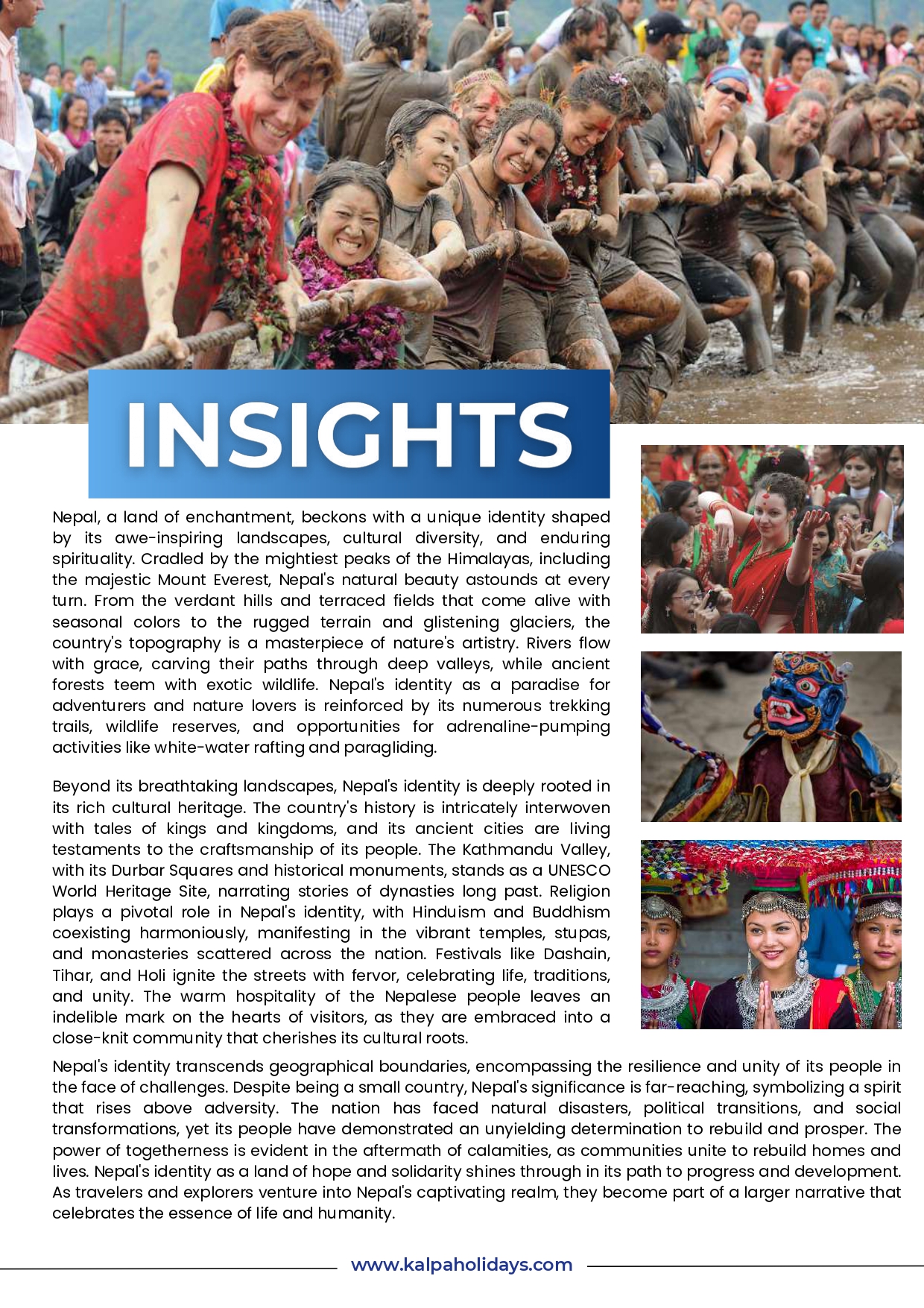
These are manifestation of cultural sensibility of any particular society at its beat. Nepal have more festivals then there are days in a year. Blessed to be one of the most diverse countries in the world, Nepalese keep their culture and traditions close to their heart so almost every day Nepal and Nepalese are participating in some sort of festivals and celebrations for one or the other community. It is impossible to mention all the festivals celebrated in Nepal. So, here are some grand festivals to explore in Nepal
Magh (or Makar) Sankranti
Marking a rare solar (rather than lunar) event in the Nepali calendar – the day the sun is farthest from the earth – the first day of Magh (Jan 14 or 15) is an occasion for ritual bathing at sacred river confluences, especially at Devghat and Sankhu. The day also begins a month-long period during which families do daily readings of the Swasthani, a compilation of Hindu myths, apply mustard oil over their bodies, and enjoy feast rice cooked with yams or tarul-a must-and til ko laddu, sweets made of sesame and jaggery (sugarcane paste).
Holi
Nepal’s version of the springtime water festival, common to many Asian countries. The rites of this festival celebrates the death of the demoness Holika. Holi is one of the lively festival. The people of Terai of Nepal celebrate Holi next day in Kathmandu. Locals put ‘Chir’, a bamboo pole, decorated with strips of colourful cloth representing good luck prosperity, indicating the onset of the Holi festival. Everyone, young or old, takes part in this day, people throw water bombs with brightly coloured payloads at each other, powdered paints are liberally showered over crowds, paint is smeared on faces and everyone has a fine time looking like smiling rainbows.
Shivaratri
‘Shivaratri’ means the ‘night of Lord Shiva’. The best place to witness the festival is at the Pashupatinath temple of Kathmandu, where thousands of Sadhus (Hindu holy men) smoke marijuana and hashish, considered dear to Lord Shiva. On this day tens of thousands of pilgrims and sadhus from all over the subcontinent gather for Nepal’s best-known mela to celebrate the festival. Children collect firewood money by holding pieces of string across the road to block passers-by, people in other towns and villages of the valley celebrate it with bonfires and vigils.
Lhosar
Lhosar meaning ‘New year’ is celebrated by Nepali ethnic groups who trace their history to Tibet, particularly the Gurung, Tamang and Sherpa people. It often coincides with the Chinese New Year, as it follows the lunar calendar. Each community celebrates the festival slightly differently at different times of the year, but there are usually large gatherings wearing cultural dress, feasting and celebrations and other cultural proceedings.
Ram Nawami
Ram Nawami, the birthday of Lord Ram is observed on the ninth day after the full moon at all temples dedicated to Vishnu in his incarnation as the hero of the Ramayana, one of the great Hindu epics. By far the biggest and most colourful celebrations take place in Janakpur, where thousands of pilgrims’ flock to the Ram temple.
Nepali New Year (Bisket Jatra)
Bisket Jatra is a major holiday in Nepal, and Bhaktapur becomes particularly lively during the celebration. The locals raise a huge pole resembling a holy lingam by the river, which the crowd pulls down to officially commence the new year. Men filled with youthful vigor and rice beer drag the chariots across the brick-paved streets of the town. Wherever the chariots stop, people light lamps, and devotees spill into the surrounding alleys. Other gods and goddesses are placed on palanquins and carried around so they can see the sights.
Machhendranath Rath Jatra
Nepal’s most spectacular festival: thousands gather to watch as the image of Machhendranath, the Kathmandu Valley’s rain-bringing deity, is pulled around the streets of Patan in a swaying, 18m-high chariot. It moves only on astrologically auspicious days, taking four weeks or more to complete its journey.
Buddha Jayanti
Buddha Jayanti is a special occasion for both Hindu and Buddhists. They celebrate this day as the day of the Buddha Siddartha’s birth, enlightenment and death. A particularly grand ceremony is held at Buddha’s birthplace in Lumbini, on the Terai. Places like Boudhanath, Swayambhunath, Lumbini, and Monkey Temple are decorated with prayer flags and butter lamps. Monks gather to offer prayers and chant Buddhist mantras.
Janai Purnima
The annual changing of the sacred thread (janai) worn by Hindu men occurs at holy bathing sites across the country. Families prepare wati, a traditional dish made from nine beans, in every Newari household. Mass observances happen at Gosainkunda, a holy lake in the mountains north of Kathmandu, and at Pashupatinath. The most prominent celebration takes place at Patan’s Kumbeshwar temple. There, priests tie strings and bestow tikas while jhankri (hill shamans) perform sacred dances. They also place richly decorated lingams, the phallic symbol of Lord Shiva. Another ceremony here is Byan–ja nakegu, where people offer rice to frogs in gratitude for good rain.
Gai jatra
On Gai Jatra, families who lost a member during the year lead a decorated cow. This cow is believed to guide departed souls to the god of death’s abode. To ease the sorrow of the grieving, locals join in rallies. Men wear women’s clothing and enjoy songs and mockery. They carry tall bamboo structures wrapped in cloth and topped with straw horns throughout Bhaktapur city. Participants perform the spectacular traditional Ghinta Ghisi dance and various other masked dances along the festival route.
Krishna Janmastahmi
Krishna Janmastami marks the birth of Krishna. Considered the eighth incarnation of Lord Vishnu, Krishna is the most important character in the Hindu epic, the Mahabharat. Devotees flock to the Krishna mandir in patan on the preceding day. There, men and women from far away gather around the 17th century temple and sit in vigil waiting for the midnight to fill the air, and small oil lamps are lit as a mark of felicitation and devotion to the deity.
Teej
The three-day “Women’s Festival”, sees groups of women clad in red singing and dancing through the streets. Letting their families fend for themselves for once, they start with a girls’ night out, feasting until midnight when they begin a day-long fast. On the second day they queue up to worship Shiva at the Pashupatinath temple outside of Kathmandu, and break the fast and ritually bathe to remove their sins on the final day.
Indra Jatra
A wild week of chariot processions and masked-dance performances in Kathmandu, especially celebrated by the newar community of the valley. Also known as Yenya festival, the Indra Jatra is primarily to pray for good harvest in the coming years. Indra Jatra is known for masked dances of demons, devils, and huge chariots with living gods and goddesses being driven throughout the streets by the locals.
Yartung
A swashbuckling fair held at Muktinath, in the Annapurna trekking region, centred around the full-moon day and featuring horse racing, dancing, drinking and gambling. The main attractions of this festival are archery contest, horse riding and not to forget, lots of drinking! Archery competitions are also organized along with merrymaking and drinking excessively. It will definitely be a fun festival to witness. Yartung is celebrated on the full moon day of August every year.
Basanta Panchami This one-day spring festival also known as Saraswati Puja, after the goddess of learning, and Shri Panchami, after the Buddhist saint Manjushri. School playgrounds are decorated with streamers and children have their books and pens blessed; high-caste boys may undergo a special rite of passage.
Dashain (Bijaya Dasami):
Dashain festival lasts for 15 days and is Nepal’s biggest Hindu celebration, typically in early October. It begins with Ghatsthapana. On the first day, people plant jamura (barley) in a kalash (sanctified vessel), honoring Goddess Durga. The seedlings will be worn in hair on the tenth day. The 8th, 9th, and 10th are the most significant and auspicious days.
Tihar
Tihar is Nepal’s second most important festival, after Dashain. This festival, also famous as the festival of lights, is associated with Yam, the god of death, and Laxmi, the goddess of wealth and fortune. On the first day, Nepalis set out food on leaf plates for crows, regarded as Yamraj’s messengers; on the second, they honour dogs as Yamraj’s gatekeepers, giving them tika, flower garlands and special foods; and on the third they garland cows both as the symbol of Lakshmi and as the soul’s guide to Yamarj’s underworld.
The festival’s most picturesque event, Lakshmi Puja, comes on the evening of the third day, when families throughout Nepal ring their homes with oil lamps, candles or electric lights to guide Lakshmi to their homes so she can bless them with prosperity for the year. Trusting in her, many Nepalis gamble on street corners, and student groups make the rounds singing “Diusire”, a form of musical fundraising. Firecrackers have also become a big part of the fun for kids. To Newars, the fourth day is known as Mha Puja (“Self-Worship”), an occasion for private rituals, and also their New Year’s Day, marked by banners, well-wishing and motorcycle parades in the Kathmandu Valley’s three main cities. On the fifth day, Bhaai Tika, sisters recall the myth of Jamuna by blessing their younger brothers and giving them flower garlands, tika and sweetmeats.
This festival takes place at Tengboche and Chiwong monasteries in the Everest region around the full moon in October or November. Colorful Sherpa masked dances dramatize Buddhism’s victory over the ancient Bon religion from eighth-century Tibet. The festival lasts about 19 days, with only the last three open to the public. It divides into creative and destructive parts. The creative segment coincides with the waxing moon and features events like constructing a colorful Sand Mandala. Monks create spiritual medicine called Mani Rilwu and make butter offerings (Torma). During this time, monks also recite prayers for the universe’s wellbeing. Chiwong Monastery and Thame Monastery host similar events in the region.
From the lowlands bordering India to the Himalayan heights bordering Tibet, Nepal boasts a complex mosaic of customs and beliefs that will baffle, fascinate and charm travellers. Nepal located between India and China is the meeting place of different religions, the diversity of its ethnic groups, its isolating geography and myriad languages have resulted in a complex pattern of culture and customs blending to form a national identity. Nepalese culture represents a fusion of Indo-Aryan and Tibeto-Mongolian influences, the result of a long history of migration, conquest, and trade. Nepal’s rich and diverse culture is reflected in its music, dance, art, literature, folklore and its language. A prominent factor in a Nepali’s everyday life is religion. Religions practiced in Nepal are: Hinduism, Buddhism, Islam, Christianity, Jainism, Sikhism, Bon, ancestor worship and animism.
Nepalese culture is one of a kind and is something to blend in and savour. The custom differs as there are several castes and ethnic communities guided by the underlying pattern of religions. Many different ethnic groups coexist in Nepal, each with their own complex customs. A few ethnic groups indulge in animal sacrifices in their religious procedures. In some societies, there are still practices of blind superstitions like shamanism. Some communities in Nepal have weird marriage traditions like getting married to a wood-apple and the sun, some have to marry their first-cousin, some their sister-in-law, and some people can even marry another man’s wife by paying a sum of money! It’s called Jari Vivaha.
Another unique tradition is celebrating the birthdays of old people when they turn specific ages – 77, 1000 months, 88, 99 and 110 years. This one is called Janku. Nepalese do not eat beef, one reason being that the Hindus worship cows however Nepalese consider cow dung to be pure for cleansing purposes. Another interesting concept among Nepalese is division of pure and impure. Jutho referring to food or material touched by another’s mouth directly or indirectly, is considered impure by Nepalese. Nepal is a patriarchal society; usually men go out to work while women are homemakers. However, in cities, it is eradicating. In most ethnic groups, joint and extended families live in the same house and in some smaller villages extended families make up the entire community.
Kathmandu Valley, where they mix the most, there’s a high degree of tolerance of different clothes and lifestyles – a fact that travellers sense, and often abuse. Away from the tourist areas, however, ethnic groups are quite parochial, and foreign ways may cause offence. Rural Nepal is mostly agrarian, while some aspects of urban life carry the glitz and glamour of the ultra-modern world.
Superstition is a part of Nepalese life. Never say a young baby healthy and or fat – they don’t like that, they think the baby will get sick afterwards. Never keep your shoes or sandals upside down – it brings bad luck around. Spilling rice on the floor (specially cooked rice) and walking on it is an insult to the Hindu Goddess of Food. It is common to pray before traveling specially on a long journey, so you will see bus drivers with photos of Hindu goddess, incense and bells and doing prayers before beginning the first drive of the day. Its common to see hanging of red dried Chillies in places like homes, restaurants and even in buses – it’s done to protect the place from bad spirits
Shopping in Nepal is a popular activity to buy traditional clothing and thangkas. There are a lot of places for shopping in Nepal. Kathmandu is fast becoming a shopping paradise with new malls opening up every now and then with an assortment of products ranging from branded cloth wear to household items. However, some of the popular places for shopping in Kathmandu are Thamel, Durbar marg, places around Durbar Squares, New road, Bhotahity, etc. Also, Shopping in Pokhara is equally important to get souvenirs and handicrafts. The Nepali handmade products are available in the major tourist destinations of Nepal.
Nepal has huge cabin industries having clothing materials, wood crafts, metal works, and jewelry. Secondary items include sculptures, tea, incense, spices, dolls, puppets, and trekking clothing. Artistic works of silver stone and metal, and gold trinkets, and incredible wood carvings are easily available. The famous Gurkha knife or Khukuri, pashmina, carpets, jewelry, masks, prayer wheels, stone carvings, singing bowls Thangkas and pauls, etc. Many materials found in Nepal carry religious significance. Though you need to have some bargaining skills in some shops cause almost no price tags, people are very hospitable and can assist you to get the goods of your choice.
You can get very good souvenirs from Nepal for the memories and to gift the near ones. Top 10 picks for shopping in Nepal are here and you can get these things in the Thamel area of Kathmandu valley and lakeside of Pokhara.
If you are bad at bargaining, online shopping portals can be a good choice. From home appliances to groceries, you can get many products online. Some of the popular online shopping portals in Nepal are Daraz, Sastodeal, Choicemandu, Giftmandu, Foodmandu, etc. However, you need to be picky and have a good sense of buying to get rid of expensive items online. Also, Malls are good places to buy products if you just don’t like to bargain in local shops. You can get varieties of products in one place in some malls and supermarkets. Some of the chain marts in Nepal are Big Mart, Bhatbhateni, CTC mall, Kathmandu Mall, Civil Mall, Chhaya Center, Labim Mall, Baneshwar Mall, etc. are popular for shopping in Kathmandu.
From wild drinking nights and intense gambling sprees at casinos to non-stop dancing and engaging conversations at pubs, Nepal offers one of the most vibrant nightlife experiences. The country boasts some of the world’s best nightclubs, each hosting unique themed parties, while local streets come alive with performances by talented artists. Many venues enjoy relaxed noise regulations, allowing parties and club dances to continue late into the night. In Kathmandu, Thamel, Jhamel, and Durbarmarg are among the best areas to explore, while Pokhara serves as a central hub for nightlife. Additionally, the nightlife in Kathmandu features late-night dining carnivals, where you can savor the finest food in the bustling tourist town of Thamel.
Nepal has modern banking facilities and some international banks even have offices in Kathmandu. Banks are open from 10am to 3pm from Sunday to Thursday and until noon on Friday and licensed money changers are open 12 hours per day.
The main ways to obtain Nepal currency are atm’s, money exchangers, cash advance credit cards and wire services. Almost all foreign currencies along with credit cards such as American Express, Visa, and Mastercard are accepted in Nepal. ATMs are available throughout Nepal, however only Kathmandu, Pokhara and major hub areas have regular working machines that accept international cards and it is not possible to withdraw cash on the mountains and various trekking trails.
There are exchange counters at the international terminal at Kathmandu’s Tribhuvan Airport and banks and/or money changers at the various border crossings. Pokhara and the major border towns also have official money-changing facilities, but changing travellers cheques can be time consuming elsewhere in the country, even in some quite large towns. Similarly, It can take upto 5 working days for a bank transfer in Nepal. If someone wants to transfer money from Nepal to any other foreign countries, more than US$500 needs authorization from the Central Bank of Nepal. You need to furnish proper documents and good cause for the same however there are no restrictions to transfer money to Nepal. In general, it’s easiest to send money through companies such as Western Union or Moneygram, which can arrange transfers within minutes.
Nepal is not rich in mineral resources but it has abundant surface and groundwater. Forest covers about 38 percent of the land area. The high pressure on agricultural land has led to considerable deforestation and soil loss. Also with the advancement of technology, the environment has degraded more in cities. Air and water pollution are significant environmental problems not only in Nepal but the overall world. Due to pollution, one may face problems like headache, fever, cough, cold, typhoid, etc. Besides, mosquitoes are abundant during the summer season in hot places of the Terai. As a result, diseases like malaria may occur although all these problems have cure. Cities are well equipped with hospitals and precautions are to be taken by the travellers too.
About 60% of the Nepali roads are hard-surface roads wherever you travel, the route will probably be new in parts, disintegrated in places, and under construction in others.
To the northeast, the Arniko Highway follows the old Kathmandu–Lhasa trade route through broad valleys and misty gorges to the Tibet border; northwestwards, the Trisuli road snakes its way down into a subtropical valley nearly 1000m lower than Kathmandu; while west and then south, the Tribhuwan Rajpath, Nepal’s first highway, takes a wildly tortuous route on its way to the Terai. The scenery in this area is a shade less dramatic than you’ll encounter further west, but the land is nonetheless varied, rugged and only partially tamed by defiant terraces.
Nepal’s highways are irregularly maintained, and each monsoon takes a toll on surfaces. The country has a truly appalling road safety record, and accidents are common. Getting around is one of the biggest challenges of travelling in Nepal. Distances aren’t great, but the roads are poor and extremely slow. Traffic jams during office times are common. If the vehicles are driven carefully, road travel is free of risk.
Water in Nepal is pure and less contaminated even though we recommend you to buy and drink mineral water, use purification tablets, or boiling water. If you are boiling water, make sure you boil it longer at altitude, as the time to boil properly is greater than at sea level.
Loadshedding ended in 2019, however during weather condition and rain there are high chances of power cuts. Voltage fluctuation is very common, however hotels and businesses cover their electrical needs via fuel cells and generators. In Nepal the standard voltage is 230 V and the frequency is 50 Hz and Nepal uses power outlets and plugs of types C, D & M. If the standard voltage in your country is in the range of 100 V – 127 V (as is in the US, Canada and most South American countries), you need a voltage converter in Nepal. You can find any of the transformers, plug adopter and converters to buy in Kathmandu and other major cities easily. We recommend you check your appliances before embarking on your journey, to understand the requirements in Nepal.
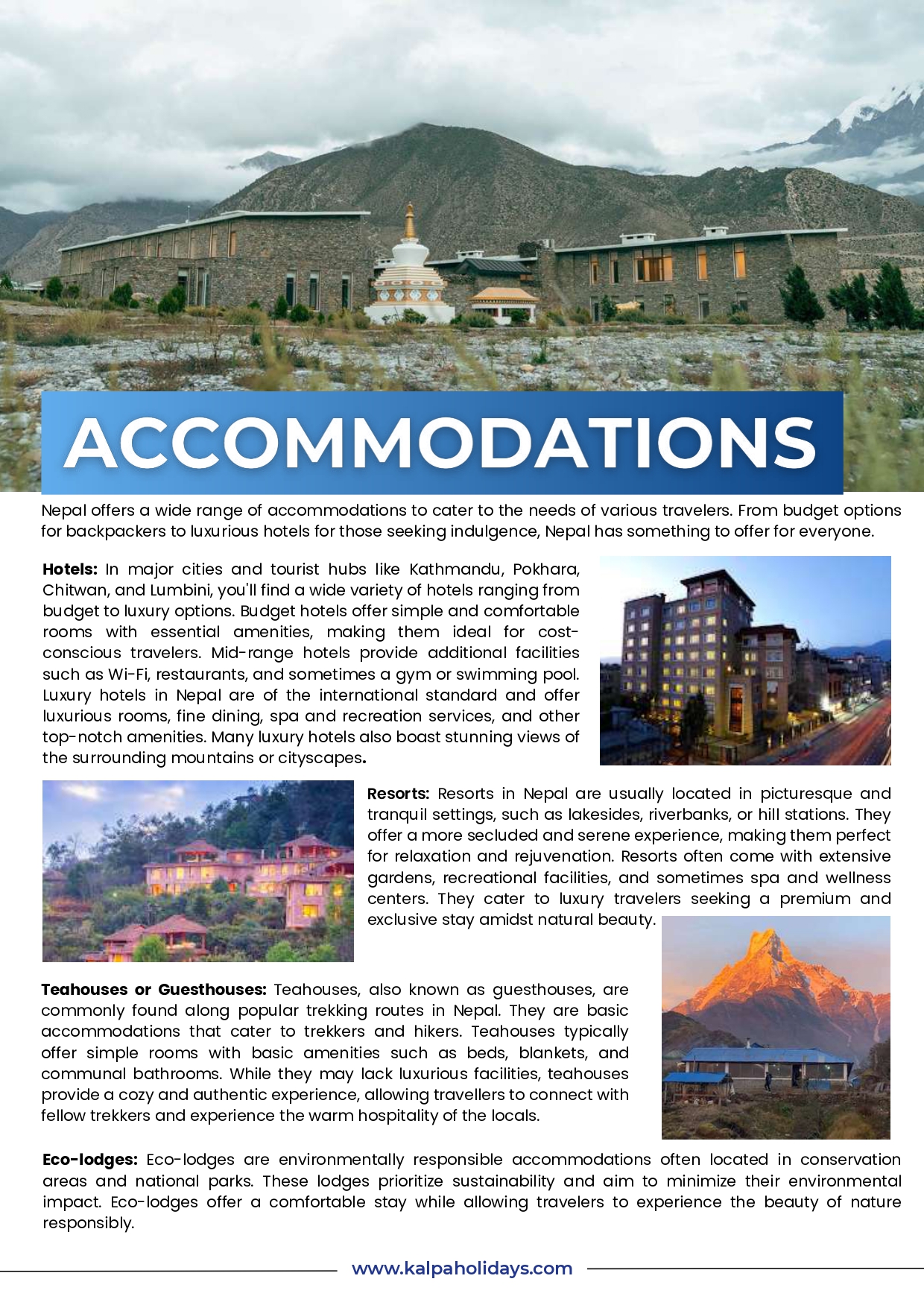
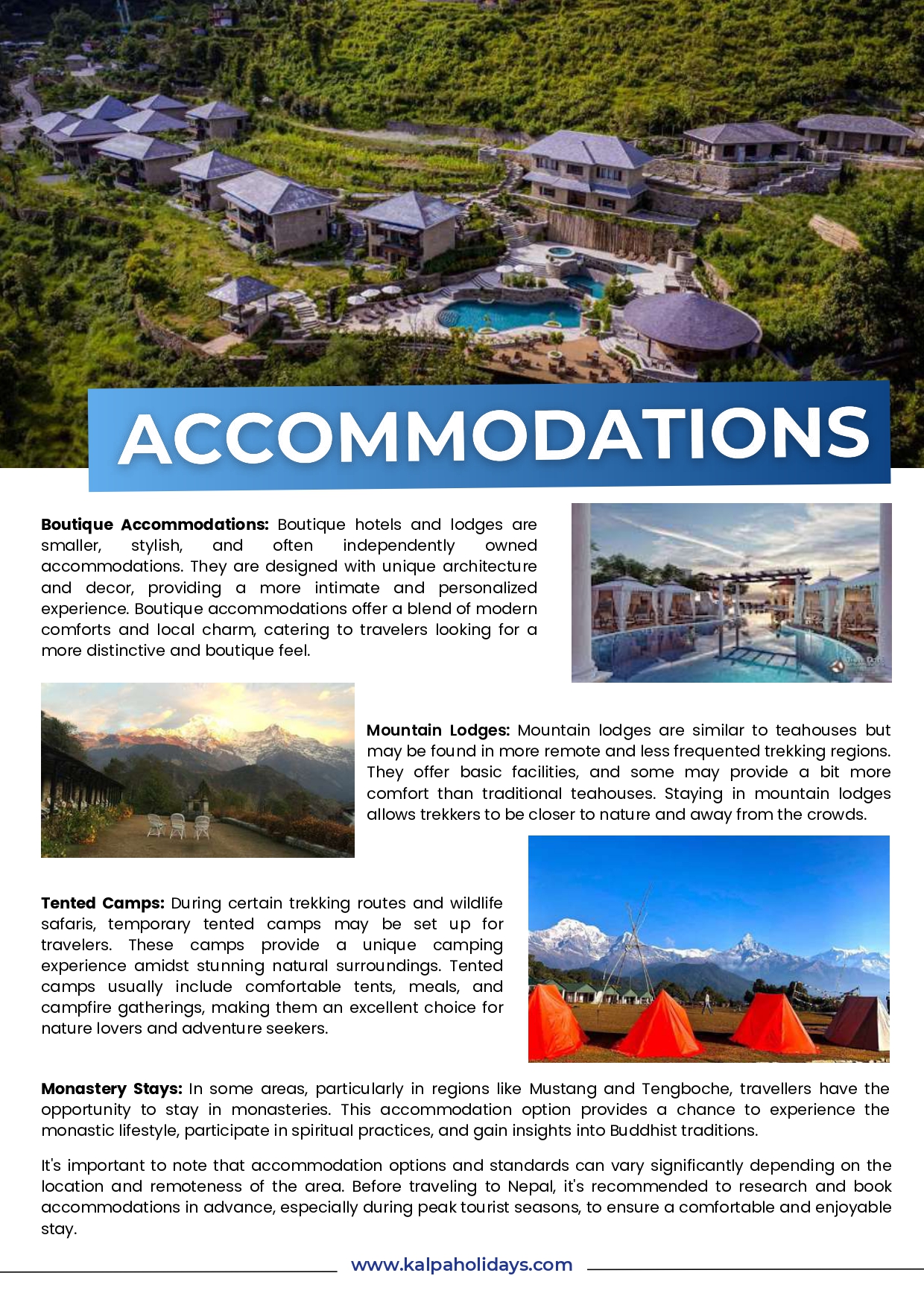
Hotels, from non-star lodges to five star hotels, from guest houses to resorts, all are options for accommodation in Nepal. In the main tourist areas of Kathmandu, Pokhara and Chitwan, you’ll find an ever-expanding range of options. It’s hard to generalize about the more expensive hotels and resorts. Some charge a hefty premium to insulate you from the Nepal you came to see, while others offer unique experiences. Meanwhile, guest houses, tea houses, camps, volunteer houses and also local houses are options while you’re on trek. Trekking trails are dotted with simple tea houses that offer a welcoming smile and a warming cup of tea at the end of a hard day’s hike. Teahouse facilities are basic: hot water, electricity, and clean toilets are never a guarantee and You’ll be expected to eat your meals at the teahouse’s own restaurant, though there are some remarkably comfortable ones out there too.
Guesthouse in Nepal can mean anything from a small, family-run lodge, to a generic budget hotel. Most places have a range of rooms, from budget, shared-bathroom boxes to en suites with a/c and TVs.
Lastly but not the least, homestay/ village stay offer a unique opportunity for comfortable cultural immersion, and could become a good way to disperse visitors and spread the economic benefits of tourism into rural areas.
The motorways in Nepal mostly feature gravel and are poorly maintained in the highlands. Public transport is common and reliable. Local Nepali drivers operating buses on these roads are usually experts, making it safe to explore Nepal by public transport. However, public buses can be crowded and uncomfortable. These buses often take many hours to reach their destinations, as they stop to pick up more passengers along the way. Long-distance buses follow a set schedule and typically start early in the morning, with tickets sold at bus stations.
Public jeeps are also common in Nepal’s mountain regions. A drive can last as long as 17 hours, such as the trip from Kathmandu to Salleri, and these jeeps can be nearly as crowded as local buses.
Tourist buses operate on main routes and are usually in good condition, offering a safer ride than regular buses. These buses do not take more passengers than seats, making the journey more comfortable and quicker.
You can also hire a motorcycle or charter a taxi, car, or 4WD vehicle. Taxis, private vans, and jeeps are available any time of day and can take you anywhere in Nepal, with prices often negotiable. Taxis are available at night, but fares are slightly higher. Rental cars always come with a driver in Nepal. If you want to hire a private jeep for your trek, you can easily arrange this through your hotel or a tourist agency.
Driving a private vehicle offers the flexibility to stop anywhere and explore less-visited areas of Nepal. With road extensions, you can now drive to many Himalayan destinations that were once only accessible to hardcore trekkers.
Telecommunication has been rapidly developing in Nepal. Both landline and mobile telephone services are available in our country and the network coverage includes most parts of Nepal. Nepal Telecom and Ncell are the major telephone service providers, and their data plans are also pretty feasible and reasonable. Easy internet availability in the major cities, and surprisingly in certain aspects of remote treks as well. There is even fast internet service at the summit of Mount Everest (8848m) but in some mid hills and valley gorge, the cell / sat phone can be weak or nil due to blockage of hills and mountains. Countless Internet cafes and communication centers in the Valley and around the country. Wi-fi services are also provided at various hotels and restaurants.
For calling from outside, the country code for Nepal is 977 and the area code for Kathmandu is 1. There are many Cell companies, where one can buy a SIM card at a reasonable cost after showing your ID and passports.
All travelers are permitted to carry 200 cigarettes, 20 cigars, whisky/wine not exceeding 1.15 liters or beer up to 12 cans, medicines for personal use up to a value of NPR 10,000, 50 grams of gold ornaments and 100 grams of silver ornaments. Other exemptions include personal effects such as binoculars, cameras, film stock, record player, tape recorder, transistor, and radio. It is illegal to export antiques; objects like metal statues, sacred images, paintings, and manuscripts. Cats and dogs must be accompanied by a veterinarian health and rabies certificate but not all the airlines offer shipment of animals in the cabin or as checked baggage.
Nepal has a wide range of climates so carrying both light and warm clothes in casual and comfortable styles is appropriate. In the mountain areas, warm woolen clothing is necessary while at lower altitude cotton clothing is ideal. You will need a good windproof, waterproof jacket and proper shoes for trekking.
Nepal is a very popular destination for the elephant pant-wearing and backpack-bearing traveling crowd. You’ll be able to create your own collection of elephant pants, Om symbol shirts, and cultural clothing at the many shops.
Safety standards in Nepal are not always the equal of what you might be used to in your home country. Stomach issues that often bother travelers in this part of the world can cause dehydration. Rehydration treatment sachets may count as the most important part of your first aid kit when trekking in a place like Nepal. Another issues to prepare for is malaria. If you travel during winter time, malaria pills are not necessary, even if you go to the national parks like Chitwan. Finally, bring some mosquito repellant, especially if you travel south toward Terrai. Wear a mask (if possible) when walking in the dusty and polluted streets, especially during the summer season in Nepal. Many private clinics and hospitals are open during the day. Drug stores near the hospital regions are open 24 hours (Bir Hospital, Teaching Hospital, Patan Hospital, etc).
A travel insurance policy that covers medical treatment and Please have a handy medical first aid kit ready for any situation is recommended for all tourists.
Both domestic and foreign nationals exiting Nepal from Tribhuvan International Airport must go through immigration checks. Travelers should present valid travel documents (passport) and properly filled embarkation cards to an immigration officer.
All travelers can carry 200 cigarettes, 20 cigars, whisky or wine not exceeding 1.15 liters, or up to 12 cans of beer. They can also bring medicines for personal use valued up to NPR 10,000, along with 50 grams of gold ornaments and 100 grams of silver ornaments. Other exemptions include personal items like binoculars, cameras, film stock, record players, tape recorders, transistors, and radios. It is illegal to export antiques, including metal statues, sacred images, paintings, and manuscripts.
Cats and dogs must be accompanied by a veterinarian health and rabies certificate but not all the airlines offer shipment of animals in the cabin or as checked baggage.
Nepal makes things easy for foreign travellers. Visas are available on arrival at the international airport in Kathmandu and at all land border crossings that are open to foreigners, as long as you have a valid passport, photos on hand and can pay the visa fee in foreign currency. Both domestic and foreign nationals should go through immigration checks after arriving at Tribhuvan International Airport, the only international airport in Nepal.
A visa is required to enter Nepal, granted at the Nepalese embassies or consulates abroad. You may also be granted an on-arrival tourist visa at Tribhuwan International Airport or at the immigration office of any entry/exit point. Nationals of these countries must apply for the visa in advance through Nepalese consulates abroad- Nigeria, Ghana, Zimbabwe, Swaziland, Cameroon, Somalia, Liberia, Ethiopia, Iraq, Palestine and Afghanistan.
In Nepal there are only 8 government approved entry points. These inlets can also be used for getting out of Nepal. There is absolutely no problem if you plan your entry and exit from the separate points and fill up the prescribed forms. Following are the government approved entry/exit points of Nepal.
Deviation from these points at the time of entry or exit shall be treated as the violation of immigration rules.
Few countries permit such limitless and free exploration as Nepal hence travel insurance isa must for undertaking any tour. It is also an excellent idea to cover theft, loss and medical problems. In Nepal, most medical treatment must be paid for at the point of delivery. If your insurance company does not provide upfront payment, be sure to obtain receipts so you can reclaim later. Chosen insurance should provide adequate protection for the full duration of the tour to cover personal injury, death, medical expenses, repatriation expenses, helicopter rescue, air ambulance and adequate cover for baggage.
The Annapurna Base Camp (ABC) Trek is one of Nepal’s most iconic trekking routes. It draws thousands of adventure enthusiasts each year due to its breathtaking landscapes, cultural richness, and the thrill of reaching Annapurna Base Camp at 4,130 meters (13,549 feet). While the trek offers extraordinary beauty, it also presents challenges, particularly in terms of altitude, terrain, and weather conditions. As one of the most popular trekking routes in Nepal, understanding the difficulty of the ABC trek is essential for effective preparation, realistic expectations, and a successful trekking experience.
At Kalpa Holidays, we understand that adventure and comfort must go hand in hand, which is why we offer luxury trekking options and personalized itineraries designed to make the ABC trek enjoyable while ensuring safety and preparedness.
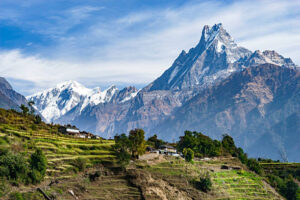
Nepal’s Annapurna Conservation Area is not just a trekker’s paradise but a protected region boasting rich biodiversity, towering peaks, and warm hospitality from local communities. The Annapurna region is home to Annapurna I, the 10th highest peak in the world, along with Machapuchare, Dhaulagiri, and other iconic Himalayan ranges. Trekkers pass through diverse landscapes, from lush rhododendron forests to terraced fields, before reaching the base camp, which offers stunning views of the Annapurna Massif.
According to Nepal Tourism Statistics 2023, the region saw an increase of 150% in trekkers in 2023, with 154,262 trekkers visiting the Annapurna area. This significant growth highlights the global appeal of the Annapurna Base Camp Trek.
One of the most critical factors determining the difficulty of the ABC trek is altitude. The trek begins at relatively lower elevations, such as Nayapul (1,070 meters), but rises steeply to 4,130 meters at the base camp. The high altitude means there is less oxygen, which can lead to Altitude Sickness or Acute Mountain Sickness (AMS). Proper acclimatization is crucial to minimize the risks.
In 2023, trekking and mountaineering were among the top reasons tourists visited Nepal, with 154,262 opting for trekking in the Annapurna Conservation Area. The Nepal Tourism Statistics emphasize the need for responsible tourism and acclimatization to ensure safe trekking experiences in these high-altitude areas.
Tips for Acclimatization:
The Annapurna Base Camp Trek spans approximately 110 kilometers (68 miles), with trekkers covering 10-15 kilometers per day (6-9 miles), which typically requires 6-8 hours of walking each day. The terrain varies widely, from stone staircases and rocky trails to uneven paths and narrow ridges. The trek is known for its steep ascents and descents, particularly around Ulleri, which has over 3,300 stone steps leading to Ghorepani.
While the trails are generally well-marked, the sheer length of daily trekking combined with the altitude can make the distance feel significantly more challenging. The Nepal Tourism Statistics 2023 report that trekking in the Annapurna Region saw a significant rise in popularity, accounting for 154,262 trekkers in 2023 alone. This surge in numbers highlights the need for careful preparation and physical readiness to navigate the demanding terrain.
At Kalpa Holidays, we recommend trekking with experienced local guides who can assist with pace, navigation, and ensuring a safe and enjoyable experience.
The ABC trek, while not as demanding as the Everest Base Camp Trek, still requires a high level of physical fitness. The trek involves continuous hiking at high altitudes, and the variable terrain can be physically taxing. Trekking through steep ascents and descents requires strong leg muscles, endurance, and stamina.
Before embarking on the ABC trek, it is essential to prepare your body for the rigors of trekking. We recommend beginning a training program at least 3-4 months in advance, focusing on:
The Nepal Tourism Statistics 2023 note that the Annapurna region attracts trekkers of all ages, particularly those in the 31-45 age group, which accounted for 31% of the total trekkers. Preparing physically will allow you to fully enjoy the stunning scenery and rich culture along the way without being overwhelmed by fatigue or injury.
Weather is a critical factor in determining the difficulty of the Annapurna Base Camp Trek. The best trekking seasons are spring (March-May) and autumn (September-November), when the weather is more stable, visibility is clear, and temperatures are moderate. These months see the highest number of visitors, with Nepal Tourism Statistics reporting peak arrivals in October.
However, even in favorable months, the weather can be unpredictable at higher altitudes. Cold temperatures, rain showers, and even snow can make trekking difficult. In addition, the temperature at Annapurna Base Camp can drop significantly at night, even during the warmer months.
To manage these conditions, trekkers should:
For those trekking during winter, the Annapurna region sees fewer trekkers but faces more extreme weather, including snow-covered trails and lower temperatures. In 2023, trekking activity in Annapurna dropped significantly during the off-peak months due to harsher weather conditions.
Altitude sickness is a real challenge for trekkers reaching altitudes above 3,000 meters. The Annapurna Base Camp Trek involves a rapid ascent to 4,130 meters, which can trigger symptoms of AMS, including headaches, nausea, dizziness, and fatigue. Trekkers should always monitor themselves and their companions for signs of AMS.
Tips for Managing Altitude Sickness:
In 2023, there were reports of altitude-related evacuations from the Annapurna region, highlighting the importance of acclimatization. At Kalpa Holidays, we ensure that all our clients are fully briefed on the risks of AMS and the best practices for acclimatization before embarking on the trek.
While the Annapurna Base Camp Trek is generally considered more affordable than some other treks in Nepal, such as Everest Base Camp, costs can increase significantly at higher altitudes. Food, accommodation, and bottled water become more expensive as they need to be transported by mules or porters in the absence of motorable roads.
The Nepal Tourism Statistics 2023 note that the average daily expenditure per tourist in Nepal increased to $41 per day, which includes meals, accommodations, and other expenses. In the Annapurna region, trekkers should budget for higher prices, particularly in the higher altitude tea houses, where a simple meal could cost three times as much as in lower regions.
For a more comfortable experience, Kalpa Holidays offers luxury trekking packages that include higher-end accommodations, private guides, and personalized services to ensure you trek in comfort.
With the growing number of trekkers in the Annapurna region, there has been increased emphasis on sustainable tourism and eco-friendly practices. The Annapurna Conservation Area Project (ACAP) manages conservation efforts in the region, ensuring that tourism growth does not damage the fragile environment.
Sustainability Tips for Trekkers:
According to Nepal Tourism Statistics 2023, the Annapurna Conservation Area continues to attract trekkers who are increasingly aware of the importance of sustainable tourism. At Kalpa Holidays, we actively promote eco-friendly trekking options and ensure our itineraries align with the principles of responsible tourism.
The Annapurna Base Camp Trek offers a once-in-a-lifetime opportunity to explore one of the world’s most breathtaking trekking regions. While it presents certain physical and logistical challenges, the rewards far outweigh the difficulties. With proper preparation, acclimatization, and guidance, trekkers of all levels can successfully complete this iconic trek.
Whether you’re a seasoned trekker or a first-time adventurer, Kalpa Holidays provides customized itineraries that ensure your ABC trek is not only safe and comfortable but also filled with unforgettable memories. As the Annapurna region continues to grow in popularity, now is the perfect time to embark on this remarkable journey.
Let Kalpa Holidays guide you to new heights and make your Annapurna Base Camp trek an experience of a lifetime!